


Performance standards to ease trade

06 Jan 2025
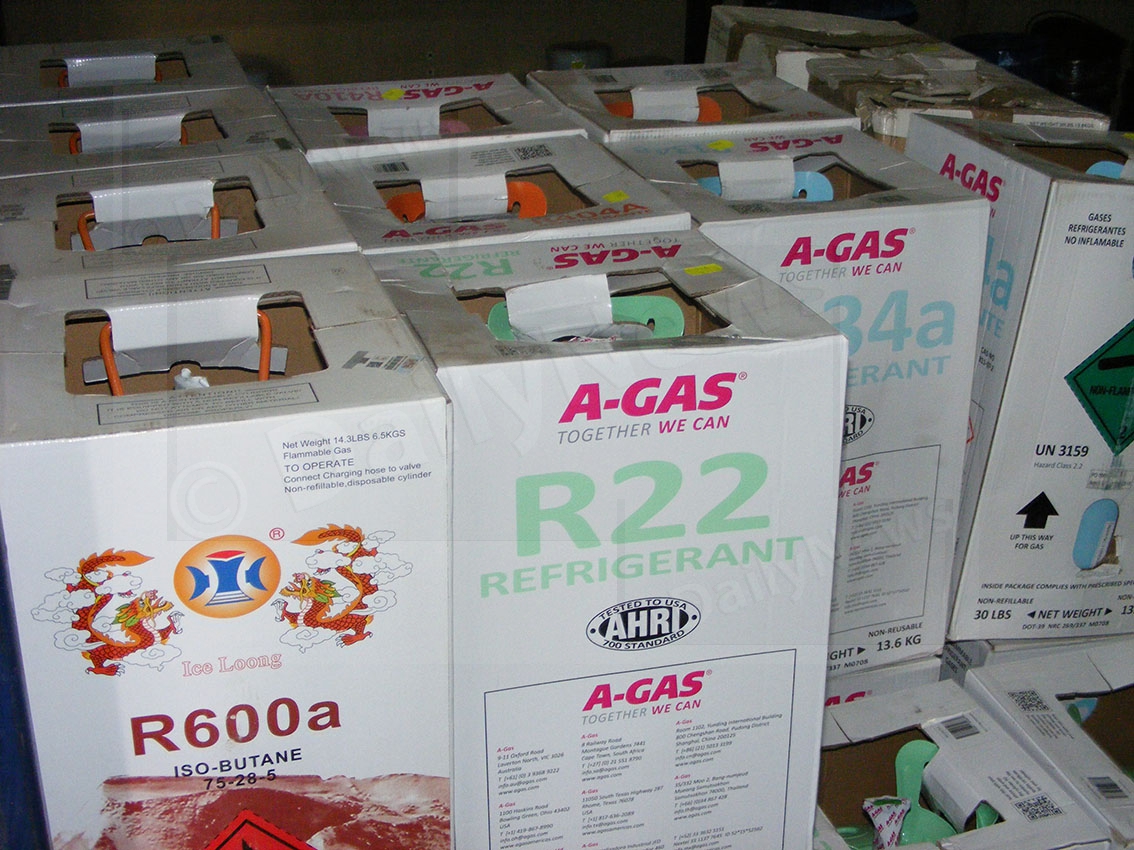
The hum of a refrigerator, a constant companion in modern life, often goes unnoticed.
But behind that quiet hum lies a story of energy consumption, environmental impact, and surprisingly, regional integration.
In the SADC bloc, a small but significant development is unfolding, the harmonisation of Minimum Energy Performance Standards (MEPS) for refrigerators and air conditioners.
In Botswana, the project is spearheaded by the Department of Energy under the Ministry of Minerals and Energy with the objective to develop harmonised energy performance standards for refrigerators and air conditioners, that will match with other countries across the SADC region.
Other countries in the regional bloc are also beginning to domesticate the initiative and most of the countries, including Botswana, have set themselves to have achieved this goal by 2030.
On the other side, developed countries have long harmonised their standards.
This ambitious project involves the United Nations Industrial Development Organisation (UNIDO) as the implementer, bringing its expertise in industrial development and standards to be adhered to. The Swedish government, and the generous financier, provide resources to propel the initiative.
The SADC Centre for Renewable Energy and Efficiency (SACREE) and the coordinator, had been tasked with ensuring a smooth flow of information and collaboration among the diverse SADC member nations.
The initiative, a collaborative effort between governments, international organisations, and the private sector, promises to unlock significant benefits for regional trade and sustainable development.
Hopefully, the energy performance standards will serve as relief to some business owners among them, Francistown based, Mr Baven Balendra, a distributor of refrigerators and air conditioners. Mr Balendra has been struggling to get his products to the wider SADC due to different energy efficiency standards in each country.
This meant that energy-efficient units had to undergo costly and time-consuming modifications to meet each country’s specific regulations, translating to higher costs, longer lead times, and fewer customers outside Botswana.
His business, Tri Holdings, feel hemmed in by a patchwork of national rules. This scenario is mirrored across the SADC region. From medium-sized businesses like Mr Balendra’s to large distributors or manufacturers, the lack of harmonised energy standards acted as a significant trade barrier.
The problem is not just about paperwork, it is about the potential for growth for the region.
As such, the collaboration which centres around energy performance standards aims to address such challenges where different national standards for appliances meant a fragmented market, with manufacturers facing a complex web of regulations when selling across borders.
“This is fantastic news! The harmonised energy performance standards are a game-changer for us. Imagine, no more navigating a maze of conflicting standards, country by country!
We can now efficiently reach the entire SADC market, making our energy-efficient products available to a much wider customer base,” said Mr Balendra.
He explained that the harmonised energy performance standards meant less time and money spent on adaptations. This, he said, meant a wider customer base, more opportunities, and a chance for expansion.
Additionally, he said, the energy performance standards would help in eliminating the patchwork of individual country regulations across the SADC region, and open up unprecedented market access.
“I am thrilled that my products, previously hindered by differing standards, will now penetrate the entire market, boosting our growth and contributing to the region’s energy efficiency goals,” he added.
UNPE consultant, Mr Mosimanegape Mhaladi, underscored the benefit of these harmonised MEPS, adding that they signified a significant step toward a more unified and energy-efficient SADC.
“The removal of trade barriers is a boon for consumers and businesses alike, stimulating competition and driving innovation. Getting our solar water heaters into other SADC countries currently require extensive and costly modifications to meet their specific standards but through energy performance standards, we can scale our production and reach millions more customers,” he said.
Refrigerators and air conditioners, he explained, had been spending huge sums of money adapting their products for each country’s unique standards and this limited their expansion and competitiveness.
“Very soon, they will focus on what matters most, delivering high-quality, energy-efficient products to a unified market,” he said.
He said smaller competitors struggled to meet the diverse standards, resulting in a fragmented and less competitive market.
“But the harmonised energy performance standards will create a level playing field, encouraging innovation and healthy competition across SADC, countries,” said Mr Mhaladi.
He explained that the success of harmonised energy performance standards underscored the crucial role of regional cooperation in addressing shared challenges.
“By working together, SADC member states can overcome trade barriers, foster economic growth, and improve the quality of life for their citizens. The project acts as a microcosm of the broader goal of SADC regional integration; building a more prosperous, sustainable, and integrated Southern Africa,” he added.
Mr Mhaladi further indicated that harmonisation of energy performance standards for refrigerators and air conditioners was not just about appliances, but building demonstration to the power of regional cooperation.
He disclosed that the impact of these harmonised energy performance standards extended beyond simply reducing energy consumption, adding that for participating SADC countries like Botswana, the benefits were manifold.
And in future, Mr Balendra would be able to offer his units in neighbouring countries, with no need for major modifications and the dream is that products like Mr Balendra’s would be able to travel freely within SADC without facing unnecessary hurdles. Ends
Source : BOPA
Author : Thamani Shabani
Location : Francistown
Event : Interview
Date : 06 Jan 2025
Related News


13 Oct 2026
Expo sparks regional leather expansion
12 Oct 2026
Partnership to boost vehicles maintenance
12 Oct 2026
Farmers urged to treat agriculture as a business

12 Oct 2026