


Antimicrobial resistance humanity threat
24 Nov 2024
Assistant Minister of Lands and Agriculture, Dr Edwin Dikoloti, says antimicrobial resistance (AMR) is the greatest existential threat to humanity after climate change.
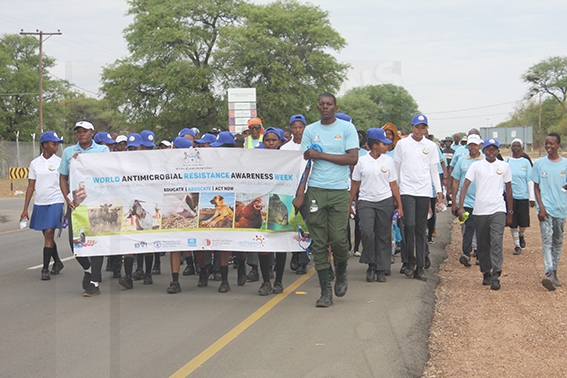
Delivering a statement on Friday to mark the World Antimicrobial Awareness Week (November 18-24), Dr Dikoloti said the world was running out of treatment options as pathogens develop resistance to virtually all antimicrobials.
Dr Dikoloti said AMR happens when infections in humans and animals were no longer sensitive to antibiotics because microbial pathogens evolve and develop mechanisms to evade actions of antimicrobials.
“This is a direct result of overuse and abuse of antimicrobials in human health, agriculture and food sectors,” he said.
In agriculture, Dr Dikoloti said a major driver of antimicrobial resistance was the irresponsible use of antibiotics as growth promoters in animal nutrition.
“Another major driver is the blanket use of antibiotics to prevent infections instead of implementing good animal husbandry practices including hygiene and vaccination of poultry and livestock,” he said.
He said this invariably result in the spread of antimicrobial resistance in the environment through contamination of the soil and water.
He added that storm water and irrigation water from farm land could contaminate nearby bodies of water with antibiotic or antifungal residues and antibiotic resistant organisms.
He said the pathogens resistance to antimicrobials was at a much faster rate surpassing the pace at which new antimicrobials were developed or becoming available to healthcare systems.
Dr Dikoloti said developing countries such as Botswana were particularly vulnerable to the debilitating effects of antimicrobial resistance because the healthcare system was under-developed.
He said the healthcare system was strained by the situation as it was already under severe strain due to the high prevalence of infectious diseases and increasing non-communicable diseases that needed antimicrobials to manage.
“Developing countries also face food insecurity, which will only worsen as antimicrobial resistance undermines production and productivity,” said Dr Dikoloti.
He said it was important for people and governments in developing countries to take antimicrobial resistance seriously.
“It therefore goes without saying that AMR and other health risks associated with the environment, land, water and agriculture cannot be addressed in isolation, but rather they must be addressed holistically in the “One Health” approach,” he said.
Dr Dikoloti said government would continue to promote responsible and prudent use of antimicrobials such as antibiotics, antivirals and antifungals both in agriculture, food, environment and the health sectors.
He said use of antibiotic growth promoters to fatten animals was not permitted in Botswana. “Alternative feed additives are encouraged,” he added.
“This is achieved through strict licensing and control of feed and feed additives.”
Dr Dikoloti said certain antimicrobials were reserved for use in human medicine and have been removed from the list of medicines approved for use in animals.
He said climate change/climate variability was a reality that could no longer be ignored.
In addition to causing emergence of new diseases and existing ones to re-emerge, Dr Dikoloti said climate change can also affect the spread and intensity of diseases which in turn result in increased use and misuse of antimicrobials, hence antimicrobial resistance.
He added that farmers should play a leading role in producing sustainably in order to preserve antibiotics and prevent AMR.
“A good place to start is putting in place simple but practical health plans for livestock,” he said.
He pointed out that farmers’ health plans should include routine vaccination against common diseases affecting livestock and poultry as it prevents unnecessary use of antibiotics.
“It saves the farmer the cost of treatment. But it also promotes good health, production and hence profitability of livestock farming business,” he said.
Dr Dikoloti said good animal husbandry practices were also crucial for preventing infections and reducing dependency on antibiotics.
“This is particularly important for poultry and young animals such as calves, kids, and lambs,” he said.
Dr Dikoloti said farmers should also be encouraged to control parasites such as ticks and worms to prevent livestock diseases, by so doing promoting productivity and profitability of their enterprises, and also reduce dependency on antibiotics to treat secondary diseases that should have been prevented.
Dr Dikoloti appealed to the nation to live and eat healthy to prevent both communicable and non-communicable diseases and ultimately antimicrobial resistance. Ends
Source : BOPA
Author : Moshe Galeragwe
Location : Gaborone
Event : World Antimicrobial Awareness Week
Date : 24 Nov 2024
Related News


13 Oct 2026
Expo sparks regional leather expansion


12 Oct 2026
Partnership to boost vehicles maintenance
12 Oct 2026
Farmers urged to treat agriculture as a business

12 Oct 2026