


Fashion designer pursues ISO Certification in textile sector
14 Nov 2024
The pursuit of ISO certification is gaining traction among fashion designers, a trend that underscores growing importance of international standards in the textile industry.
In Africa, particularly Botswana, the journey toward achieving robust ISO certification standards in the textile sector remains a work in progress. Many local fashion businesses are yet to realize full benefits of ISO certification, which can significantly enhance the quality and competitiveness of their products.
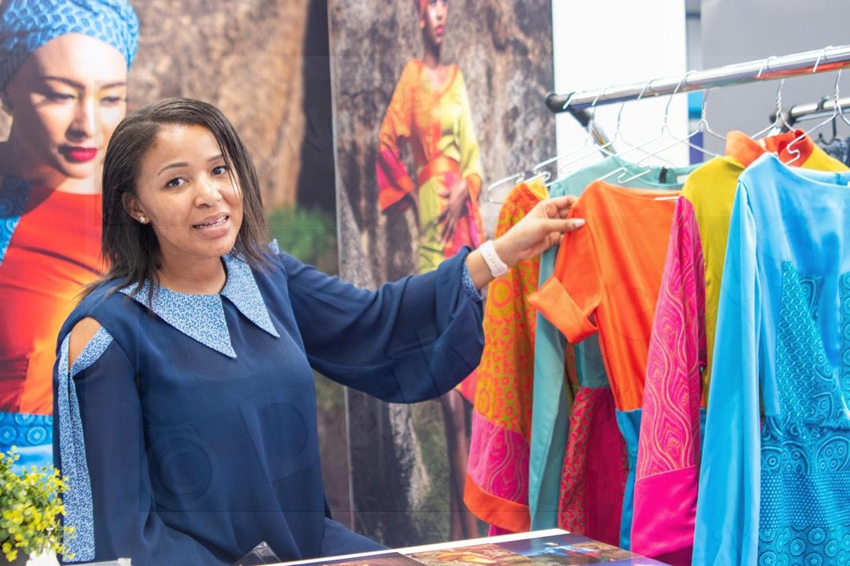
In an interview on Monday, Ms Botho Nsala, a prominent designer from Botocy Creations emphasised the need for fashion companies to commence strategic positioning through rigorous research on ISO certification processes.
She lamented that the lack of ISO certification among African fashion businesses often leads to subpar products, compromising quality and aesthetic appeal.
“Fashion is a universal language that transcends borders, cultures, and identities,” Ms Nsala noted, highlighting the diverse influences on clothing sizes around the world.
She pointed out how variations in body sizes impact the average dress size across different countries, from the runways of Paris to local markets in Botswana. Ms Nsala argued that local designers possess an inherent advantage over their foreign competitors due to their understanding of the average dress size and the cultural, social, and historical nuances that shape regional fashion standards.
“Even when using Western standard sizing, we encounter different issues because we are structurally different. This presents an untapped market,” she said.
The situation has become more complex with the influx of Chinese garments into Africa, which often fail to account for the unique anatomical characteristics of African consumers.
With a background in fashion design from Durban, South Africa, Ms Nsala brings a wealth of experience to the table. Durban’s reputation as a manufacturing hub has significantly influenced her work ethic and creative flair.
Pursuing her ambition led Ms Nsala to work on her Master’s degree in Fashion Design, building on her entrepreneurial spirit and innovation. She advised aspiring designers not to wait until graduation to start their careers, emphasizing the importance of early exposure through competitions and showcases.
To succeed in the fashion industry, Ms Nsala recommended that budding designers showcase their designs both regionally and internationally, adding that focus should be on skills development and tailored training for the industry.
Ms Nsala said volunteering was vital in improving skills and creating essential linkages across the fashion and design spectrum.
Over and above her brief career teaching fashion and design, she volunteered under the Botswana Textile Association for years, helping to craft policies that would define the boundaries of the sector locally.
This, she said, incorporated reviewing fashion and design ISO Standards, which were yet to be cultivated within Botswana for adoption. Ms Nsala expressed hope that this would empower local businesses and aid them in structuring sustainable and profitable operations.
She stressed the economic potential of the fashion industry, noting its prominence as a top contributor to GDP in many countries.
“If we establish a robust value chain within our fashion industry, we can create numerous jobs,” she said, highlighting the correlation between quality craftsmanship and economic development. With the African Continental Free Trade Area (AfCFTA) opening new avenues for trade, Ms Nsala highlighted significant opportunities for skills development and talent exportation. She however, pointed out a critical limitation: “We cannot meet the demand because we lack the manufacturing capacity and population necessary for large-scale production,” she said.
She said ISO certification in the textile and apparel industries was not merely a formality but a transformative step towards enhancing product quality and global competitiveness. Embracing these standards can unlock the vast potential of the African fashion sector, paving the way for sustainable growth and job creation, she said. ENDS
Source : BOPA
Author : Marvin Motlhabane
Location : GABORONE
Event : INTERVIEW
Date : 14 Nov 2024
Related News


13 Oct 2026
Expo sparks regional leather expansion

12 Oct 2026
Partnership to boost vehicles maintenance
12 Oct 2026
Farmers urged to treat agriculture as a business

12 Oct 2026