

Diagnostic errors pose risks to health outcomes
19 Sep 2024
Diagnostic errors, including missed, incorrect, or delayed diagnoses, are a leading cause of preventable harm in healthcare systems worldwide.
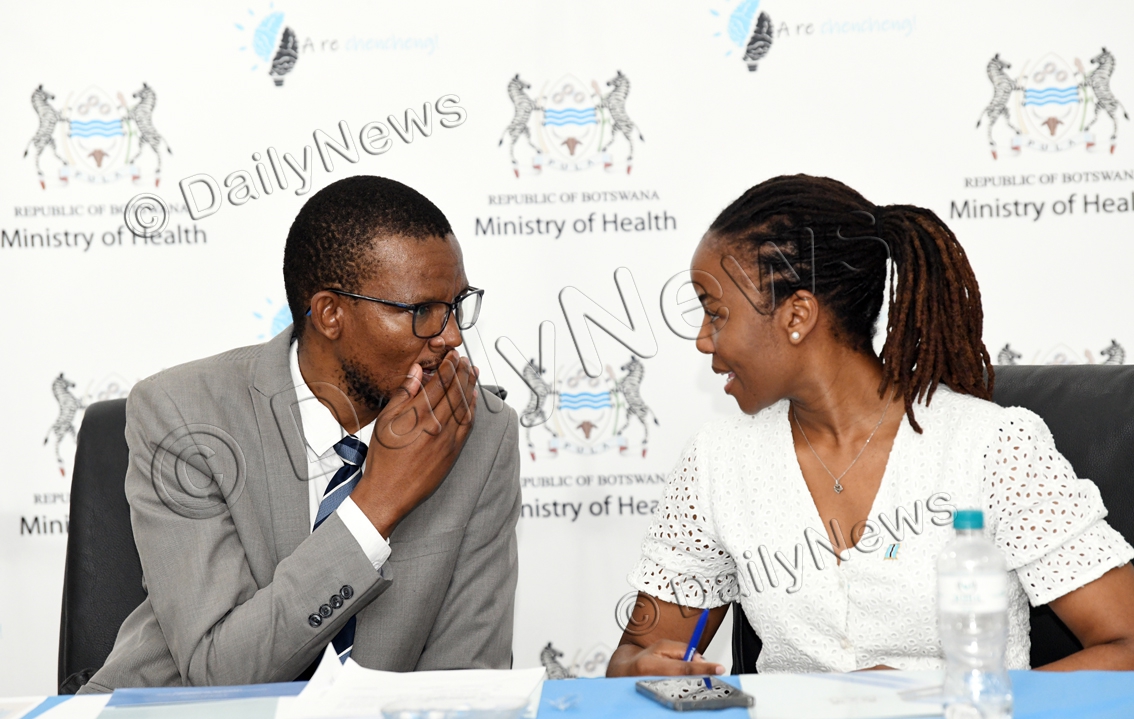
Speaking during the World Patient Safety Day press briefing on Tuesday, Ministry of Health Primary Healthcare Secretary, Dr Mareko Ramotsababa said diagnostic mistakes could result in negative health outcomes, psychological distress, and increased financial costs.
He pointed out that in emergencies, an accurate diagnosis could be the difference between life and death.
Observed annually on September 17, this year’s World Patient Safety Day focused on the theme, “Improving Diagnosis for Patient Safety” with the slogan, “Get it right, make it safe”.
Dr Ramotsababa said diagnostic errors accounted for 16% of preventable patient harm globally. He noted that while local statistics weren’t available, the trend in Botswana reflected similar challenges.
He observed that COVID-19 pandemic served as a stark reminder of the importance of accurate diagnoses, as early identification of the Omicron variant was crucial in developing vaccines and curtailing the spread of the virus.
He said efforts were underway to reduce diagnostic errors in Botswana through various interventions, which included improving the health system’s diagnostic capabilities, ensuring thorough clinical examinations, and adopting technology-based solutions.
He acknowledged the vital role of Botswana Regulatory Authority (BOMRA) in promoting access to quality diagnostics, medicines, and medical devices.
He urged patients to take an active role in their healthcare, stressing that safety was a shared responsibility between providers and patients.
“Patient safety is not just a concept, but a fundamental human right,” Dr Ramotsababa remarked, calling for a united effort to improve healthcare outcomes.
World Health Organization (WHO) Representative, Dr Juliet Bataringaya noted that diagnostic errors led to missed, delayed, or incorrect diagnoses, causing prolonged illness, disability, or even death, while also increasing healthcare costs.
She said that the Global Patient Safety Action Plan (2021-2030) advocated for reduced diagnostic errors through comprehensive interventions, including improved access to diagnostic tools, patient history assessments, and technology-based solutions.
She said policymakers, healthcare leaders, and health workers all had vital roles to play in fostering environments that ensure diagnostic accuracy, with collaboration between all stakeholders being key. Dr Bataringaya assured the Ministry of Health of WHO’s ongoing commitment to enhancing diagnostic capabilities through capacity building and improving laboratory services. Ends
Source : BOPA
Author : Bakang Wren
Location : Gaborone
Event : Interview
Date : 19 Sep 2024
Related News

24 Jul 2026

24 Jul 2026
Zimbabwes mineral exports earnings surge

23 Jul 2026