

UNICEF calls for collective efforts to narrow vaccination gap
24 Apr 2024
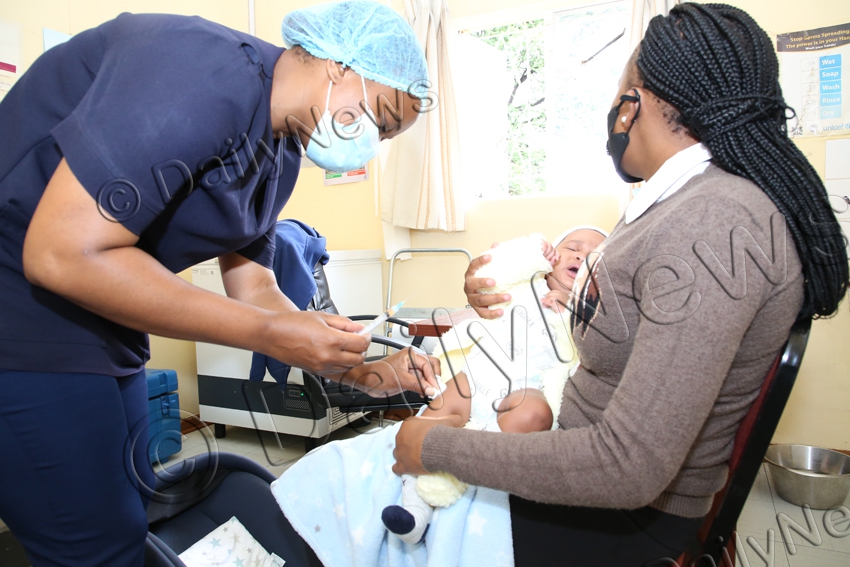
Different stakeholders have been called on to act as a collective effort to help reduce the gap in vaccination and make sure that all children in Botswana were immunized and protected.
Speaking at the start of Africa Vaccination Week in Gaborone on Tuesday, the United Nations Children’s Fund (UNICEF) representative Dr Joan Matji said vaccines played a pivotal role in saving lives, adding that ‘in reality, for every African child and every Motswana child every day should be a vaccination day’.
Dr Matji called on all stakeholders to ensure that no child was left behind when it comes to receiving essential live-saving vaccines and other child health interventions.
She reiterated that government was committed through the revitalisation of primary health care which had emphasis on preventive services and integrated community-based health services to accelerate progress in delivery of child health.
She pointed out that last year UNICEF released ‘The State of the World’s Children 2023: For Every Child, Vaccination,’ saying the report sent a red alert on the steep decline in child routine immunization coverage after the COVID-19 pandemic.
“This is worrying as vaccines have proven to be one the most successful public health interventions to control the deadliest of infections,” she said.
Dr Matji said the report indicated that in Eastern and Southern Africa, there has been a six percent decline in child immunization coverage compared to pre-COVID times, with over 4.6 million children missing out on life-saving vaccines in the last three years, especially the marginalised and poorest communities.
Dr Matji said Botswana has not been spared in respect to the declining coverage of childhood vaccinations. She said the vaccination level of all childhood vaccines fell short of 70 per cent coverage, a mark commonly used for herd immunity, thereby showing a gap that needs to be closed urgently for the survival and thriving of Batswana children.
She highlighted that the decline in vaccination rates cannot only be attributed to the COVID-19 pandemic, adding that qualitative data from various sources indicate that there was low perception on the importance of vaccines.
“There is also vaccine hesitancy in some communities,” she said, adding that the two polio vaccination campaigns undertaken in 2023 post pandemic were an indication of the hesitancy as the campaign could not reach the planned target despite vaccines being available and administered at community and household level.
Dr Matji therefore called on stakeholders to continue to implement innovative behaviour change interventions to build community confidence in vaccines. She stressed the need for community dialogues to stem the influence of rumours and misinformation and bolster widespread support for immunization. ENDS
Source : BOPA
Author : Lesedi Thatayamodimo
Location : GABORONE
Event : Africa Vaccination Week
Date : 24 Apr 2024
Related News

24 Jul 2026
Desert Bush Walk here

24 Jul 2026