

ILEA develops women law enforcement leaders


21 Mar 2024
Courageous women in law enforcement who have helped build fairer and more just societies for their nations were celebrated last night at an International Law Enforcement Academy (ILEA) Gaborone reception hosted by the United States (US) Embassy.
The ILEA is a US funded programme with in-kind contributions through the government of Botswana partnership.
In 2000, the US and the Botswana governments entered into an agreement for establishing an international law enforcement academy that would provide training for middle managers from eligible countries in sub-Saharan Africa.
ILEA’s mission is to buttress democratic governance through the rule of law; enhance the functioning of free markets through improved legislation and law enforcement, and increase social, political, and economic stability by combating narcotics trafficking and crime.
The ILEA programme was first started in Gaborone in 2014 and to date has had 12 classes with 392 participants from across Africa. Across the world, IELA has had 124 iterations, with this year’s engagement being the 125th in Gaborone.
The 32 delegates participating at this year’s class are from Botswana, Mauritius, Seychelles, Zambia, Malawi, The Gambia, Ghana and Rwanda and are women from various law enforcement agencies such as security, prosecutors and judges.
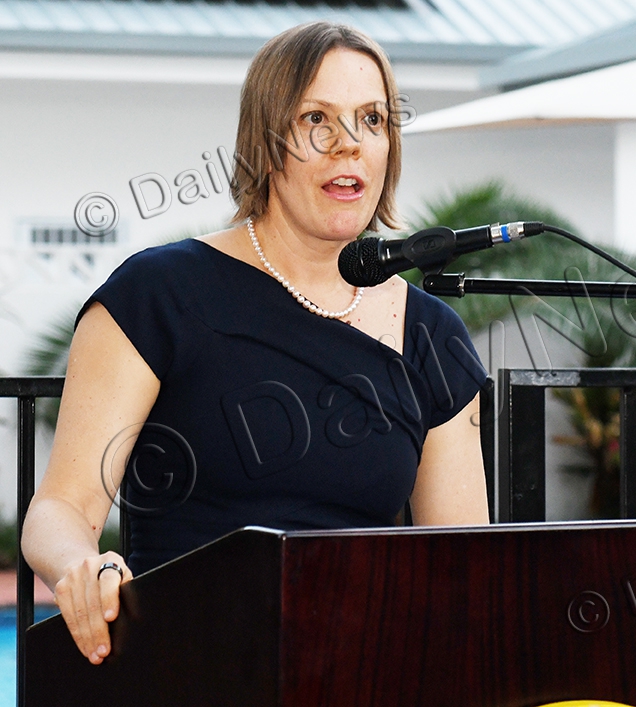
US Embassy Deputy Chief of Mission, Ms Amanda Jacobsen, said the leadership course is designed to help develop more effective women law enforcement leaders who will apply learned skills that are essential in a highly demanding and competitive environment.
She said the reception is an opportunity for participants to exchange information and ideas with fellow stakeholders across the justice and security sectors. She encouraged the participants to network and explore areas of collaborations where possible.
“This evening we celebrate growing momentum towards creating a more equitable safety and security environment through the inclusion of women professionals in law enforcement and security,” said Ms Jacobsen.
Ms Jacobsen said although women bring many strengths to law enforcement and efforts to increase the percentage of women in law enforcement, women still make up only a fraction of police officers and justice personnel relative to their proportion across societies.
She said research has shown that women officers are less likely to use excessive force, they are extraordinarily-skilled at addressing violence against women and sex crimes, they have exceptional problem solving skills, and they improve police community relations.
She therefore said these points illustrate the importance of women in law enforcement leadership roles, and the benefits of recruiting, training, and promoting greater numbers of women officers in the fight against criminality.
Ms Jacobsen said the ILEA training serves as an introduction to the ILEA network and staying connected and committed to combatting transnational organised crimes.
“The global ILEAs have trained and developed a global network of over 70 000 law enforcement and justice personnel from Africa, the Americas, Asia, Europe, and the Near East, many of whom are women,” she said, emphasising the importance of networking and staying connected to foster long-lasting partnerships across all regions of the world.
Meanwhile, instructors at Federal Law Enforcement Training Centre (FLETC) from US said a need study was done in 2008, which established that although women were entering the law enforcement careers which is male dominated, they were not getting the same leadership opportunities and were underrepresented in positions of high authority and leadership.
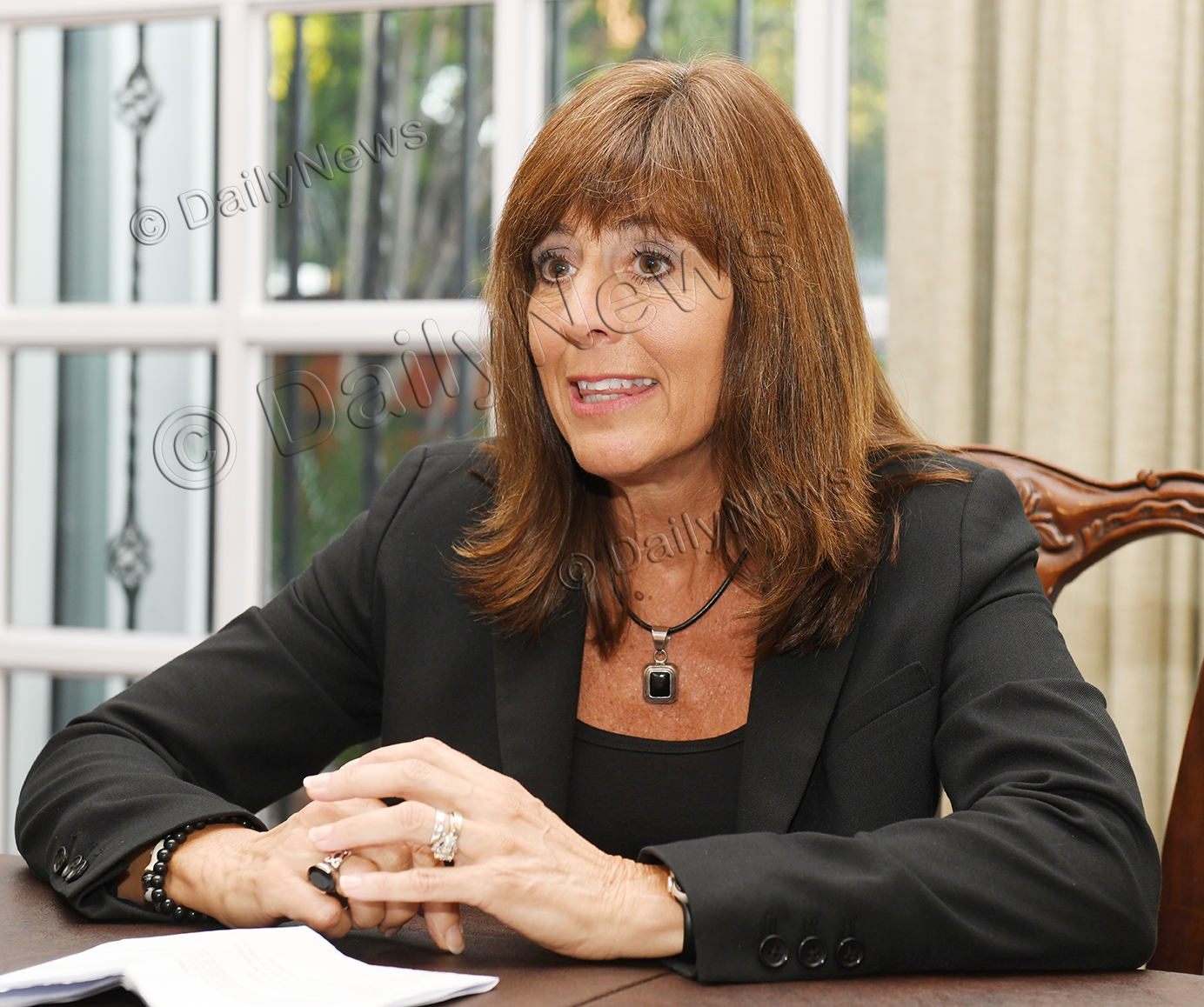
FLETC instructor Ms Suzanne Hines said the programme has been delivered in the US, and across the world since 2008. She said they have trained close to 104 participants since the programme started in Gaborone.
“We have had great support from the Botswana Police Service and government since we started the programme here,” said Ms Hines.
Her colleague, Mr David Lau, said participants are chosen by their respective countries to the US Embassy to participate in the programme. He said the applicant is identified as someone who is already a leader or has leadership potential.
“And it is not uncommon to have someone in a class who is new in a role and does not supervise anyone, and being in a class with people who have been leading for a long time and might be supervising many people,” Mr Lau said.
He said the magic in the programme is the shared wisdom and experience among the participants.
He said they have observed women across the world sharing their knowledge, experiences and challenges that they face in the job that they are doing in their respective countries.
He said at the end of the programme, these women would have built strong networks to collaborate and enable them to effectively fight transnational organised crime. ENDS
Source : BOPA
Author : Ketshepile More
Location : GABORONE
Event : reception
Date : 21 Mar 2024
Related News
24 Jul 2026
Desert Bush Walk here

24 Jul 2026