More citrus for export domestic market
20 Mar 2024
About 2 400kg of lemon fresh fruits is expected to be dispatched weekly to the Middle East and 3 600kg sold in the domestic market during this month (March).
Furthermore, 9 000kg will be harvested and sold both for export and domestic market. Mandarins will follow in June or July while Valencia will be the last to be sold this year for both markets between July and September.
This was revealed by the Minister of Agriculture, Mr Fidelis Molao, at the joint press conference to update the media on the Selebi Phikwe Citrus project in Gaborone on Thursday.
“Production will increase yearly for all the cultivars grown and the trees will be at full production maturity at the age of 16 years,” he said.
He said the Selebi Phikwe Citrus was among the major projects in the Southern African region and Botswana was proud to have made the dream a reality.
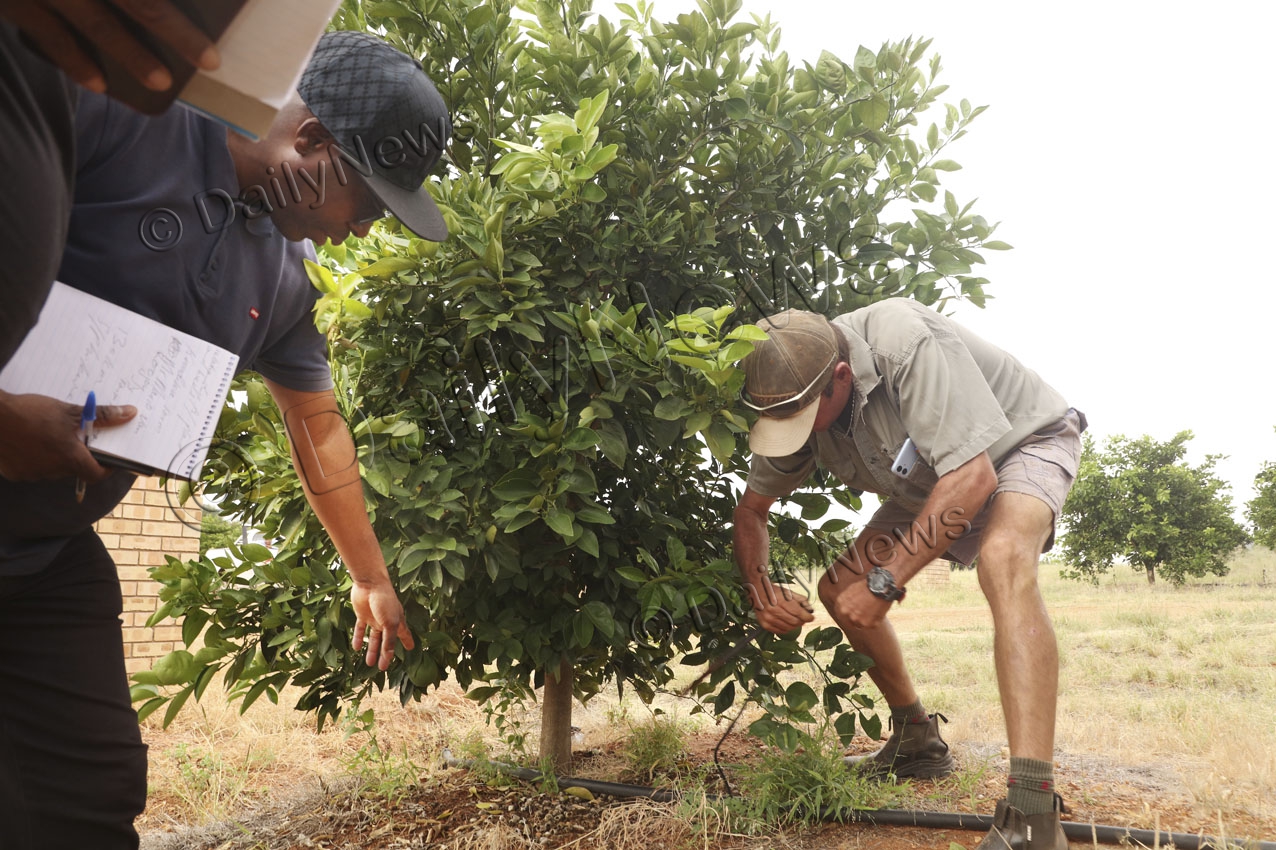
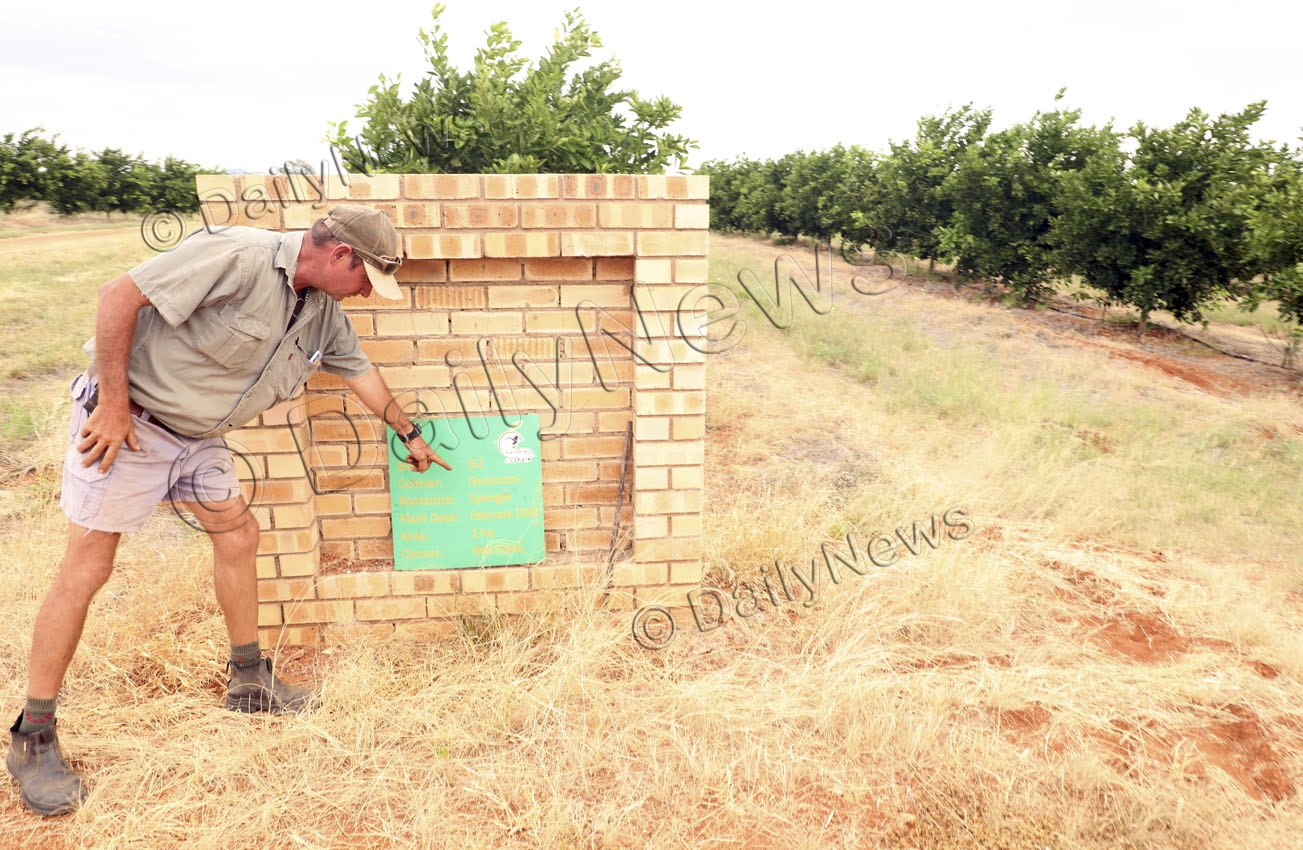
The Selebi Phikwe Citrus farm is about 1 500 hectares with 1 200 hectares developed for fruit production, 888 hectares planted with over 800 000 different citrus cultivars (plants), consisting of, among others lemons, Valencia, Navels, Mandarins and grapefruits, which will be sold to both the local and export markets.
Minister Molao said the ministry, through the Department of Plant Health, had played an important role in facilitating access of citrus to the international markets which included six protocol and 24 permit markets.
He added that the ministry ensured that the vision of Selebi Phikwe Citrus was achieved by facilitating market access for fresh citrus fruits to various export markets.
He explained the categories of the export markets which were classified as protocol and permit markets where the protocol market required a range of rules, regulations, and technical treatments to ascertain, prevent and eradicate plant pests and diseases for the products to enter the market.
“These conditions are in addition to the standard of importing country requirements such as a phytosanitary certificate. It is for countries such as the European Union, China, USA, Phillippines, South Korea, Vietnam, among others,” he said.
The permit markets, he said, only required an exporter to obtain an import permit before they can export their produce while import conditions were typically easier to comply with.
Mr Molao told the media that the Department of Plant Health was in negotiations with different protocol market countries for the export of fresh citrus fruits from Botswana to the USA, South Korea, Philippines and China.
“European Union market has already been concluded.
Please note that market access is not only for Selebi Phikwe but for other growers,” he added.
He indicated that the Selebi Phikwe Citrus project was in line with the value chain priority of the Reset Agenda and was poised to promote growth in the subsector and contribute to food security.
“The magnitude of this project increases the country’s horticulture production, as it provides opportunities for producers to sign contracts with markets.
I, therefore, wish to appeal to Batswana to enter the citrus fruit production space as there is an already secured market,” he said.
He added that the increased hectorage would have a positive impact on the value chain and would also reduce the import of citrus products.
“The Selebi Phikwe Citrus will also definitely help improve the competencies and skills on horticulture production as knowledge on citrus is now available,” he said.
On one hand, Mr Molao, said the ministry continued to subsidise farmers in horticultural production through the horticulture Impact Accelerator Subsidy (IAS).
Conversely, he said, Selebi Phikwe Citrus project was an establishment of a much higher magnitude and had not considered using IAS since the latter focused on just a maximum of one hectare.
“Therefore note that this project has no financial relationship with the IAS programme.
We do however still encourage small-scale farmers to make use of the IAS programme to start their citrus projects if they wish to do so,” he said.
He indicated that a total of 4 817 citrus tree seedlings from Ditladi nursery had been distributed to various districts in the country during this current financial year of 2023/24 and the seedlings were sold at a subsidised price to enable and encourage farmers to grow fruit trees.
“I encourage Batswana to get in touch with Selebi Phikwe Citrus investors to get to know more about the business and to explore the various opportunities available for them in the citrus farming business and the value chains available,” he said. Ends
Source : BOPA
Author : Thelma Khunwane
Location : MOLEPOLOLE
Event : press conference
Date : 20 Mar 2024
Related News

27 Jul 2026

27 Jul 2026
New P1.1m Child Helpline Call Centre opens

27 Jul 2026
Mohwasa commits to maintain public order

27 Jul 2026