


Corruption in health system exacerbate inequalities
25 Sep 2022
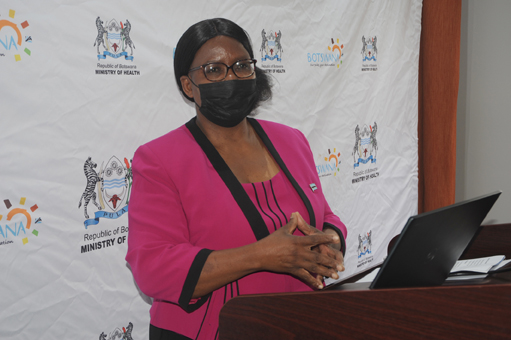
Corruption in the health sector exacerbates inequalities in access to health services and affects the performance of the health system, says Ministry of Health deputy permanent secretary, Dr Onalenna Seitio-Kgokgwe.
Giving welcome remarks at the ministry's corruption prevention committee induction workshop in Mahalapye recently, Dr Seitio-Kgokgwe said corruption made it difficult for health systems to be fully responsive to the legitimate expectations and needs of the people.
“People are at the centre of the health system, therefore, we are serving the people and we have to ensure that our health services are people oriented,” said Dr Seitio-Kgokgwe.
She said given the diverse and complex services they offered, their sector was highly susceptible to corruption, adding that the complexity provided opportunities for bribes, embezzlement, nepotism and informal payments.
She said when people sought medical attention, the health system should be in a position to adequately respond to their needs and expectations.
Dr Seitio-Kgokgwe said all health systems existed to improve people’s health by ensuring equal access by all to health services. To strengthen the health system, she said it was important to control and prevent corruption in all its manifestations.
She noted that the workshop was intended to capacitate the health ministry’s corruption prevention committee and to help in the prevention and control of corruption in the health system
She urged participants to take the deliberations and recommendations seriously. “Health systems are supposed to be efficient because they are resource intensive and can actually milk economies if we are not efficient in what we do,” she said, adding that to achieve goals health systems needed to deliver services accordingly to protect people from financial catastrophe.
Health systems, she said, should also ensure that there was adequate workforce that was motivated and equally distributed as well as robust health information systems, medical equipment and products, vaccines and other necessary technologies.
In his presentation, Directorate on Corruption and Economic Crime’s principal anti-corruption officer, Mr Oreemetse Dipatane said corruption was a global phenomenon fuelling underdevelopment and inequality. He also said it undermined the rule of law, which led to poor administration, industry failure and other social issues such as exclusion from economic programmes.
“When corruption becomes rampant, those who have financial muscle will always have a way of being released from criminal offences which will bring social unrest. And where there is lack of integrity, chances are that there will be abuse of power and poor governance which breed corruption,” he said.
Mr Dipatane also said having crime prevention committees was crucial in addressing issues of accountability, efficiency and effective administration.
He urged the committees to focus on improving systems and procedures, changing attitudes of staff, promoting integrity and improving performance.
An effective crime prevention committee, he said, should promote transparency, accountability, responsibility as well as effective and efficient service delivery.
He also said it should initiate and implement crime prevention initiatives.
He said at the end of the workshop participants should be able to conduct risk assessments, identify loopholes , design, implement and monitor corruption intervention plans for the ministry and departments. ENDS
Source : BOPA
Author : Lorato Gaofise
Location : MAHALAPYE
Event : Workshop
Date : 25 Sep 2022
Related News

03 Aug 2026

03 Aug 2026
Child Support Grant commences

03 Aug 2026
Taskforce assesses social protection programmes

03 Aug 2026
BCL liquidation costs near P2bn

03 Aug 2026