


Rural populace more vulnerable
22 Aug 2022
The impact of climate change is felt mostly by the rural populace due to their greater dependency on rain-fed agriculture for food production.
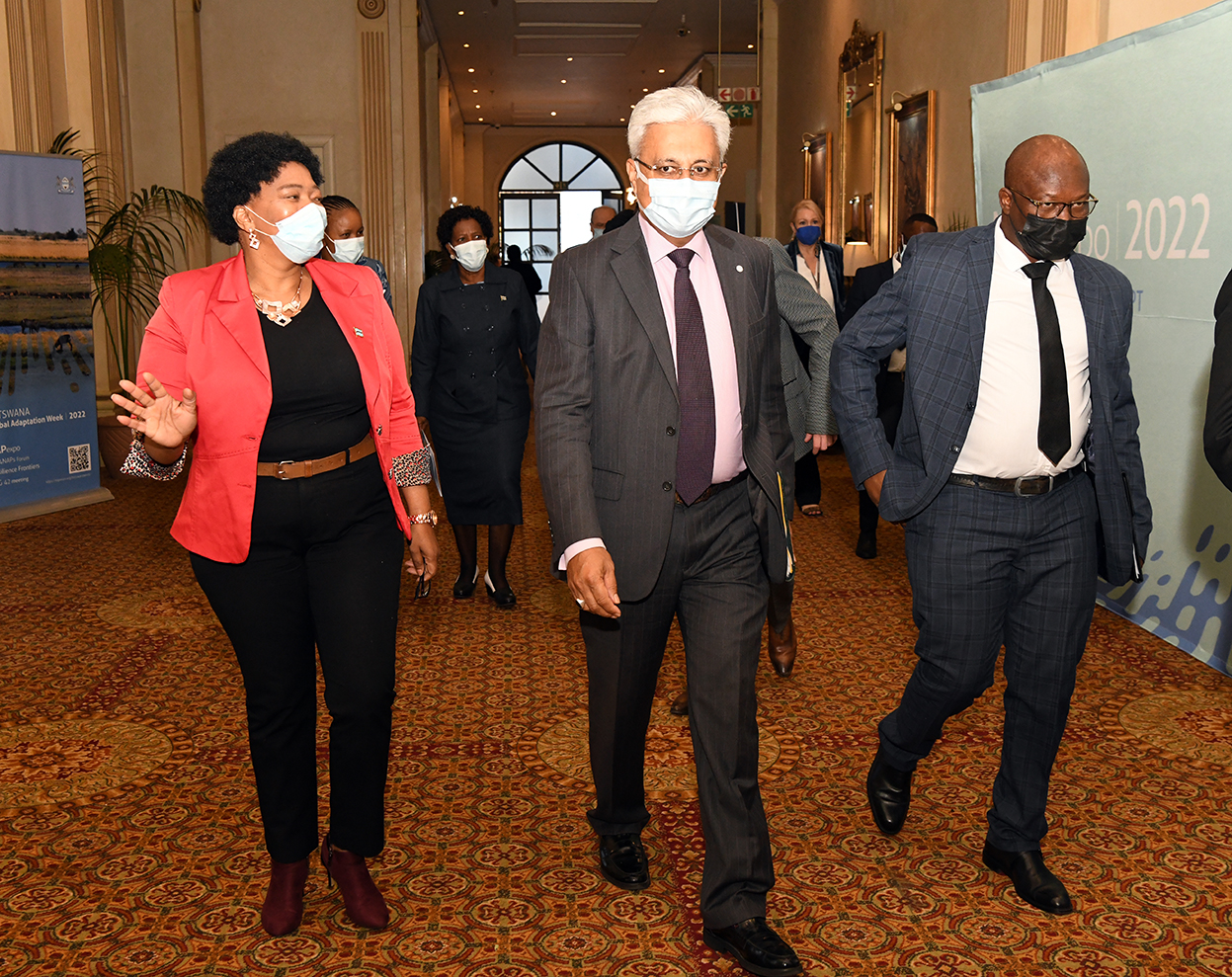
This was said by Minister of Environment and Tourism, Ms Philda Kereng at the official opening of Botswana Global Adaptation Week in Gaborone yesterday.
She said hosting the 7th Global National Adaptation Plan Expo provided the country with a platform for developing a national adaptation plan to ensure that community livelihoods were sustained.
“The aspect of allowing natural adaptation resonates well with the need to develop and implement a national adaptation plan and there could not have been a greater opportunity to build momentum towards this noble ideal other than during this expo,” she said.
Minister Kereng said Botswana would soon develop its national adaptation plan to facilitate effective investment of resources in building resilience across all sectors, regions and communities.
The expo, she said, was a critical platform for unveiling and catalysing initiatives to arrest the adverse effects of climate change to ensure living dignified lives in harmony with nature.
Ms Kereng noted that Botswana continued to experience subdued activity across key economic sectors, especially reduction in tourism activities with an adverse impact on livelihoods.
“This bears testimony to the fact that as a country, we have not been spared from the negative impacts of climate change which were aggravated by the disruptions of the COVID-19 pandemic. Recent studies have revealed that biodiversity is under threat because of climate change,” she said.
Ms Kereng said this year’s theme: Transformation to Adapt, focused on and envisaged transformations across a range of elements in the climate change adaptation process, from planning to risk analysis and delivery of support.
“As part of our adaptation efforts, Botswana has put two pipelines for water transfer from the north to the drier south as well as numerous activities in the agriculture sector to ensure food security,” she said.
Meanwhile, United Nations Framework Convention on Climate Change deputy executive secretary, Mr Ovais Sarmad said it was worrisome that climate change effects continued to be a challenge worldwide and had become a crisis that needed prompt attention.
“There is a need to proactively find ways to address impacts of climate change and how best to cushion the communities from such devastating effects,” he said.
He said droughts across the African continent and the ongoing heat waves, as well as forest fires, were clear indicators of the effects of climate change, which called for immediate adoption of national adaptation plans.
Such plans were the primary means to address climate change, he said.BOPA
Source : BOPA
Author : Thato Mosinyi
Location : Gaborone
Event : Meeting
Date : 22 Aug 2022
Related News

05 Aug 2026
05 Aug 2026
More women join ranks of game rangers

05 Aug 2026
Prisons harvest exceeds P2million
05 Aug 2026