


Demand for paraffin remains high - study
09 Aug 2022
A considerable number of villagers across Botswana have pleaded for the continued supply of paraffin despite the decline in sales volumes over recent years, a Botswana Energy Regulatory Authority (BERA) study has revealed.
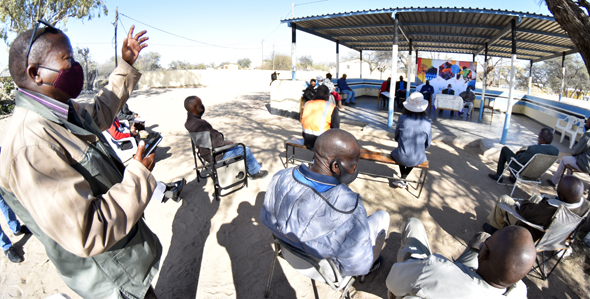
Speaking in an interview with BOPA on Monday, BERA commercial manager - Petroleum, Mr Batsumi Rankokwane, said the organisation had adopted a consultative approach for the ongoing study into paraffin handling and usage locally.
Mr Rankokwane said data submitted to the regulator by multinational oil companies over the past 10 years showed that paraffin sales had plunged from 28 153 354 litres in 2012 to 2 943 104 last year.
He said the downward trajectory was further observed among paraffin suppliers which reduced from four in 2012 to two by 2017.
The observations prompted the regulator to investigate the reasons for the trend, he said.
Mr Rankokwane said 18 out of 31 communities had been covered with priority given to settlements that were at least 100km away from administrative villages.
He said the study looked at socio-economic status and affordability in terms of electricity and solar panel connectivity.
Mr Rankokwane said BERA’s engagements with villagers had yielded several outcomes among them a firm preference for paraffin over candle use, which dwellers deemed dangerous.
He said though there was high demand for paraffin, cross-cutting constraints still prevailed, particularly its accessibility, pricing and handling.
Mr Rankokwane said users complained about the long distances they had to travel to buy paraffin.
The alternative was reliance on local dealers who put a mark-up on the recommended selling price of P15.19/litre, he said.
Meanwhile the study has also revealed improper handling of paraffin, which had in some instances resulted in the loss of life.
Mr Rankokwane said BERA advised on acceptable ways of handling paraffin but was yet to assist traders.
He stated that for safety reasons, selling paraffin in tuck-shops was not recommended.
“As we engaged with communities, we made interesting discoveries on augmented uses of paraffin, which ranged from making floor polish, solvent for washing away paint on surfaces among others,” he said.
Mr Rankokwane said with proper planning, the discoveries could be turned into viable businesses.
He said while many argued for the continued supply of paraffin, others wanted it discontinued as there were better forms of energy such as electricity and solar.
Mr Rankokwane urged citizens to familiarise themselves with the consultation schedule so that they could attend meetings and share their views.
The public’s views would help the regulator make an informed decision, he said. eds
Source : BOPA
Author : Marvin Motlhabane
Location : GABORONE
Event : Interview
Date : 09 Aug 2022
Related News

06 Aug 2026
05 Aug 2026
Zim foreign currency earnings rise sharply in H1
05 Aug 2026
More women join ranks of game rangers

05 Aug 2026