


Entrench rights in Constitution - ACHAP
31 Jul 2022
The non-inclusion of economic, social and cultural rights, and the right to health in the constitution are some of the constitutional gaps that must be plugged.
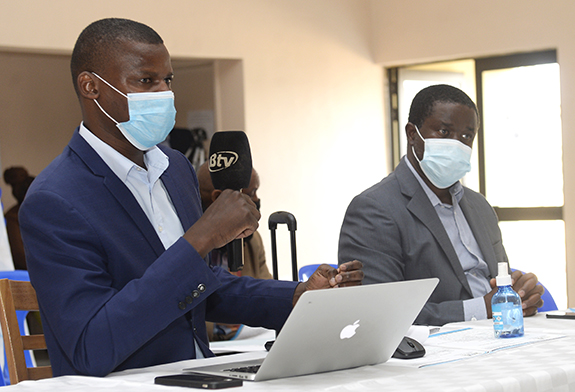
Presenting its proposals before the Presidential Commission of Inquiry into the Review of the Constitution on Thursday, African Comprehensive HIV/AIDS Partnerships (ACHAP) said there was need to have these rights entrenched in the constitution.
ACHAP representative Mr Blessed Moatshe said their inclusion in the constitution would not only lead to improved livelihoods for citizens but would enhance human dignity.
He called for Botswana to guarantee socio-economic rights in the constitution, among them the right to education; the right to work; and the right to social welfare.
“While this is included in the socio-economic and cultural rights, this right is fundamental and deserves mention as it underpins the very right to life and existence,” Mr Moatshe said with respect to the right to health, explaining that in acknowledgement of its importance as forming the basis of life itself, the right needed a special place in the constitution.
Another right that should be protected was that on the protection against discrimination on the basis of sexual orientation and health status, he said.
He called for inclusion in Section 15 of the constitution of right to be protected against discrimination on the basis of their HIV and general health status, and he also underscored the need to strengthen legal protections of people living with HIV, including men having sex with men (MSM) as well as sex workers.
“Remove or amend the restrictive provisions of Section 15, including sub-section 4 which restricts the right to gender equality,” he added. Mr Moatshe said the constitution's deficiencies born out of its exclusion of the right to health had trickled down into a number of legal instruments.
“Some of our laws such as the Public Health Act act as criminal law that punish people for not disclosing their HIV status, making it 'okay' for one to not know their HIV status and hence transmitting HIV without one's knowledge,” he indicated.
He said some of the laws such as the Penal Code were vague in description, and broad, thereby exacerbating HIV-related stigma and spreading fear in the society.
On behalf of the Botswana Council of Non-Governmental Organisation (BOCONGO), Mr Monametsi Sokwe said that the essence of the constitution should be about ensuring the overall development of the citizen through the enhancement of their standard of life.
On the constitution's weaknesses, he noted that the need to satisfy certain administrative requirements in order to exercise some constitutionally-entrenched rights was wrong.
He said the right to assembly often required clearance by law enforcement officials, which requirement, he said, was a constraint that meant that citizens could not instantaneously exercise this right. Mr Sokwe also highlighted the plight of marginalised sections of society with respect to their representation in decision-making positions.
He said women, the youth and People With Disability (PWD) had little representation, adding that it was therefore incumbent on the law to remedy the state of affairs. On different matters, Mr Sokwe asked for the total independence of the three arms of government as well as for all oversight institutions to report to parliament for better accountability. ends
Source : BOPA
Author : Keonee Kealeboga
Location : Gaborone
Event : Commission of Inquiry
Date : 31 Jul 2022
Related News

06 Aug 2026
05 Aug 2026
Zim foreign currency earnings rise sharply in H1
05 Aug 2026
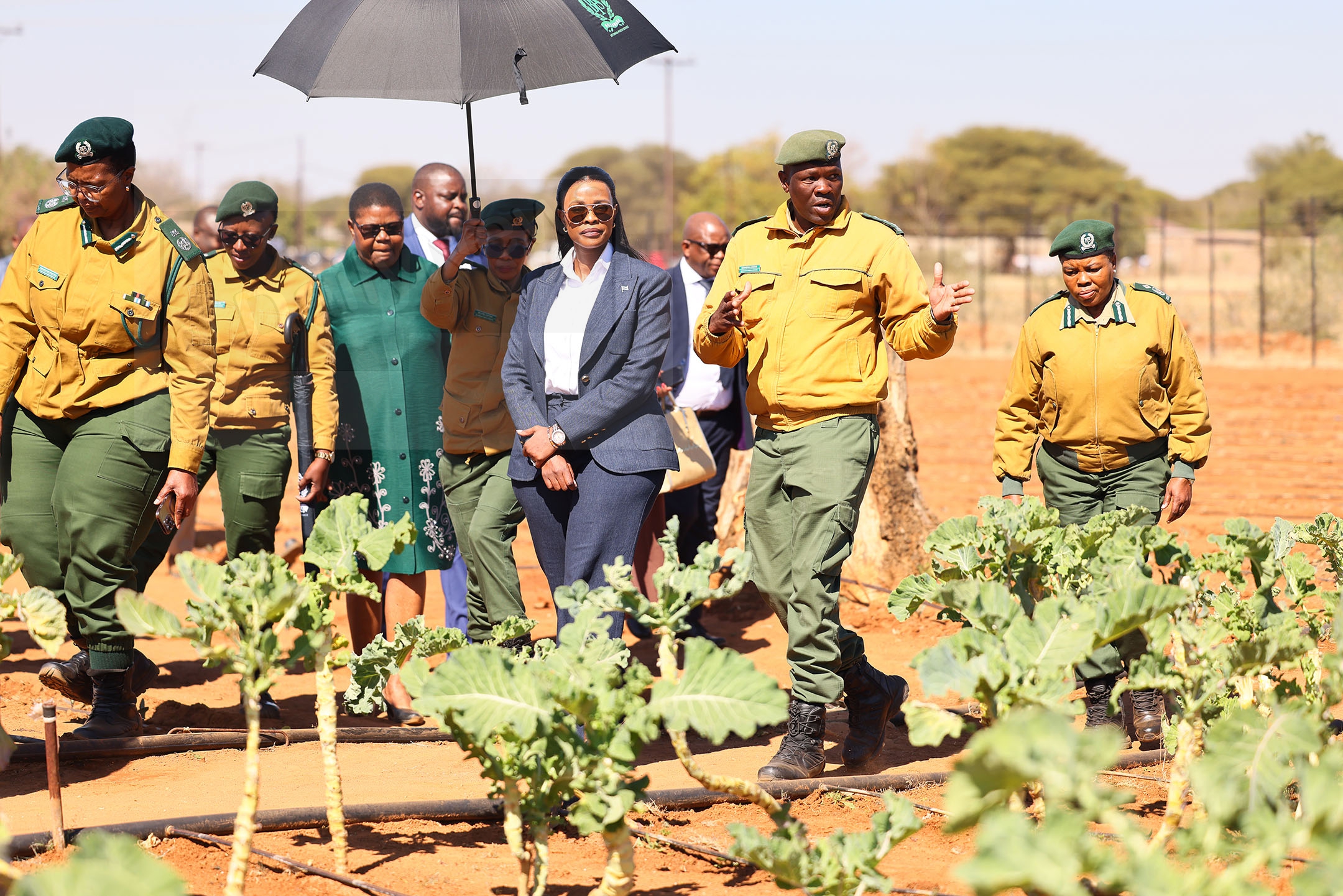
More women join ranks of game rangers
05 Aug 2026