


Current inflation rate predicted to continue
27 Jul 2022
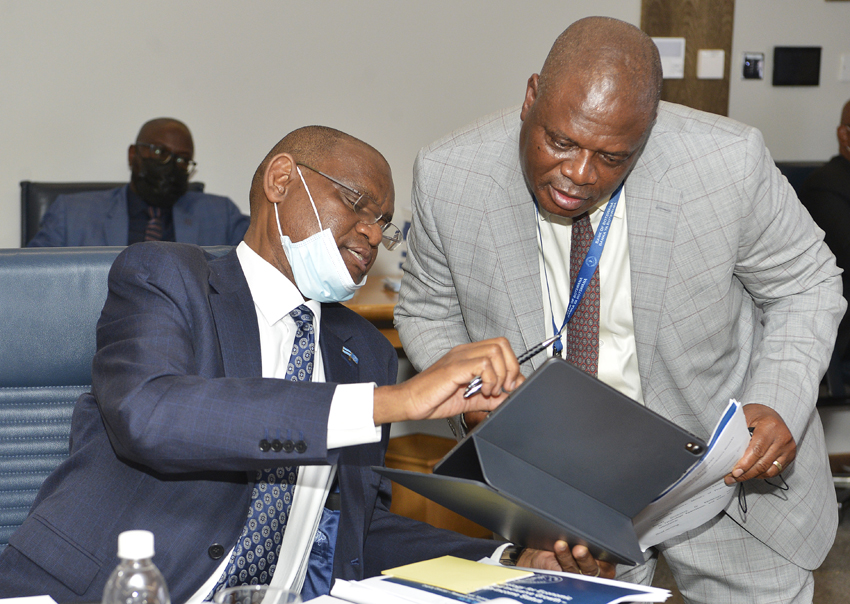
Bank of Botswana (BoB) is anticipating inflation rate to remain above the bank’s 3-6 per cent objective range in the short term, says the bank’s governor Mr Moses Pelaelo.
Briefing the media on Botswana’s economic status yesterday, Mr Pelaelo said the inflation outlook was subject to significant upside risks including the continuing adverse impact of the COVID 19 pandemic, constrained supply relative to demand and regular annual price adjustments, notably of administered prices.
“These risks are however moderated by the possibility of weak domestic and global economic activities and restrained commodity prices, hence the inflation rate is expected to revert to within the objective range in the third quarter of 2022,” he said.
Mr Pelaelo however said the global inflationary pressure was expected to remain elevated for the rest of the year against the background of prolonged supply chain disruptions and high energy prices as well as other input costs.
The anticipated inflationary pressures also stemmed from improved global demand conditions as most economies progressively deployed effective COVID-19 vaccines and reopened, he explained adding that the escalation of geopolitical tensions and subsequent sanctions imposed on Russia also added to the inflation threat and uncertainty.
“Thus, inflation for advanced economies is forecast to increase from 3.1 per cent in 2021 to 3.9 per cent in 2022 while emerging market economies are forecasted to increase from 5.7 per cent to 5.9 per cent in the same period,” he said.
Mr Pelaelo said most economies were likely to tighten their monetary policies to control inflationary pressures resulting from the pandemic-induced supply and demand mismatches that could persist for some time.
Domestically, he said Botswana’s real GDP grew by 8.6 per cent in the 12 months to September 2021 compared to a 7.3 per cent contraction experienced the previous year. He said the increase in output was attributable to the expansion in production of both the mining and non-mining sectors.
“Mining output increased by 15.6 per cent in the year to September 2021 compared to a contraction of 22.2 per cent recorded in the year to September 2020,” he said.
My Pelaelo said non-mining GDP grew by 6.9 per cent compared to a decrease of 2.8 per cent in the corresponding period in 2020.
He said water and electricity output increased significantly by 12.8 per cent in 2021 compared to a decrease of 4.3 per cent recorded in the previous 12 months.
The expansion, he said, was due to the 13 per cent growth in output of the electricity supply sub-sector owing to an increase in local power production and acceleration in water connection, treatment and supply output following completion of the Masama pipeline.
Regarding the accommodation and food services sector, Mr Pelaelo said output declined by 8.7 per cent.The general unfavorable performance of the sector was primarily due to low hotel occupancy rates as a result of the COVID 19 pandemic, he said.ENDS
Source : BOPA
Author : Thato Mosinyi
Location : GABORONE
Event : Press briefing
Date : 27 Jul 2022
Related News

06 Aug 2026
05 Aug 2026
Zim foreign currency earnings rise sharply in H1
05 Aug 2026
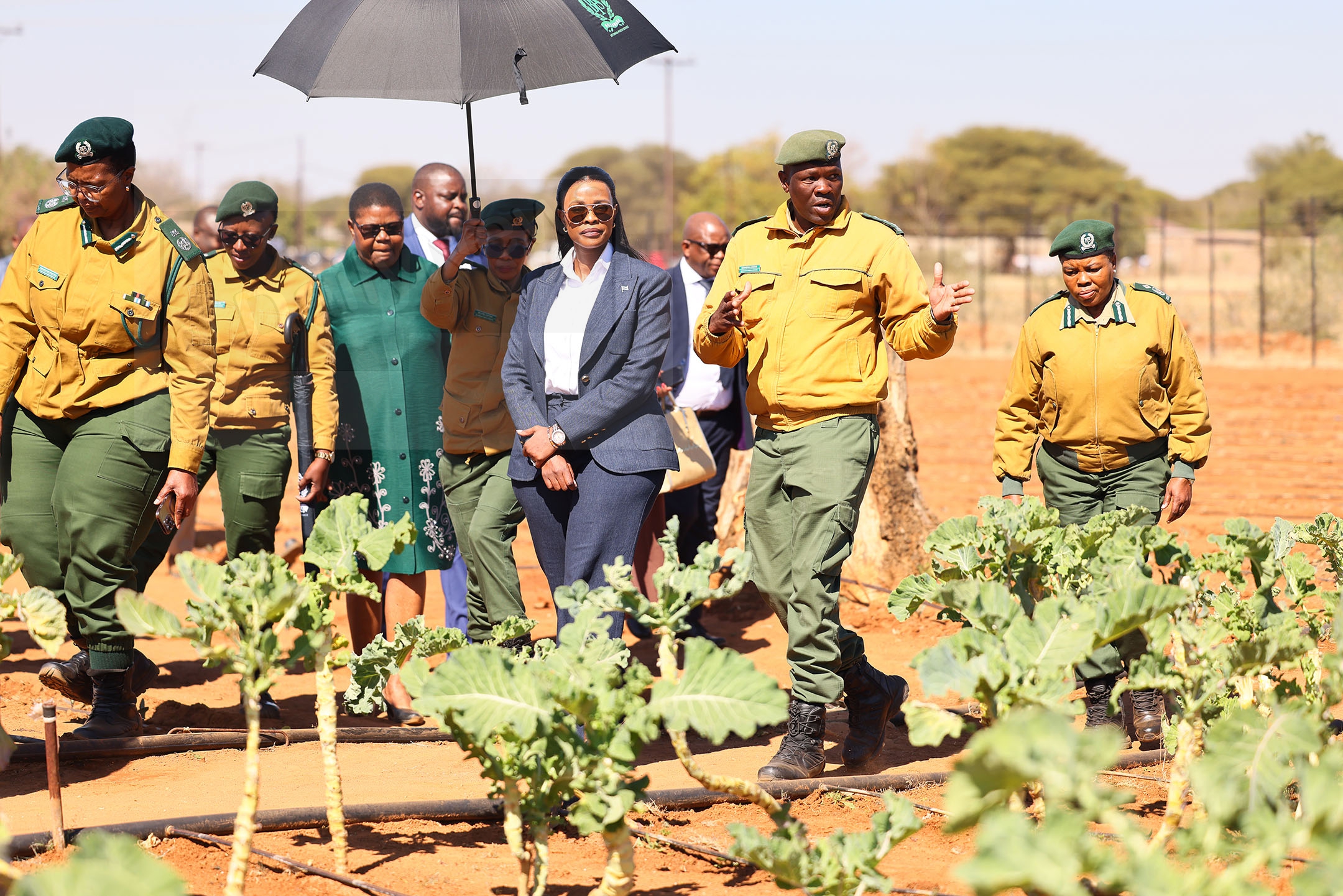
More women join ranks of game rangers
05 Aug 2026