


Make DPP subject only to the constitution
13 Jul 2022
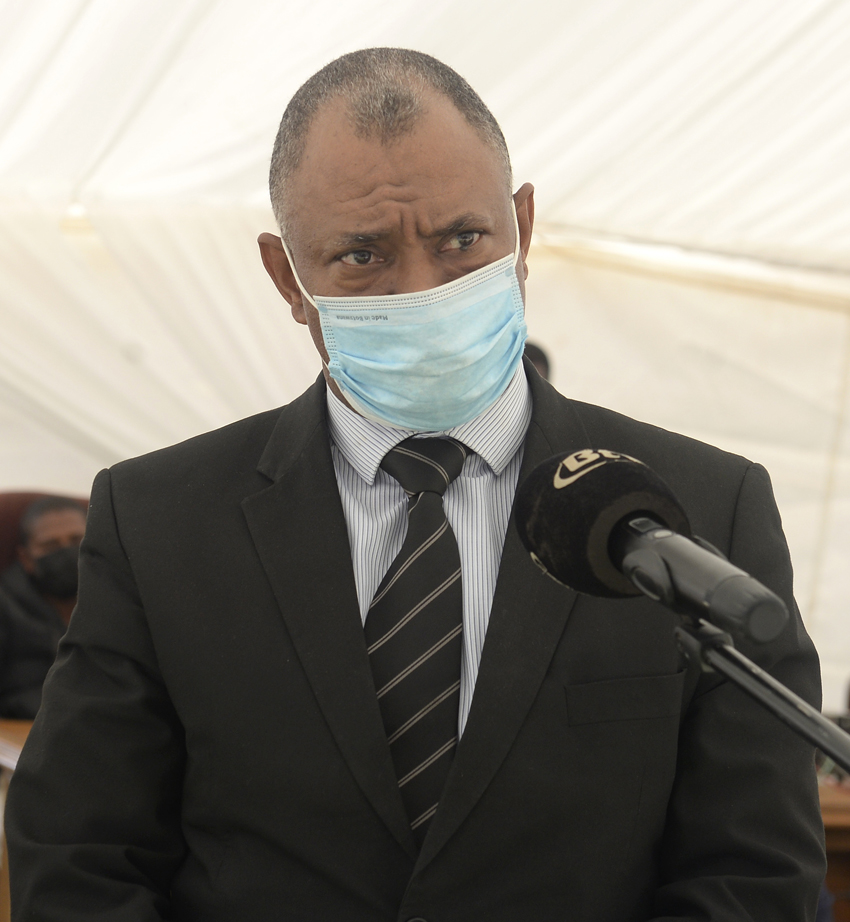
There is need for a separate Act of Parliament establishing the Directorate of Public Prosecutions (DPP). Assistant director of public prosecutions Mr Rahiman Khan, told the Presidential Commission of Inquiry into the Review of the Constitution at the Gaborone South consultative meeting held on Tuesday that while the office of the director of public prosecutions was duly created by law, the same was not the case with the the DPP.
“Whilst we acknowledge that the office of the director of public prosecutions must continue as currently constitutionally entrenched, there is need for a separate Act of Parliament that will establish an entity called the Directorate of Public Prosecutions.
Currently the constitution only establishes the office of the director of public prosecutions,” he submitted.
He proposed moreover that the same Act should in addition spell out the role and functions of the office. Mr Khan made a couple of other proposals with regard the two offices; one of which was that the retirement age of the director of public prosecutions be revised upwards from 60 to 70 to be at par with that of judges of the High Court.
He further asked for the law to guarantee the functional independence of the DPP by removing the office and its head from under the administrative supervision of the Attorney General.
“We also propose that the director of public prosecutions should only consult the Attorney General once he has taken the decision to prosecute and not before,” he added, and explaining that such functional independence would be in line with the provisions of Section 51A (6) which directs that the director shall not be subject to the direction and control of any other person or authority in the discharge of his/her duties.
In the end, Mr Khan also proposed to the commission that the director of public prosecutions should report directly to parliament, which he said would also assist in ensuring his/her functional independence.
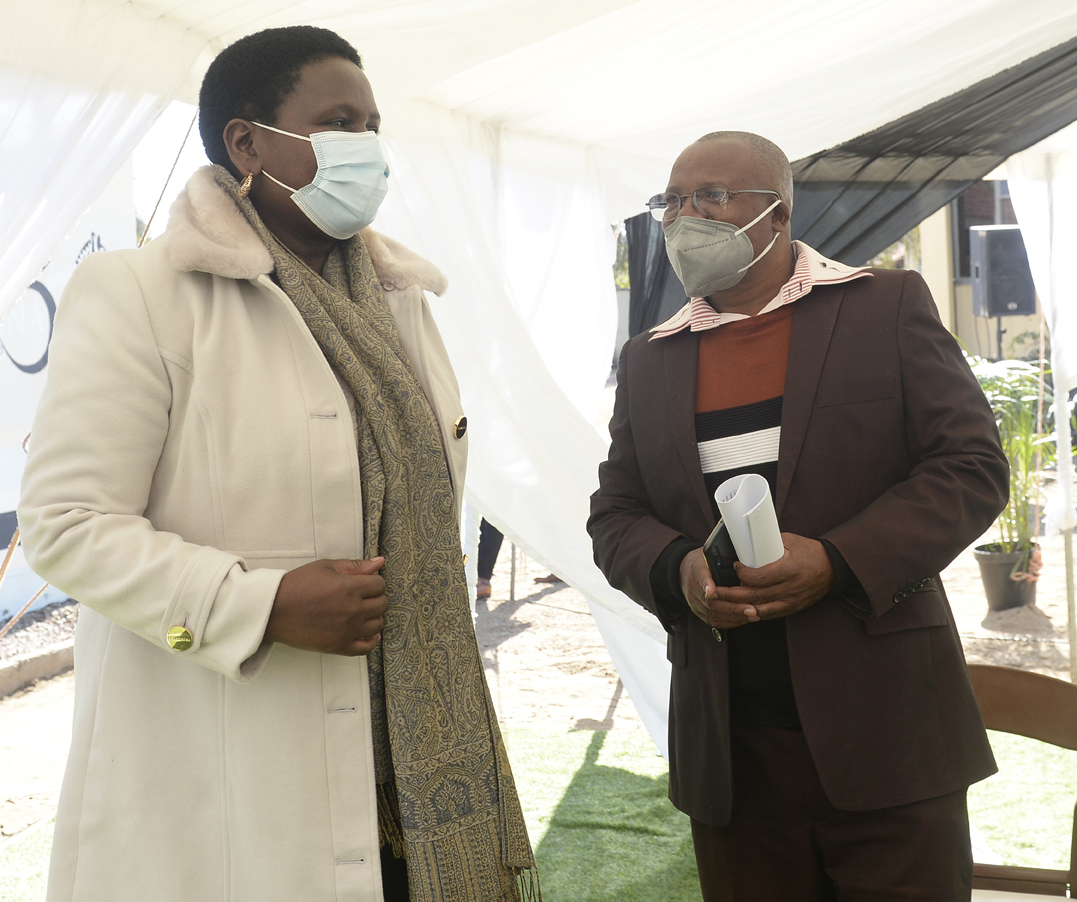
From the Old Naledi ministers’ fraternal, Professor Zwide Mbulawa said due to prominent rights, such as those political, often overshadowing minor but significant ones such as family rights, there was need for a better context of explanation of rights within the country’s constitution.
“We for instance feel that there should be recognition of the family, and as such family rights should be recognised. Community rights; collective rights; identity rights, and clear religious rights as well, rather than just assuming that as Batswana we have the right to worship,” he said.
Prof. Mbulawa also suggested that the law should also adopt a clearly laid-out stance on morality and not be silent on the subject as it presently was.
“Morality is the essence of values, and there is no ability for us as human beings to interact with each other on an organisational level, on a corporate level, on a cultural level unless we recognise that there are values that bind us and keep us together and give us a purpose,” he explained.
For the stated reason, he said there was need for those moral values to be identified and clearly spelt out and thereafter be infused in the constitution to ensure their ultimate protection. Prof. Mbulawa said their other wish was for the establishment of the constitutional court, whose most prominent role would be to entrench as well as protect constitutional democracy.
Further, he said the court would serve as the vanguard in the protection of types of constitutionally bestowed rights. ENDS
Source : BOPA
Author : Keonee Kealeboga
Location : GABORONE
Event : Review of the Constitution
Date : 13 Jul 2022
Related News

06 Aug 2026
05 Aug 2026
Zim foreign currency earnings rise sharply in H1
05 Aug 2026
More women join ranks of game rangers

05 Aug 2026