Aquatic animal production critical
04 Jul 2022
The aquatic animal production, which contributes significantly to human nutrition, poverty alleviation and sustainable development is growing rapidly.
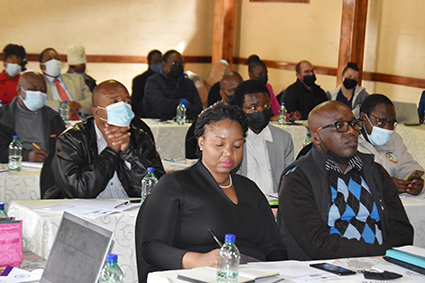
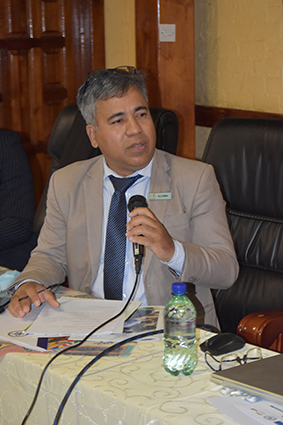
Deputy permanent secretary (Aquaculture and Island Fisheries) in the Ministry of Agriculture, Dr Ghulam Kibria said this at a two-day final stakeholders’ workshop on Botswana National
Aquatic Animal Health Strategy and Implementation Plan in Francistown recently.
The aquatic strategy sets priorities for collaborative actions to protect aquatic animal health and welfare, and to fully realise the potential of aquatic animal production.
“Also we know that the Aquatic Animal production plays an important role in supporting livelihoods, especially in low and middle income countries,” he said.
Dr Kibria said the growth of aquatic animal production was essential in achieving many of the United Nations Sustainable Development Goals such as those related to ending poverty, ending hunger, ensuring good health and well- being, ensuring responsible consumption and production, conserving and sustainable using of marine resource.
He therefore said growth in aquatic animal production must be sustainable to have lasting benefits.
Furthermore, Dr Kibria said the aquaculture sub sector, although its contribution to the national economy was insignificant and not offer substantial potential for economic diversification and development.
“Its contribution to the marginalised segment of the population in terms of employment creation, income generation and food and nutrition security, cannot be over- emphasised,” he added.
Dr Kabria pointed out that the Ministry of Agriculture had found it imperative to develop the sub sector in diversifying the agricultural sector and also reducing the huge fish import bill that fisheries sub sector was currently experiencing.
However, he said that disease outbreaks were the greatest threat to animal production globally hence there was need to achieve many of the Sustainable Development Goals (SDGs).
“The threat is shared and requires collaborative actions by member states in collaboration with relevant stakeholders to protect and improve aquatic animal health worldwide,” he said.
Meanwhile, the National Focal Person for Aquatic Animal diseases, Dr Bernard Mbeha said the country was at risk of importing aquatic animal diseases given its location as a land locked country in the SADC region.
Up north Botswana shares the Zambezi river with Zambia, in the west it shares the Chobe river with Namibia whilst in the east is the Limpopo river with South Africa, he said.
Dr Mbeha said the other challenge the country faced was lack of vaccine facilities for aquatic animals as opposed to torrential animals such as livestock.
“Botswana relies heavily on the Central Veterinary Laboratory in Zambia for aquatic animal disease,“ he added.
Dr Mbeha also stated that the borders were also not manned with workers who have the full knowledge on aquatic animal diseases hence there was a high risk of importing aquatic animal disease especially in the fisheries industry.
He also emphasized the need to take women on board because they were the drivers in the aquaculture industry and the need to promote regional integration on the aquaculture industry to promote animal health agenda.
The meeting urged SADC member states to develop their national strategies in line with the regional strategy. ENDS
Source : BOPA
Author : Thamani Shabani
Location : FRANCISTOWN
Event : stakeholders’ workshop
Date : 04 Jul 2022
Related News

06 Aug 2026

06 Aug 2026
District councils disburse Child Support Grant
06 Aug 2026
Zimbabwe eyes parliamentary menstrual Act
05 Aug 2026
Zim foreign currency earnings rise sharply in H1
05 Aug 2026