


Residents welcome use of mother tongue in schools
11 May 2022
Residents of six villages in the Southern region have welcomed the inclusion of their schools in phase one of schools that will use mother tongue language as a medium of instruction in lower primary schools next year.
Pupils from primary schools in the villages of Kanaku, Kutuku, Itholoke, Mahotshwane, Kokong and Morwamosu, all in the Mabutsane Sub-district will be among the first in the country to be offered lessons in their mother tongue, Shekgalagari.
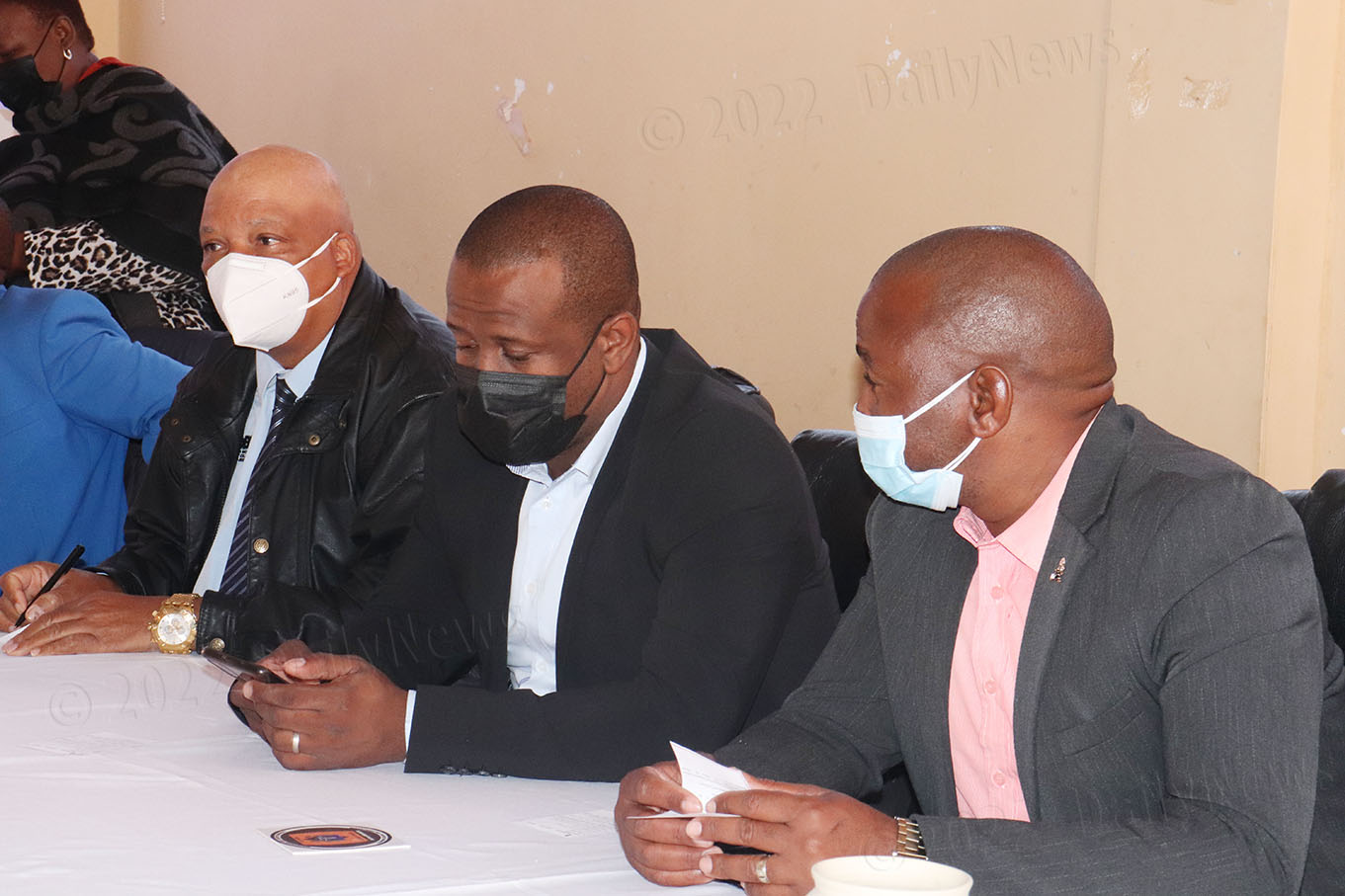
The move has been hailed by representatives of the villages during a consultative meeting with education officials in that it will increase the confidence of students and help them grasp concepts better.
One of the speakers, Kgosi Seikgaro II of Kokong said that they were confident that the decision would help improve academic performance in their villages.
“One of the reasons we have been performing poorly is that students in our areas did not grasp concepts clearly at the foundation, which is critical as you move up, but with this decision, we are confident that tables will start turning around in a few years,” he said.
Representatives from various villages, however, suggested that more schools across villages should be included as Shekgalagari was widely spoken beyond the six chosen villages. They also reasoned that the decision to use the mother tongue as a medium of instruction would also help close the seeming gap of inequality between ethnic groups, and also requested that in the future, issues of mother tongues should also be used in the media.
Residents also concurred that it would be advisable to employ native speakers of languages that were being used in the initial stages of implementation.
When briefing the attendants, director of regional operations for the southern region, Mr Acro News Maseko said although the issue of using mother tongue as a medium of instructions had taken long to be implemented, it does not mean that government does not take local languages seriously.
“The recommendation was long made in 1994 by the Kedikilwe Commission which recommended that basic standards be taught in mother tongues for better grasp of issues. Although it took long, government was always on it,” he said.
He said research had indicated that kids grasp concepts better when presented in their mother tongue and that such also elicited interest in learning.
Mr Maseko also indicated that their work had been made easy by the fact that the University of Botswana already did research on various languages spoken in the country, most of which have ready orthographies.
“The plan is to start using the languages next year, and as we speak teachers are being recruited and we are expecting supporting material such as textbooks to guide teachers on the standard of languages to be used,” he said.
Mr Maseko said using different languages would not only help students understand but also help preserve these languages and local cultures and make them available for any individual who wants to learn them.
Regional coordinator, Ms Sereko Mokhawe said that in phase one, 13 languages will be used, and that prior, Botswana went on benchmarking exercise in Namibia and South Africa.
For his part, the chairperson of Southern District, Mr Thamiso Chabalala said explaining concepts for kids in English had been a challenge for teachers such that they were sometimes forced to explain even the English language lesson itself in Setswana.
He said it was time that Botswana started instructing in the mother tongue, looking at the fact that some countries were advanced as they even use mother tongues at the tertiary level. He said they were hopeful that those tasked with the implementation will do so well in time to prevent any postponement. Ends
Source : BOPA
Author : Olekantse Sennamose
Location : JWANENG
Event : Consultative Meeting
Date : 11 May 2022
Related News

07 Aug 2026
Xiplomacy Hosting the world building the future

07 Aug 2026
Xiplomacy Pursuing the greater good for all

06 Aug 2026
Gaolathe inspires learners to aim high
06 Aug 2026