


Include marginalised communities in decision making
10 May 2022
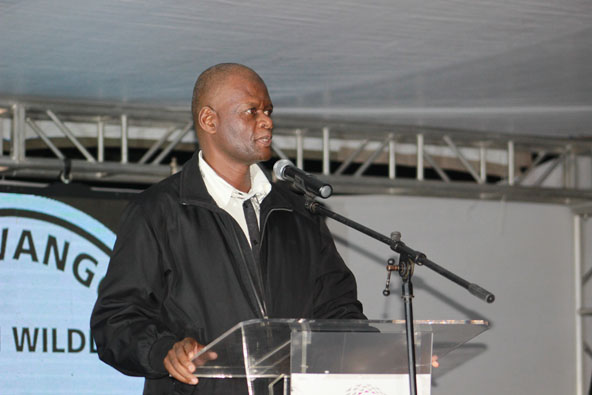
The inclusion of marginalised communities in decision making processes is key to achieving conservation of natural resources and addressing issues of human/wildlife conflict.
The director of Okavango Research Institute (ORI) Professor Joseph Mbaiwa said this during the Okavango Human-Wildlife Conflict Foundation fundraising dinner held at Cresta Lodge in Maun on Saturday. Prof Mbaiwa emphasised the need for polices, strategies and plans to include the voices of the community living adjacent to wildlife areas.
He said if those people were left out, efforts to achieve conservation of natural resources and addressing issues of human/wildlife conflict would be in vain. He said since in Ngamiland, communities co-existed with animals, their needs and wellbeing needed to be considered in order to come up with strategies that could promote sustainable natural resources. Prof Mbaiwa further called on relevant authorities to promote consultation with the affected communities first so that their voices could also be heard before coming up with mitigation measures.
“[By] consultation, I mean sitting down and engaging them into meaningful discussions to get their ideas, whether you agree with them or not. If we are to manage wildlife and other natural resources, the voices of people co-existing with wildlife need to be heard, not for them to see decisions made then imposed on them,” he added.
He also called for application of the Integrated Land use Management Ngamiland communities. Prof Mbaiwa said communities’ concerns about hunting, photographic tourism and molapo farming, should be heeded. Okavango assistant district commissioner, Ms Gaehetse Maphakwane concurred that the community should be involved in decision making processes to overcome issues of human wildlife conflict.
She said incidents of human wildlife conflicts were rife in Okavango, largely because the communities, relied a lot on natural resources such as water and the wilderness for their livelihoods.
Ms Maphakwane called on stakeholders to unite to address the issue. She also raised a concern that some departments never engaged the community to share their views on co-management of wildlife resources. For his part, the director of Department of Wildlife and National Parks, Dr Kabelo Senyatso appealed to the communities to explore best use of the wildlife found within their environment. He also urged the communities, he said should ensure that animal welfare was guaranteed and that no cruelty to wildlife would be tolerated.
He explained that communities were allowed to kill a wildlife animal that threatened them or their assets and they had to use a gun, not poison. Dr Senyatso said the indiscriminate use of poisons to kill carnivores in Ngamiland especially in the pan-handle and over-seas, threatened other wildlife especially those feeding on the carrion of poisoned animals.
He citing two incidents in which nearly 800 of Botswana’s critically endangered vultures died after eating carrion laced with poison. The worst in the country, Dr Senyatso said was when over 530 of the birds died in that fashion in the central district a few years ago. Over 270 vultures died in the other incident. BOPA
Source : BOPA
Author : Esther Mmolai
Location : MAUN
Event : dinner
Date : 10 May 2022
Related News

07 Aug 2026
Xiplomacy Hosting the world building the future

07 Aug 2026
Xiplomacy Pursuing the greater good for all
06 Aug 2026
Gaolathe inspires learners to aim high

06 Aug 2026