


Critical drugs for all
05 Apr 2022
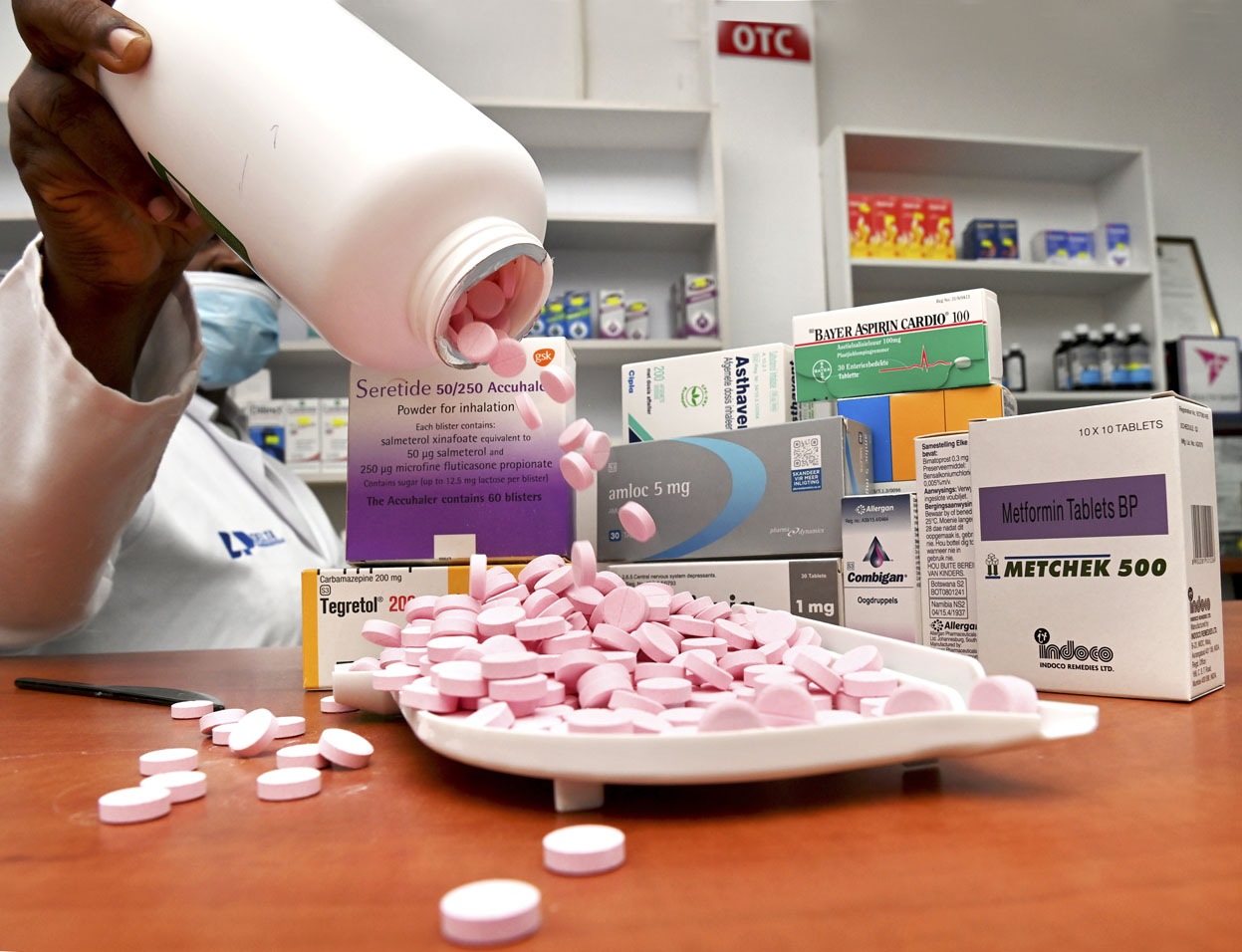
Chronic ailment patients across the country will soon have access to medication through government partnership with pharmacies. The Ministry of Health and Wellness (MoHW) has announced.
The partnership, which the government sponsors through Botswana Public Officers Medical Aid Scheme (BPOMAS), effectively makes available to patients with chronic health conditions, the medicines that are often unavailable in public health facilities.
“This will apply to patients with chronic health conditions who’ve been taking treatment from government facilities or whose government doctor prescribes such treatment,” said MoHW spokesperson Dr Christopher Nyanga in an interview April 4.
The qualification entails a simple process of filling in a form provided by a doctor at a government health facility. The doctor then sends the form to BPOMAS where a beneficiary card is processed and ready for use by the patient within 30 days, he explained.
The decision to partner with “selected citizen pharmacies’’, according to Dr Nyanga, followed a successful pilot project after which the ministry began negotiations with the pharmacies, with a view to having them provide the treatment.
“We hope that this will reduce congestion and waiting time, as well as counter the ongoing challenge of unavailability of medicines experienced in government health facilities across the country,” he said.
Dr Nyanga said the cost of the service would be fully borne by the government.
“Since February, we expedited roll-out and had as at end of March successfully initiated the programme in eight District Health Management Team (DHMT) areas namely, Greater Gaborone, Greater Francistown, Greater Lobatse, Kweneng, Serowe/Palapye, Mahalapye, Greater Selebi Phikwe and Ngami. Enrolment in those areas has started.
We’re now extending the programme to the remaining 10 DHMTs, being Southern, Kgatleng, Kgalagadi South, Kgalagadi North, Ghanzi, Okavango, Boteti, Tutume, Chobe and North East,” he said.
He explained those qualifying would be referred to a pharmacy nearest to them.
“If there is no pharmacy in the village where the patient stays, then they will be referred to a pharmacy in the nearest village,” he said.
Asked if the programme would not be abused given rampant overpricing by government suppliers, Dr Nyanga said: “Appropriate checks are in place. These are negotiated prices, and the treatment is provided at BPOMAS rates. There is no chance that anyone could rip off the government.”
On whether the programme was open to all patients, he said it was only open to Botswana citizens, both adults and children with chronic conditions.
Dr Nyanga said the ministry was aware of complaints made by some participants in the pilot project to the effect some pharmacies would not provide treatment, under the guise it was not available, but would provide the same to people on medical aid. That had now been addressed, said Dr Nyanga.
“That is why we have partnered with citizen-owned pharmacies and BPOMAS,” he said.
A chronic health patient Ms Katlego Sekgwa of Gaborone welcomed the initiative saying, it would go a long way in lessening patients suffering.
“This is truly commendable. For the longest time patients with chronic conditions, especially those without medical aid have suffered because the prescribed drugs are not available in government pharmacies – these are expensive medicines and the cost of prescription drugs keeps going up!”
Ms Sekgwa however called on the government to consider assisting some medical aid patients whose conditions often depleted their medicine allocation months before the next financial year.
“BOMRA should also exempt certain critical medicines as the process of seeking exemption often causes pharmacies to exorbitantly price the medicines. This leads to depletion of your medical aid allocation for medicines within a very short time. That happened to me and I struggled to find money for my treatment,” she said.
Another patient Ms Bonyana Moreki also applauded government’s decision.
“This is very good news for those without medical aid given the very high cost of medicine for chronic diseases,” she said.
While hailing the programme, chairperson of Botswana Private Health Practitioners, Dr Tuelo Ntwaagae reproved private pharmacies that would not provide medicines to patients during the pilot project.
“Life comes first, therefore patients should be engaged and assisted properly,” he said. Dr Ntwaagae encouraged those who entered partnership with the government to diligently assist, especially as their payment was guaranteed.
Meanwhile the ministry advices people wishing to benefit from the programme to enquire at health facilities near them or to consult their government doctor. ends
Source : BOPA
Author : BOPA
Location : Gaborone
Event : Interview
Date : 05 Apr 2022
Related News

07 Aug 2026
Xiplomacy Hosting the world building the future

07 Aug 2026
Xiplomacy Pursuing the greater good for all

06 Aug 2026
Gaolathe inspires learners to aim high
06 Aug 2026