


Wayeyi call for a dedicated bill of rights
31 Mar 2022
The constitution should have a well enunciated bill of rights that covers all people.
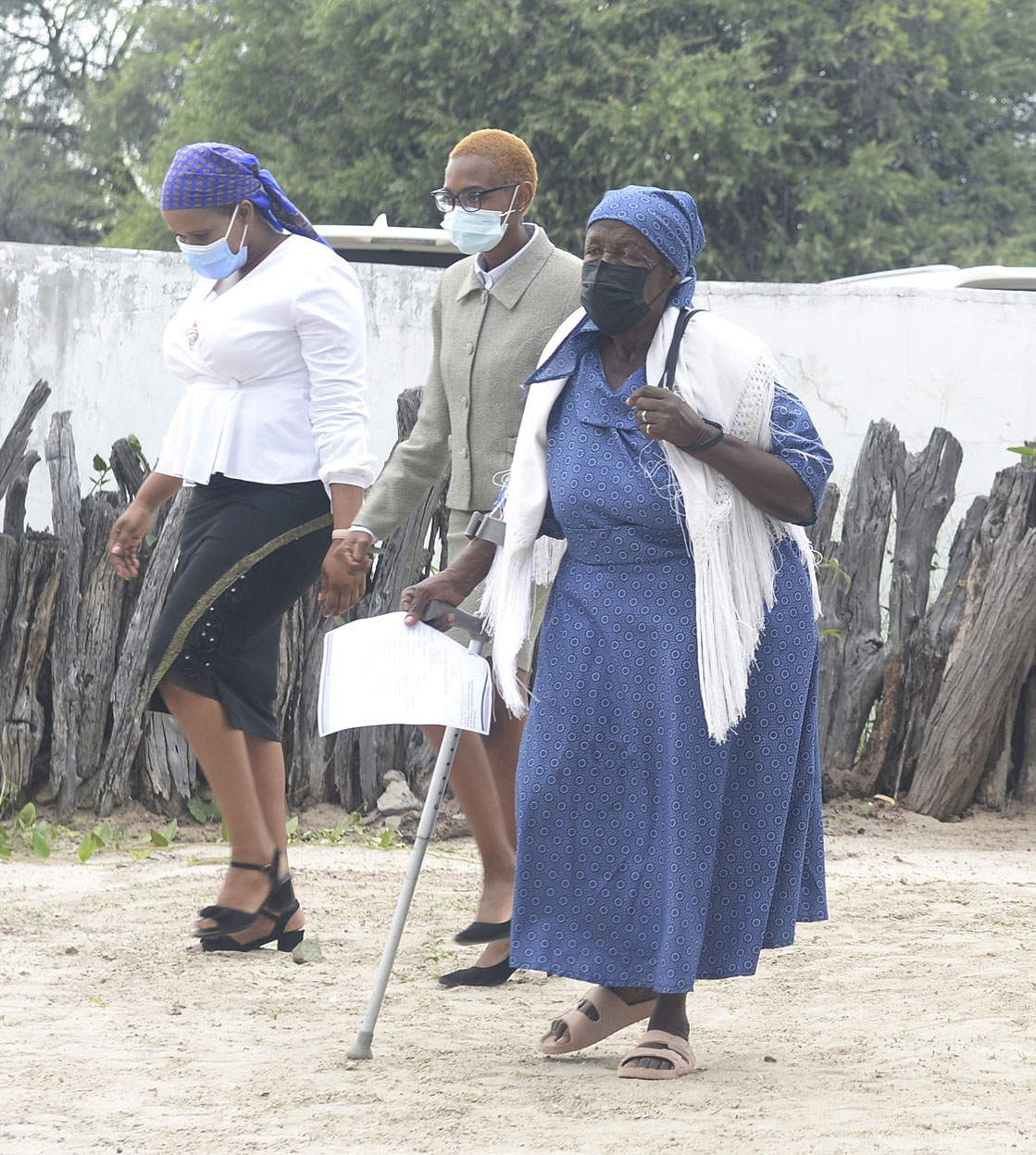
Mr Hensen Seidisa said this when making Wayeyi submissions before the Presidential Commission of Inquiry into Review of the Constitution in Komana yesterday.
He said the bill of rights was a cornerstone of any democracy and as such it should enshrine the rights of all people in the country and affirm democratic values of human dignity, equality and freedom.
While he acknowledged Chapter II of the Constitution and some laws which covered a number of human rights obligations, he pointed out that there were gaps, uncertainties and even contradictions in the protection and promotion of human rights in general that needed to be addressed through a dedicated bill of rights.
Mr Seidisa stressed the need for the state to respect, protect, promote and fulfil the rights in the bill of rights adding that a large number of fundamental rights and freedoms such as the right to freedom of conscience, expression, assembly and association were enshrined in Chapter II.
He also proposed that the human rights mandate should be included in the office of the Ombudsman* or a National Human rights institute be established.
Either institution, he said, should comply with internationally agreed principles relating to the status of national institutions for the promotion and protection of human rights.
He cited the Paris Principles which he said should frame and guide the work of national human rights institutions, which he said should be independent from the executive or any arm of government.
Section 15 of the constitution, he said should also be reviewed and modified in order to comply with the principle of non-discrimination as expressed generally in international human rights treaties.
Mr Seidisa highlighted that in the current three-tiered arrangement, the chiefs of eight Tswana tribes retained a permanent and automatic quota while many other tribes were unrecognised and unrepresented.
The current arrangement, he said, was discriminatory by nature as it excluded and disadvantaged tribes labelled as minorities.
He thus proposed that Section 77 and 78 should allow chiefs from all different tribes to represent their tribes in Ntlo ya Dikgosi, and be given the same recognition as the eight.
A representative of Farmers Committee, Mr Obusitswe Ntirelang called for the establishment of special courts for stock theft.
He expressed a concern that the cases were taking long to be settled and hoped the special courts would speed up their disposal.
Further, he argued, the constitution must actively protect the life of farmers.
He argued there had been incidents where farmers were murdered, and the criminals went scot free.
Because the constitution protected the rights of the perpetrator more than that of the farmer.
Mr Ntirelang also the constitution should deny repeat offenders bail as they often went back to commit other crimes.
“Bail out does not solve the problem…it exacerbates the problem,” he added.
The farming community, he said, was also complaining about deprivation of property as compensation was far less than the market value of their property.
Over the years compensation had been undervalued and thus led to a huge lose to their investments, he said.
“Ka nako ya bolwetsi jwa lekgwafo mo Ngamiland re ne re atsiwa ka P500 tlhogo ya kgomo mme re senyegelwa thata mo thuong ya kgomo. Ka jalo re batla molao motheo o mosha o lebelele dilo tse, o re thuse gore re le barui re kgone go boelwa,” he said throwing back to the cattle lung disease outbreak where farmers received P500 compensation per animal.
He argued that while the constitution stressed protection of free movement to all, farmers no longer felt as there had been an increase in movement of wildlife across the district.
He cited elephants, lions and buffaloes as some of the dangerous animals roaming villages and terrorising communities.
It was therefore important that their movement be restricted so farmers could freely utilise their farm land as and have safe pastures for their animals.
The situation, he said, was worsened by the damaged buffalo fence meant to separate livestock from wildlife as well as to control movement, and asked government to maintain it.
Mr Ntirelang noted that the fence had not been maintained for years which allowed wild animals free movement into villages and farms.
Mr Motshidise Semadi from the Deaf Group called for the constitution to cater for their needs and rights noting that they could not enjoy and have accesses to different services because they needed someone to interpret for them.
He also argued that they were left behind in many areas of life citing employment opportunities.
Some membwers of the deaf community, he said, sat in Village Development Committees in an attempt to earn a living. BOPA *NOTE: Parliament has already approved this aspect and the process to implement this aspect is ongoing.
Source : BOPA
Author : Esther Mmolai
Location : KOMANA
Event : Constitution review
Date : 31 Mar 2022
Related News

07 Aug 2026
Xiplomacy Hosting the world building the future

07 Aug 2026
Xiplomacy Pursuing the greater good for all
06 Aug 2026
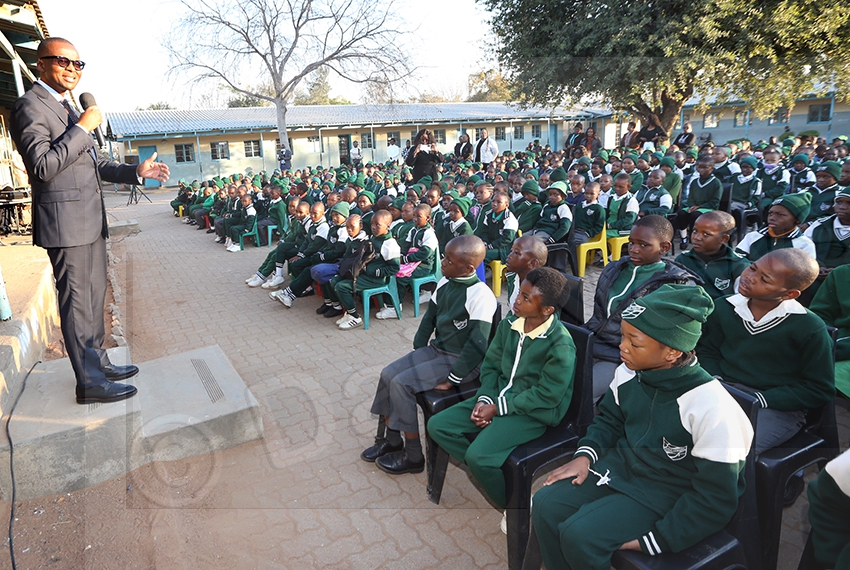
Gaolathe inspires learners to aim high
06 Aug 2026