


Resident wants Botswanas flag changed

21 Mar 2022
The representation of blacks and whites as portrayed by the black and white colours in Botswana’s flag does not entrench the position of indigenous Batswana as the original inhabitants of the country.
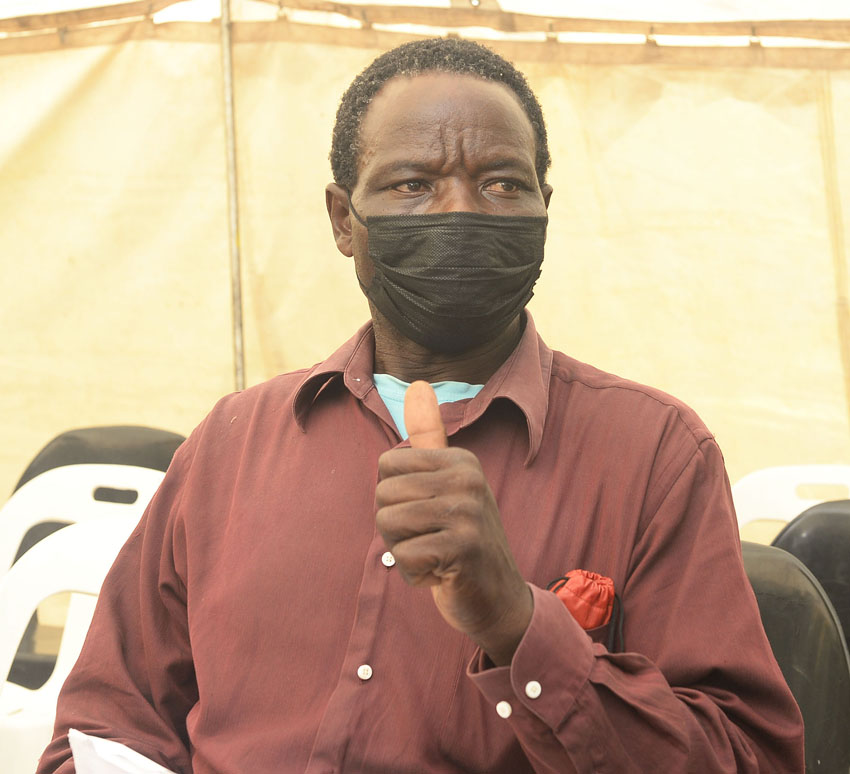
A Kasane resident Mr Chamba Chamba said yesterday in an interview after appearing before the Presidential Commission of Enquiry into the Review of the Constitution that the fact the black colour representing indigenous Batswana appeared underneath the white color representing the whites meant the former would forever remain subservient to the latter.
Total freedom from the influence of the whites would remain a pipe dream.
“Lefatshe le ke la rona mme folaga ya lone ga e supe seo. Mo folageng e, batho bantsho re dikaganyeditswe ke makgoa mme seo fa se sa fetolwe re tlaa tswelela re le ka fa tlase ga kgatelelo ya basweu,” he said.
On an unrelated point, Mr Chamba proposed for the law to provide for youth to be considered for ambassadorship positions.
He said Botswana should be deliberate in empowering its young people to assume high level positions of responsibility.
“These positions have inadvertently been made a preserve of older people, which is wrong. If we [older members of the population] die now, does it mean that our country would be doomed since our young people would be in no position to assume most roles of responsibility?” he asked rhetorically.
Mr Chamba said the law should provide for young people beginning age 35 to be ambassadors, explaining that to fill the positions, applicants should be undergo a rigorous interview processes to determine their suitability for the positions.
The resident also called for the discontinuation of privileges afforded to former presidents.
He argued former presidents should be treated like ordinary pensioners whose livelihoods were not dependent on state welfare.
“Sitting presidents draw a salary and are afforded a lot of privileges. All these can allow them to lead decent lives without support from taxpayers upon completion of their terms,” he said.
Mr Godwin Marumo of Kavimba asked for limitations of entry into Chobe National Park to be lifted to allow for people to move freely through it.
He argued that of all wildlife protection areas, Chobe national park was the only one with curfews in place.
Mr Marumo said the contention by authorities that the arrangement was meant to prevent poaching were unfounded as there were no such incidents in the park.
He added that the rush to beat the curfew often resulted in road accidents for those needing to transit through the park.
In the end he said the arrangement in place was in contravention of the constitutional right to freedom of movement as read under Section 14 of the constitution.
However, regional wildlife officer for Chobe district Mr Matshelo Makondo explained in an interview that all national parks in Botswana were subject to set operating times during which people could access them.
Mr Makondo noted on the issue of poaching that it being minimal was due to strict adherence to the laws governing national parks operation.
He indicated further that the on occasions where special entry passes were issued for access into the park beyond its stipulated operating times, people transiting through the Chobe national park at night at times got into car accidents involving wild animals or had breakdowns and became prone to attacks by wild animals.
He said it was worth noting therefore that the adherence to law was for the safety of members of the public themselves and was not intended to make their lives difficult. BOPA
Source : BOPA
Author : Keonee Kealeboga
Location : KASANE
Event : Interview
Date : 21 Mar 2022
Related News

07 Aug 2026
Xiplomacy Hosting the world building the future

07 Aug 2026
Xiplomacy Pursuing the greater good for all

06 Aug 2026
Gaolathe inspires learners to aim high

06 Aug 2026