


Diplomatic community mourns Palai
22 Feb 2022
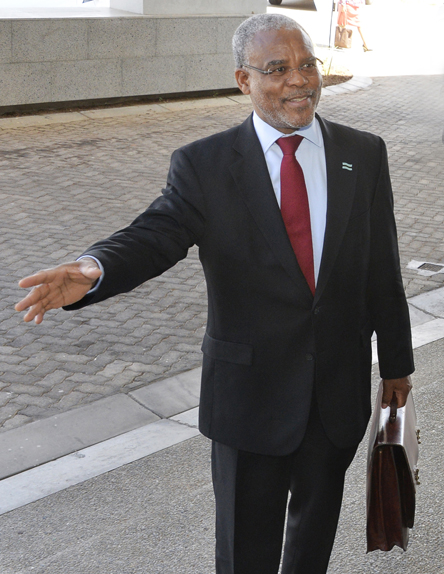
The diplomatic community is mourning Botswana’s consummate diplomat, Ambassador Bruce Palai, 63, who died Sunday at Gaborone’s Bokamoso Private Hospital.
At the time of his demise, he was Botswana`s ambassador to the People`s Republic of China, a position he assumed in 2017.
Having had an illustrious public service career spanning 40 years, Ambassador Palai started in 1982 as a personnel officer at the labour department and rose steadily through the ranks.
Ten years later he assumed the prominent role of commissioner of labour, according to a Ministry of International Affairs and Cooperation media statement.
It says from 2000 to 2004, he served as deputy permanent secretary responsible for political affairs in the Office of the President.
Between 2004 and 2010, he held the position of permanent secretary in various ministries such as Labour and Home Affairs, Justice, Defence and Security and Office of the President.
His diplomatic service career includes serving as the country’s permanent representative to the United Nations in Geneva, Switzerland from 2011 until 2017.
Some of his key contributions in advancing Botswana’s national interests abroad include promotion of its economic diplomacy agenda while serving as chairperson of the World Trade Organisation’s Council on Trade Related Aspects of Intellectual Property Rights in 2014.
As Botswana’s representative in China, Ambassador Palai played an instrumental role in revitalising Botswana-China relations that among others resulted in President Dr Mokgweetsi Masisi’s state visit to the country in 2018.
In an interview, Dean of Botswana’s Diplomatic Corps and Botswana’s ambassador to Belgium, Mr Samuel Outlule said he had known Mr Palai during their university days in 1978 and as a colleague in different ministries.
“I found him to display a good character. He was gentle and very honest person of integrity who had respect for everyone – from classroom, teachers and colleagues at work,” he stated.
Ambassador Outlule said while serving as private secretary to former president, Dr Festus Mogae, he worked closely with Mr Palai who was the then deputy Permanent Secretary to the President.
He said Ambassador Palai was instrumental in trade issues dealing with African and Caribbean Pacific States.
Mr Palai had a good grasp of WTO issues and was well versed in human rights matters and facilitated the country during his tenure as Botswana’s representative in the Human Rights Council, said Mr Outlule.
“He was a very able Motswana in good standing and he did us proud,” he stated.
A colleague who served with the late ambassador in China, Mr Kago Thapa, remembers him as a selfless patriot.
He said Mr Palai paid attention to detail, lived for serving Botswana, was tireless in his support of colleagues in delivering the mission’s mandate and cared a lot about officers’ welfare.
“He was more like a parent at work,” he said.
Mr Thapa said the late ambassador had confidence in his subordinates and gave them the leeway to do the most difficult assignments as long as they remained true to public service ideals.
His mantra was that an officer should always be true to his or her principals especially when briefing them, said Mr Thapa.
He said Mr Palai did not wear his badges around subordinates and interacted with them freely.
“His humble nature made us comfortable around him although we still gave him the respect he deserved,” he said.
Meanwhile, Botswana Public Employees Union president, Ms Masego Mogwera has said Mr Palai was instrumental in assisting the labour movement.
She said he was knowledgeable about labour issues adding that Botswana ratified a lot of labour-related conventions during his tenure as commissioner of labour and Botswana’s permanent representative to the United Nations Office in Geneva.
The labour movement benefitted a lot from him and a lot of issues were resolved during his tenure in Geneva, Ms Mogwera said.
For example; she said he taught them International Labour Organisation (ILO) chain of command, drilling them on the organisation’s structure and operations.
“This was the time when there was hostility between government and labour movement following the 2011 public sector strike,” she stated.ends
.
Source : BOPA
Author : Mmoniemang Motsamai
Location : MOCHUDI
Event : Interview
Date : 22 Feb 2022
Related News

07 Aug 2026
Xiplomacy Hosting the world building the future

07 Aug 2026
Xiplomacy Pursuing the greater good for all

06 Aug 2026
Gaolathe inspires learners to aim high
06 Aug 2026