


Lake Ngami receives low inflow
31 Aug 2020
Lake Ngami is reported to have received low inflows this year.
The lake is a seasonal shallow water body that depends mostly on spills from Kunyere River and rarely from Thamalakane River.
Residents of Sehithwa and surrounding areas anticipated that the lake would be full and bring back life following the 2019 challenges where Ngamiland District experienced severe drought due to drying up of water sources.
In an interview with BOPA, Department of Water Affairs station manager, Mr Keodumetse Keetile, confirmed that the inflow into the lake was low compared to the previous years.
Arrival of water at the lake, he said, started around July 7, adding that six weeks later, the water level was approximately 180mm3.
He stated that the low water levels could be due to various hydrological factors, including high temperatures resulting in surface water loss through direct evaporation as well as percolation into the dry and thirsty sands.
Mr Keetile also explained that the lake did not receive any water during the hydrological year 2018/19 due to insufficient rainfall in the Okavango basin catchment.
He said water in the lake had only covered approximately 13 per cent of the area, which translated to 35.6km² against 274km² of the lake area.
“We anticipate this year’s inflows to only cover at most, about 50 per cent, which translates to 137 km2 of the lake area. The reasons being that the lake was completely dry; the inflows were dropping and as we get into the hot months evaporation rate will increase,” he added.
Asked if they were anticipating more inflows since the floods arrived earlier at Mohembo River, Mr Keetile stated that no more inflows were expected because previous trends showed that the flood waters arrived between June and September annually, depending on the inflows from the Okavango Delta.
Due to the seasonality of the floods, he said the water levels started dropping during the period from October to May of the following year.
Mr Keetile appreciated that the lake played an important role in the economy of Ngamiland because it supported the fishing industry, farming, livestock and tourism.
Since the lake supported both subsistence pastoral and arable farming covering Legotlhwana, Sehithwa, Toteng, Bodibeng, Kareng and Bothatogo villages.
He advised farmers to take extra caution on grazing livestock since drying of the lake might lead to livestock getting stuck and dying in the mud.
He encouraged farmers not to abandon, but maintain boreholes they were assisted with by government for watering their livestock in preparation for the worst case scenario.
Mr Keetile also noted that given the shallow water levels and dense vegetation at the lake, they did not anticipate any boating activities. ENDs
Source : BOPA
Author : Esther Mmolai
Location : MAUN
Event : Interview
Date : 31 Aug 2020
Related News
11 Aug 2026

10 Aug 2026
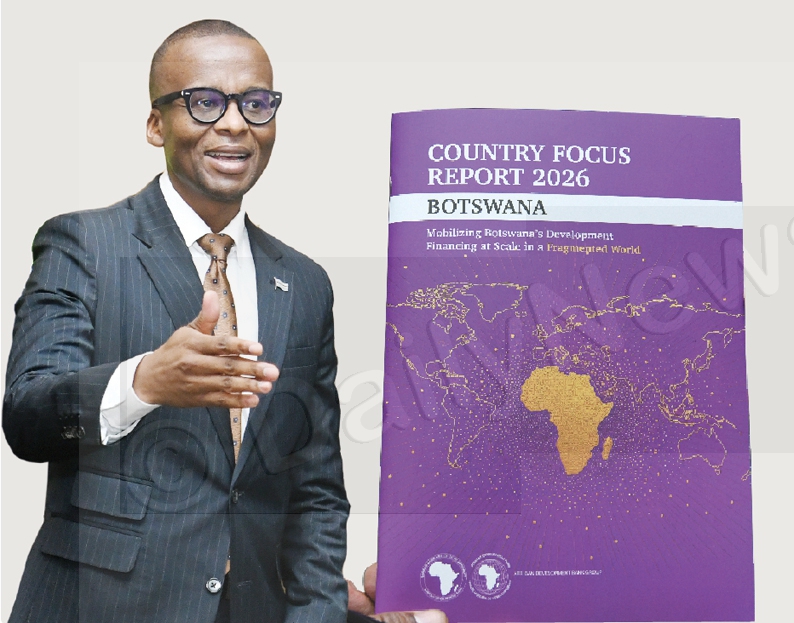
Govt aligns with ADB for viable investments
10 Aug 2026
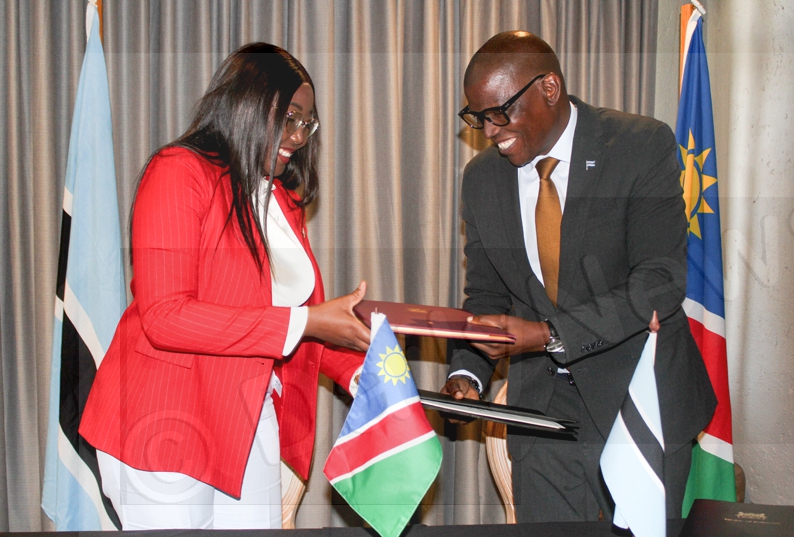
MoU to drive innovation and investment
10 Aug 2026
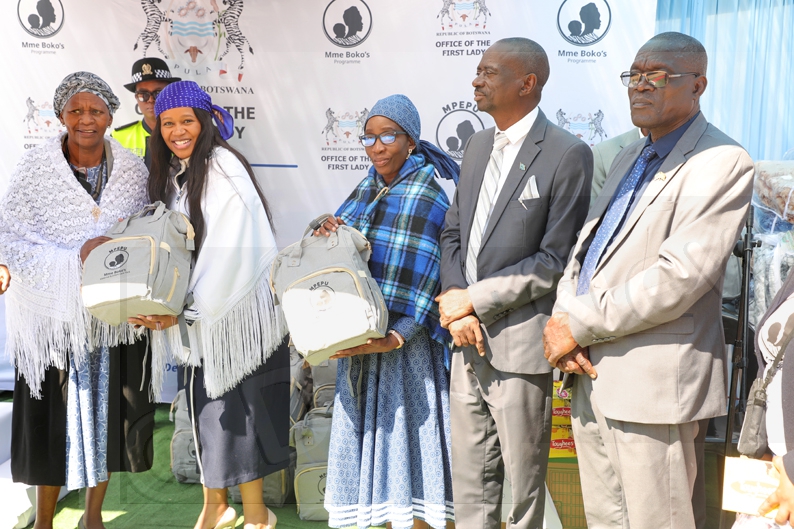
First Lady urges support for teenage mothers
10 Aug 2026