



Citizen empowerment remains pivotal
25 Aug 2020
The Botswana Democratic Party (BDP) led government is concerned about the plight of Batswana and is working on delivering on electoral promises of empowering citizens.
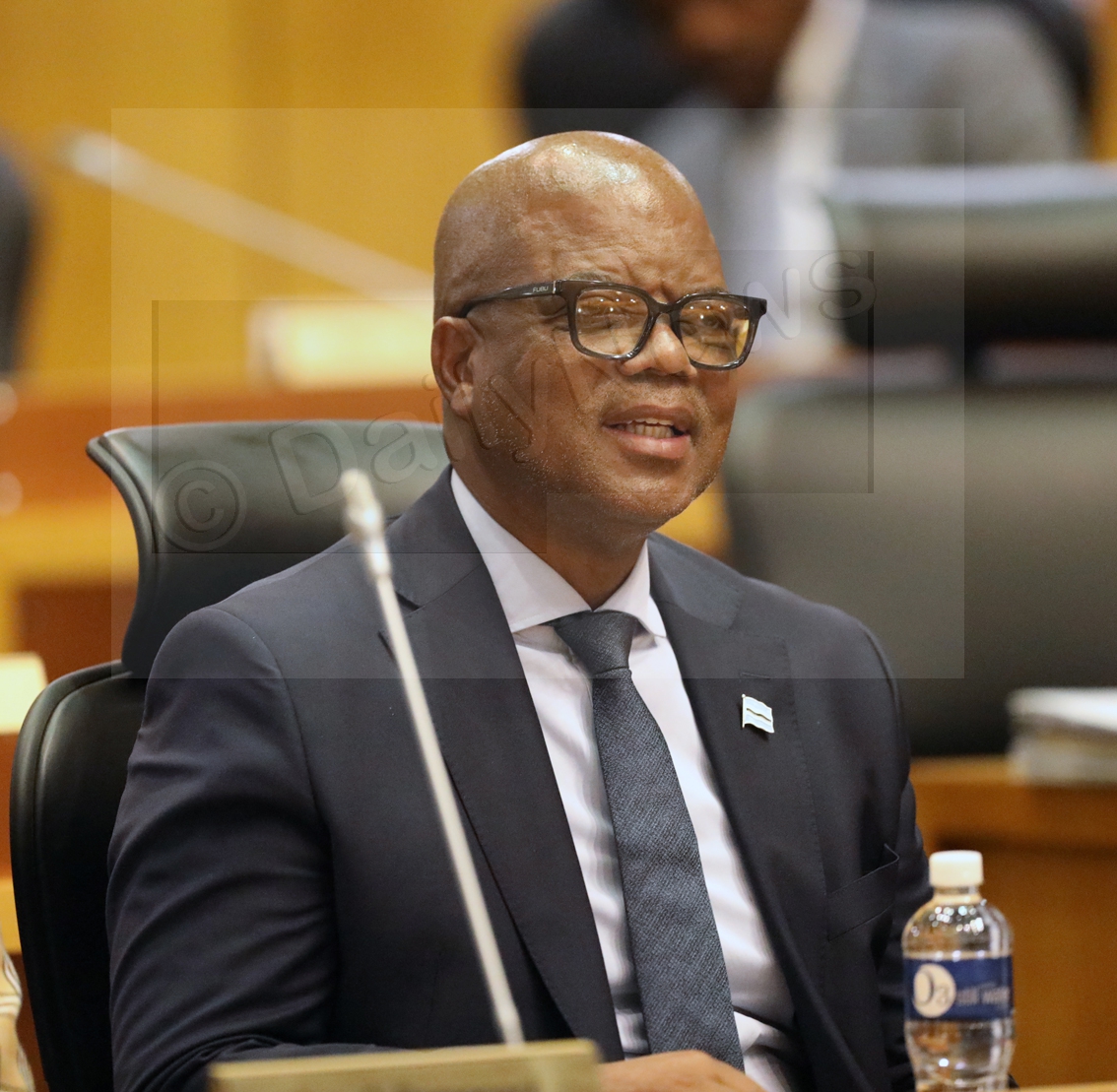
The Minister for Presidential Affairs, Governance and Public Administration, Mr Kabo Morwaeng, said this while contributing to the debate on the approval of the mid term review of the National Development Plan 11 (NDP 11) at the National Assembly on Monday.
Mr Morwaeng, who is also the Member of Parliament for Molepolole South, said government had formulated various policies geared towards ensuring that Batswana benefitted from the country’s economy.
He said notwithstanding the COVID-19 pandemic halting the country’s economic growth, NDP 11 sought to ensure that the promises contained in the BDP manifesto would be implemented to broaden the country’s economic base.
Through the recently amended Citizen Entrepreneurial Empowerment Agency (CEDA) guidelines, Batswana would have an improved opportunity to engage in business and government was also working on boosting agricultural output from domestic farmers, Mr Morwaeng stated.
He said government was working towards ensuring more prudent use of public finances, adding that councils should be encouraged to engage in independent revenue collection initiatives in order to ease the burden on central government.
Mr Morwaeng said government was committed to fighting corruption and that there would be no holy cows left untouched in seeking any public funds that might have been misappropriated.
For his part, the Minister of Transport and Communications, Mr Thulagano Segokgo, said NDP 11 was transformative in its approach, noting that he agreed with the need to boost the country’s export capacity.
Mr Segokgo of Tlokweng constituency, said he was pleased that NDP 11 sought to invest in productive infrastructure as well as equipping people with skills in order for the country’s economy to transform. He further said the proposed spending on expanding the country’s road and rail infrastructure was pertinent for national development and needed the support of legislators irrespective of which part of the country they represented.
Mr Segokgo said productive infrastructure spending entailed constructing roads that linked major tourism centres and potentially strategic trade routes, and these would be beneficial to the country as a whole.
The Tlokweng legislator dismissed notions of development being focused on any particular village or part of the country, stating that since independence, national resources have been evenly distributed, a practice he said still remained constant. ENDS
Source : BOPA
Author : Pako Lebanna
Location : GABORONE
Event : Parliament
Date : 25 Aug 2020
Related News

25 Aug 2026
Forensic audit generates 90 priority actions
25 Aug 2026