



Association raises awareness on sports injuries
15 Dec 2019
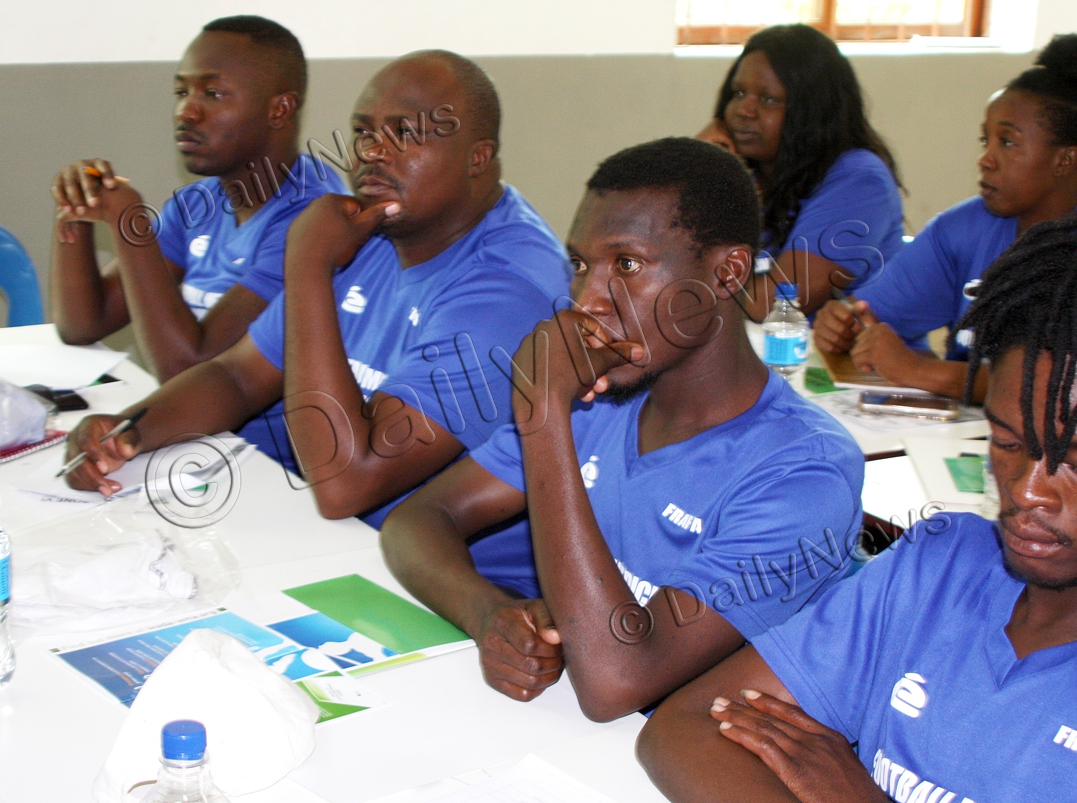
The Francistown Regional Football Association (FRAFA) held a one day training workshop on sports medicine, which was the first of its kind in a region of 41 affiliates.
The workshop delivered on topics such as the position of FRAFA and stakeholders with regard to athlete health, football medicine perspective in Botswana, team medical set up, seasonal medical assessment in a football team, overview of common musculoskeletal conditions in football, injury prevention, nutrition in sports, as well as doping in sports.
FRAFA chairperson (First Division-North), Jonnas Ikgopoleng decried the use of drugs by players in the region.
“If there is any football region affected by drug abuse is FRAFA. Half of the players in a team cannot play without having taken drugs first (motokwane),” he added.
Ikgopoleng said the workshop came at the right time when the football industry and football administrators in the country were faced with many challenges including doping.
He said sports medicine did not only affect football but other sports codes such as netball, volleyball and softball, noting that there was a growing trend in teams, especially in football of losing players who collapsed during the game in the FRAFA region.
“There are players whose career has been cut short by injuries during games,” he said.
Principal programme officer (Francistwon Youth Office), Golesego Siviya said the Ministry of Youth Empowerment, Sports and Culture Development took sports development seriously.
However, Siviya said the ministry alone could not fulfill the mandate without the input of other players.
She said given the level of unemployment rate especially among the youth, talent could come in handy. Siviya further stated that sports was always about results and as such, there was a growing need to have such workshops.
She urged the participants to cascade what they have learnt to other key players as well as advocating for similar training in the future. “Collaboration is very important in this regard,” stated Siviya and further noted that the ministry and FRAFA continued to enjoy cordial relations in the development of sport in the region.
Lecturing on the topic ‘Football perspective in Botswana’, Dr Lone Bogwasi of Nyangabgwe Referral Hospital stated that with football, it was not easy to work in a resource limited environment.
Dr Bogwasi explained that the main aim of the workshop was to raise awareness on sports injuries and work towards building a functional working football system.
He however, stated that football in Botswana had potential to grow because there was a will among sports administrators and football players to admit and accept mistakes and problems.
Meanwhile, Letlhakane-based private physiotherapist, Mpho Bogopa said football was one of the most popular sports around the world highly associated with a high injury rate.
“Infact, football has the highest risk of injury compared to other sports codes,” he said, adding that one of the reason for this elevated risk was because football was a high impact sport.
“Tackling, blocking and other physical interactions between players are common to result with an injury” he stated.
Bogopa further stated that the top most common football injuries include torn meniscus that occured when a player rotated their body while a foot stayed planted which resulted with the twisting of a knee causing meniscus tear.
Others include ankle sprains and strains common in all sports where ankles are susceptible to soft tissues damage when pivoting, changing directions or putting too much pressure on the joint, muscle contusion which causes impact usually on the thigh. This is basically a large, deep bruise that can impair muscle function.
Torn hamstring is another football injury which results from a burst of speed causing the hamstring to tear if the player is not conditioned or properly warmed up.
To prevent injury, Bogopa explained that training at appropriate venues, surfaces with adequate footwear and protective equipment was necessary.
He said, it was important to enforce warm-up and cool down routines as well as drinking enough water based on activity and temperature levels.
Educating athletes on proper nutrition and encouraging proper strength training coupled with mandating pre-competition physical examinations is also important. Ends
Source : BOPA
Author : Thamani Shabani
Location : Francistown
Event : Workshop
Date : 15 Dec 2019
Related News

24 Sep 2026
25 Sep 2026
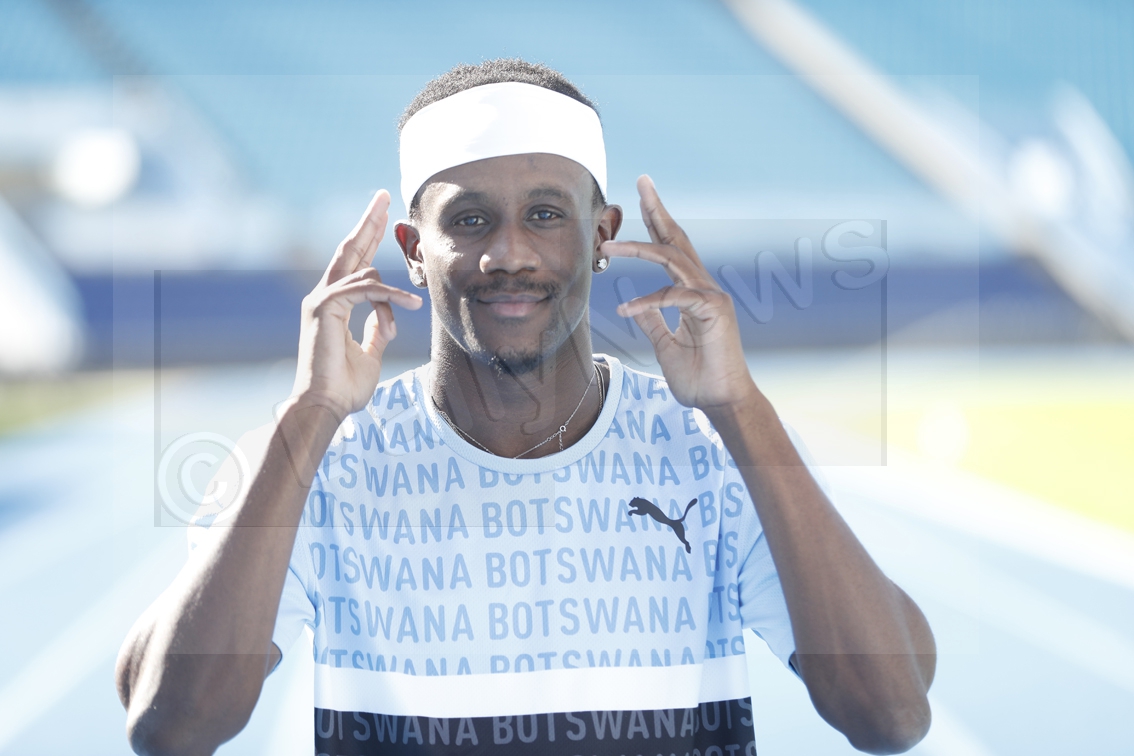
Eppie ready for global individual stage
24 Sep 2026
Botswana celebrates Olympic journey
24 Sep 2026
BFA grassroots teams head to Namibia
24 Sep 2026
Karate team makes Indo Pacific debut
24 Sep 2026