



Power cuts disrupt lives
07 Mar 2019
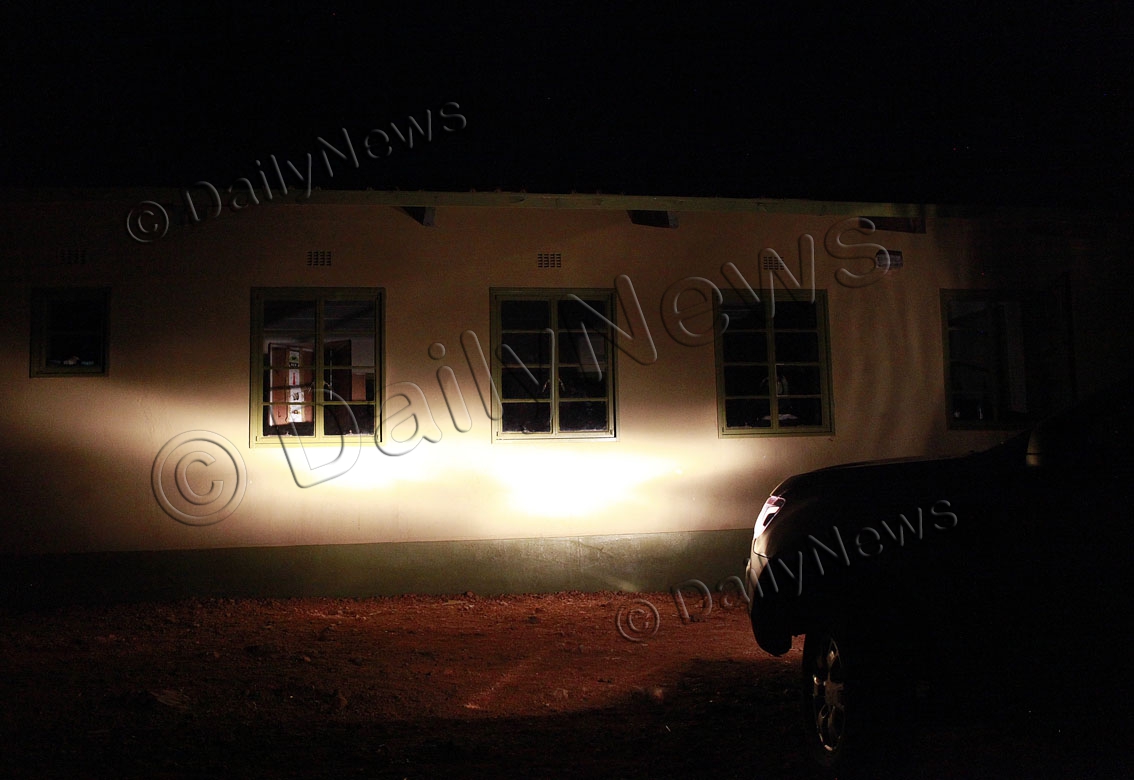
Legislators have described constant power cuts as a detriment to the economy and a disruptive factor in people’s lives.
Contributing to the debate on proposed budget allocations for the Ministry of Mineral Resources, Green Technology and Energy Security on Wednesday, MPs appealed for the ministry to intensify efforts to stabilise electricity supply.
MP for Shashe West, Mr Fidelis Molao expressed concern that electricity supply was often disrupted during bad weather.
He said power cuts disrupted life particularly because they could affect water supply.
On the positives, Mr Molao expressed gratitude that all villages in his constituency, save for Jamataka, had been connected to the national power grid.
On other issues, the MP advised government to speedily consider embarking on soda ash beneficiation so as to create jobs for the many unemployed citizens.
Though hailing the presence of diamond polishing companies, Mr Molao said the number of jobs that had since been created in the diamond polishing sector were not enough given the amount of diamonds the country was producing.
MP Karabo Gare of Moshupa-Manyana said electricity was a basic need hence a reliable supply was necessary.
He said the constant power cuts affected businesses and damaged people’s electrical appliances.
Mr Gare also advised government to relook the issue of electricity distribution as some people in some of the villages could not benefit from electricity connection subsidies due to them being said to be outside gazetted maps.
Further, the legislator implored all ministries to ensure the full utilisation of their budgets as failure to do so negatively impacted on the economy and people’s lives.
MP for Jwaneng-Mabutsane, Mr Shawn Ntlhaile noted that it was disappointing that there was no commitment by government or even a budget to develop the solar energy sub-sector despite the fact that the world was moving in that direction.
On a different matter, he asked government to consider reviewing its 50/50 joint venture in diamond mining, saying the country should increase its stake to at least 60 per cent so it could reap better dividends from its diamonds.
Mr Ntlhaile indicated that the setting up of mines had denied some local communities of their means of survival as they had taken up the land from which they sourced their livelihood.
Suggesting how the situation ought to have been mitigated, he said the law should have been crafted such that mining companies were compelled to give affected communities royalties from the returns they made, particularly because the displacement of such communities often left them poverty-stricken.
Tati West lawmaker, Mr Biggie Butale said time was ripe for Botswana to set up an international mining company so that when minerals eventually got depleted locally, the company could go to other countries and mine there.
He said with years and years of mining, there was nothing that prevented the country from embarking on such a journey.
Regarding green technology, Mr Butale observed that Botswana needed to gravitate towards the use of solar energy as well as to work towards becoming a centre of excellence in solar power production.
For his part, MP Sethomo Lelatisitswe of Boteti East called for the review of the Mines and Quarries Act as it had been overtaken by events.
He said currently, some companies collected soil with diamonds for bulk sampling in other countries; something that he said resulted in losses for government.
He highlighted the need to set up laboratories so that all sampling could be done locally so as to avert the continued losses.
Mr Lelatisitswe further condemned the scale at which mining companies operating locally carried out their corporate responsibility investments, saying they should be helping in more tangible ways such as through the construction of schools and internal roads.
Also supporting the proposals, MP for Thamaga-Kumakwane, Mr Tshenolo Mabeo said Botswana needed to be self-sufficient in electricity production instead of heavily relying on supply from other countries.
He too advised government to consider developing solar energy sub-sector especially since the rest of the world was gradually moving away from coal-based electricity supply.
In addition, the legislator expressed discontent that after 50 years of diamond mining, the country still had no home-brewed technologies relating to the sector that could create jobs for its people.
Gaborone-Bonnington North MP, Advocate Duma Boko said areas around mining towns had astonishing levels of poverty as people there had been displaced from their residential and grazing land.
Adv Boko said people in such areas should be compensated for the losses they had suffered when they were made to move to make way for mining activities.
He also criticised government for lack of commitment to empowering citizens, adding that government should consider setting up micro power grids across the country and thereafter empower communities by giving them a stake in the power sub-stations. Ends
Source : BOPA
Author : Keonee Kealeboga
Location : Gaborone
Event : Parliamnet
Date : 07 Mar 2019
Related News

25 Aug 2026
Forensic audit generates 90 priority actions
25 Aug 2026