


Africa faces low productivity competitiveness
08 Nov 2017
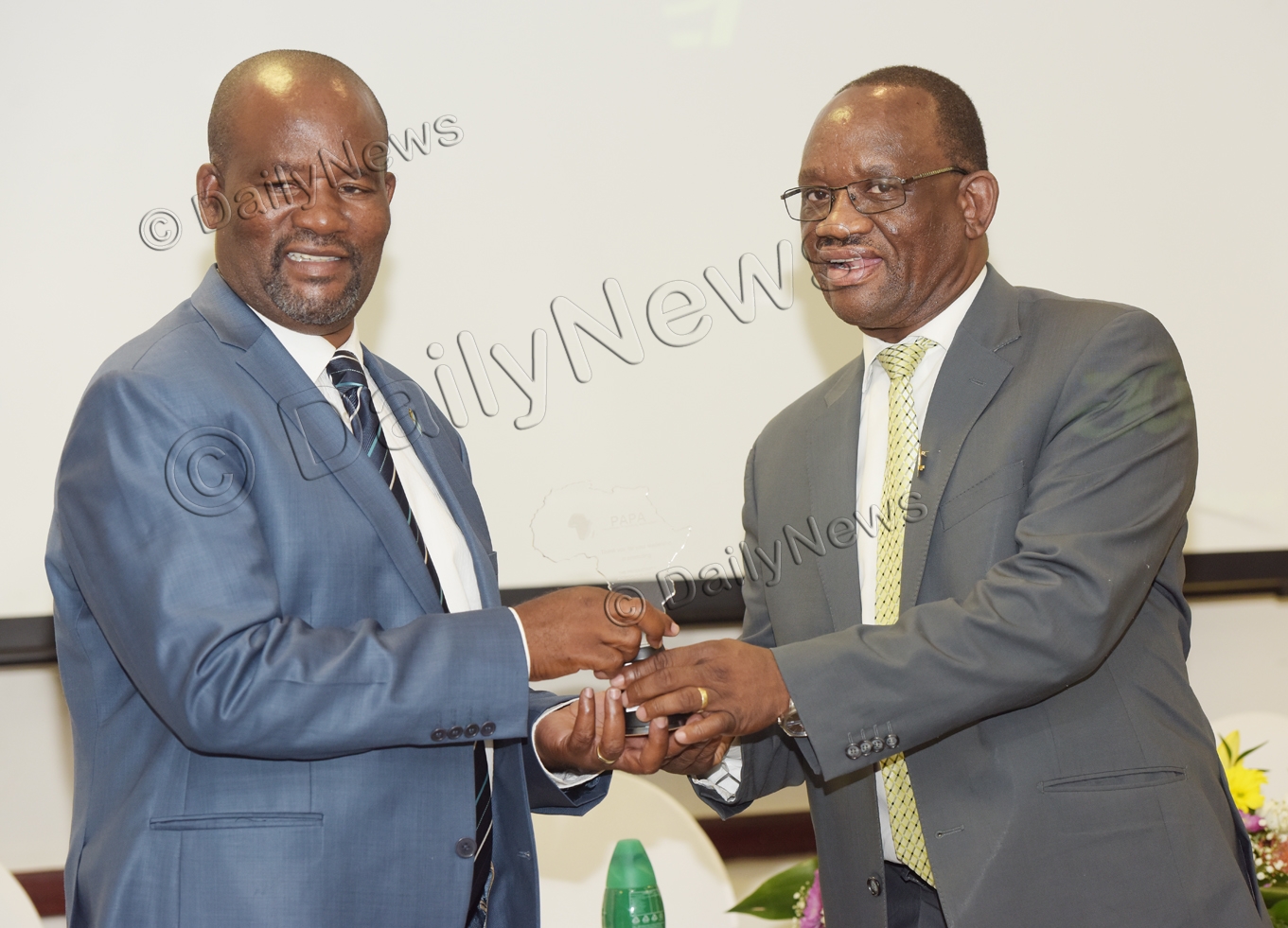
Deputy Permanent Secretary in the Ministry of Labour Productivity and Skills Development, Mr Claude Mojafi says Africa in general is faced with challenges of low productivity and competitiveness.
Officiating at the 8th General Assembly of the Pan-African Productivity Association (PAPA), Mr Mojafi said according to the Global Competitiveness Report (2017-2018), Sub Saharan Africa's competitiveness index has not changed significantly over the last decade.
Mr Mojafi said the Africa Competitiveness Report (2017) also points to the fact that trends in Africa's competitiveness remain largely stagnant.
He stated that indicators are that most challenges highlighted in the Africa Competitiveness Report series since its first publication almost 10 years ago persist, citing that these include large infrastructure deficits, skill mismatch, slow adoption of new technologies and weak institutions.
“These factors, in addition to weak financial sector development and low levels of regional trade and integration, emerge as the main bottlenecks that prevent African economies from offering an environment that facilitates better employment and entrepreneurship opportunities to their citizens,” he said.
Mr Mojafi said Africa has made significant progress on a number of crucial competitiveness dimensions over the past decade.
He highlighted that the positive trends on governance and business environment highlighted by the 2015 edition of The Africa Competitiveness Report are continuing especially in areas such as the quality of macroeconomic policy and human capital development.
On the issue of health, he said that progress on health and literacy has been particularly remarkable citing that child mortality sharply declined from 83 to 47 per cent and at primary schools, enrollment has grown to above 80 percent.
He said that the agenda to improve productivity and competitiveness should take into account broad areas like poverty alleviation, employment creation, labour standards and sustainable development in consonant with Sustainable Development Goals (SDGs).
Mr Mojafi noted that while it is the expectations that productivity institutions should lead in defining and developing clear-cut productivity standards, measurement frameworks and appropriate communication tool as well as educating and informing their nations about the relevance of productivity and competitiveness, governments should equally come on board and lead in productivity and competitiveness related policy administration and legislation.
On the other hand, he said, the business and the civil society should respectively lead in production processes and resourcing initiatives geared towards improving productivity and competitiveness whereas labour movements would be expected to advocate for a good conditions of service and enabling environment for workers.
He said that this can only be possible if there is leadership in every sector that possesses appropriate governance credentials all levels. ENDS
Source : BOPA
Author : Goweditswe Kome
Location : GABORONE
Event : Pan-African Productivity Association 8th General Assembly
Date : 08 Nov 2017
Related News

21 Aug 2026

20 Aug 2026
Botswana Donates FMD Vaccines To Lesotho

20 Aug 2026