


Okavango delta mirage of life - UNESCO
12 Sep 2017
A representative from United Nations Educational Scientific and Cultural Organization (UNESCO), Dr Richard Silberberg says Okavango Delta has a long life to be cherished just like other sensitive areas such as the Victoria Falls in Zimbabwe.
He said the future life of the delta was in the hands of the people who lived around it as well as the government.
He said during the Wetlands Biome Trust Association (WBTA) when briefing the gathering about the status of sensitive environments.Briefing
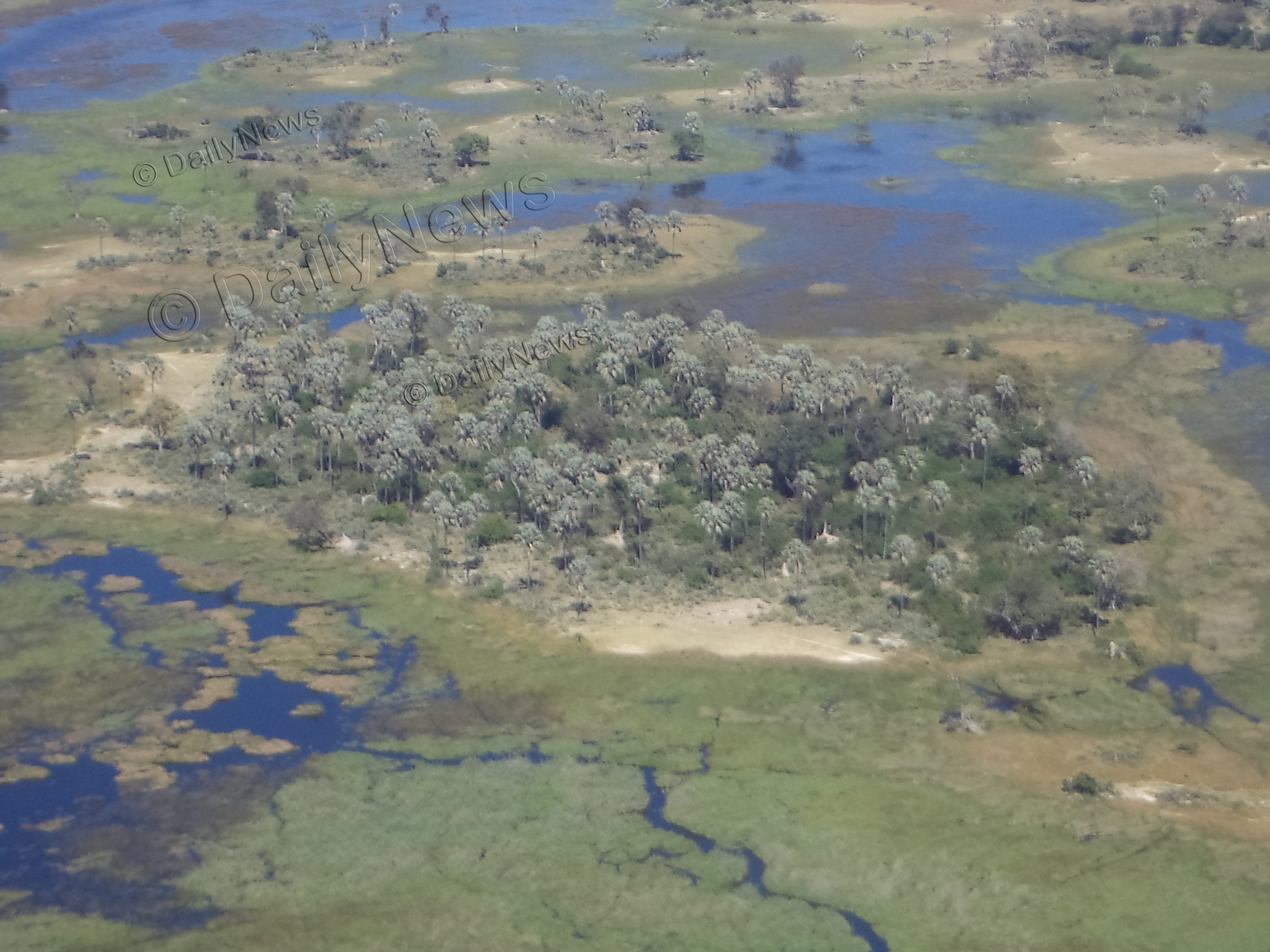
Dr Silberberg said the delta concentrates life into a finite world that is both delicate and dangerous. It is a place where water is the driving force that sustains a maze of underwater jungles with a complex and beautiful ecosystem that mirrors the land above it.
Furthermore, he explained that Botswana was considered a success story of conservational tourism and was now being used as a bench marking model for other nations wishing to take the same path.
“Botswan President’s conservative approach for sensitive areas such as the Okavango helped ordinary citizens to benefit immensely from the delta with Botswana gaining golden recognition courtesy of its policy on natural resources,” said Dr Silberberg
He also highlighted that the introduction of both the black rhinoceros (diceros bicornis) and the white rhinoceros( ceratotherium simum) into the Okavango delta was a milestone which indicated that indeed there was no better place for wildlife other than the mighty Okavango delta.
He further said that the listing of the Okavango Delta by the UNESCO as a world heritage site came as a milestone for Botswana because now most of Botswana’s cultural activities are now globally documented.
He said the 1 000th listing of the Okavango delta had so far generated massive international visitors into the delta.
An independent researcher, Dr Aron Makgoa said the origins of the Okavango are linked to the Great African rift valley which is primarily the result of the movement of the earth’s tectonic plates.
He said the waters of the Okavango originated from Angola’s wet Beguela highlands which received the highest amount of rainfall in the region.
He shared that the Cubango River sailed downwards from Angola into Namibia, where it was known as Kavango and ultimately entering Botswana at Mohembo to become the Okavango where the fate of the river was determined by a series of fault lines deep below the desert surface.
He further elaborated that the Okavango was divided into three sub regions known as the panhandle; that is where the river entered the country, the permanent swamp is where perennial rivers were found and the lower part of the region known as the seasonal swamp was where the flood waters dried up after some time.
Dr Makgoa further said that the waters were forced to meander around the place due to different factors of which among others were soft and hard edges of the earth crust as well as soil types creating a twisted spectacle of paths when viewed from above.
He said these waters were a major lifeline of aquatic life such as fish which remained a delicacy to many African tribes.
“Crocodiles feed on the barbell fish while the surviving barbell takes on the smaller fish as a result forcing this fish to descend further downwards to lower places such as the Thamalakane River, Lake Ngami, Boro and the Boteti River and by so doing supporting the communities living along those river banks with food (fish),” Dr Makgoa clarified.
A village elder from Boro settlement, Ms Omphile Maditse sharred with the gathering on how water lily (Nymphaea nouchali), commonly known as ‘tswii’ and the ornamental palm (hyphaene pertesiana ) locally known as “mokolwane” played a role in their lives.
She observed that the tubers were an important element of the diet of local people before and during the rains.
She explained that the thick parts of the roots were sliced and either boiled or roasted with meat to season and tenderize the meat while the flowers were used as a spice and seeds were also edible.
She said that they could either sell or trade with Tswii to earn a living. ENDS
Source : BOPA
Author : Ketshegilwe Killer
Location : SAVUTI
Event : Briefing
Date : 12 Sep 2017
Related News

21 Aug 2026

20 Aug 2026
Botswana Donates FMD Vaccines To Lesotho
20 Aug 2026