

Okavango delta in serious jeopardy
11 Dec 2016
The existence of Botswana’s iconic 1000th world heritage site, the Okavango Delta is in jeopardy if Angola whose rivers feed the delta continues diverting water for their commercial interests.
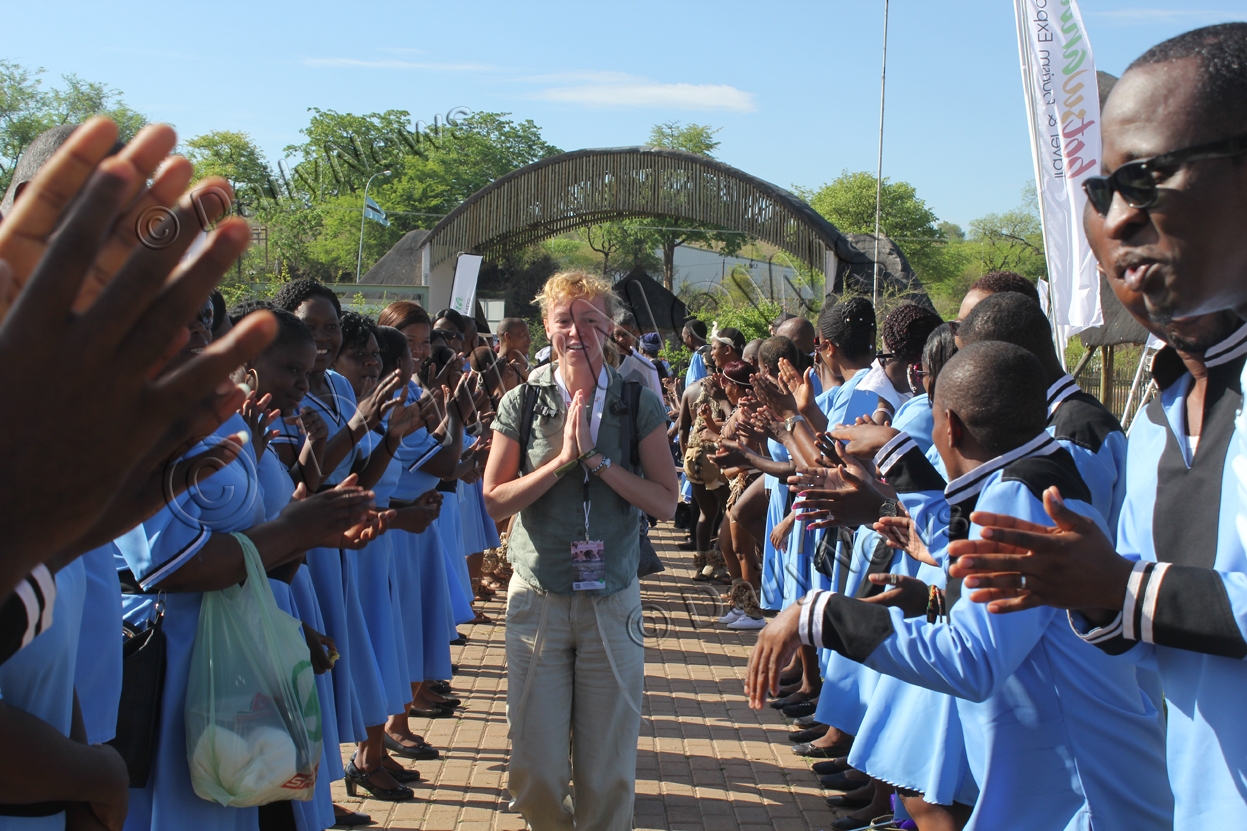
This was said by the Minister of Environment, Natural Resources Conservation and Tourism, Mr Tshekedi Khama at a recent press briefing during the Botswana Travel and Tourism Expo (BTTE).
The minister said that Angola was undertaking agricultural projects which are diverting the normal flow of water from the Angolan highlands into Botswana’s Okavango Delta. This is in spite of an OKACOM tripartite agreement in
place between Namibia, Botswana and Angola which all three countries are signatories to.
“We have tried to voice our concern over this issue with OKACOM, with the Angolan minister responsible, the International Union for Conservation Nature and even the Chinese company which is carrying out these developments, yet this has not stopped,” Mr Khama said.
As a solution to this impasse, Minister Khama said they have proposed a tourism model to the Angolan government as a way of ensuring that their country also benefits from the Okavango Delta. “I also engaged their minister at a conference recently and his response was also promising,” he added. Developments however still have not ceased.
The OKACOM Agreement which Botswana, Namibia and Angola are signatory to, commits the three member states to promote coordinated and environmentally sustainable regional water resources development, while addressing the legitimate social and economic needs of each of the triparian states. Additionally, by being signatories, the three countries recognise the implications that developments upstream of the river can have on the resources downstream.
Due to these ongoing developments, residents of the Delta have also raised concerns that water levels have decreased drastically in the last two years. In another environment related matter, Minister Khama has explained that he does not have any problem with imported cars or ‘grey imports’ entering Botswana. “However we can charge them carbon tax to ensure they have acceptable levels of carbon emissions,” he noted. ENDS
Source : BOPA
Author : Ludo Chube
Location : KASANE
Event : press briefing
Date : 11 Dec 2016
Related News
24 Aug 2026
24 Aug 2026
Government achieves core goals

25 Aug 2026
WUC brings hope to Hereford Primary
25 Aug 2026
Region celebrates staff
24 Aug 2026