

Foreign affairs must strive for zero tolerance approach to corruption
31 May 2013
Ministry of Foreign Affairs and International Cooperation, as a mirror of Botswana to the international community, must take a zero-tolerance approach to corruption.
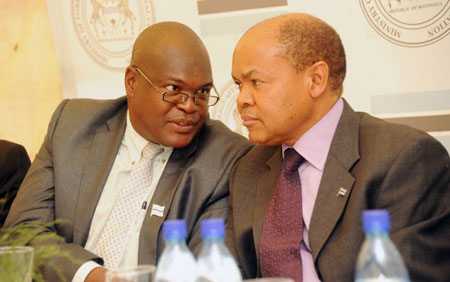
Launching the ministry’s Anti-Corruption Policy Statement on May 30, permanent secretary in the ministry, Mr Lapologang Lekoa said as the custodian of Botswana’s foreign policy, the ministry must make sure that its dealings with customers and stakeholders, “must not only be done, but seen to be done”.
Mr Lekoa said as a ministry charged with the overall responsibility to promote and manage foreign relations as well as advance Botswana’s interest abroad, there was need for it to be corrupt free. He said the corruption prevention policy would therefore be critical in responding to and addressing all matters relating to the fight against corruption.
Mr Lekoa further explained that the ministry recognised corruption and fraud as a common challenge to any organisation and has put in place some corruption prevention measure with a view to reducing incidences of corrupt practices.
This included establishment of the corruption prevention committee (CPC), maintenance of the gift register, establishment of procurement committees at abroad missions, establishment of a risk register as well as establishment of a training board.
He said the ministry’s corruption prevention committee would help in dealing with corruption risk prone areas such as recruitment processes, internal promotions, nepotism and favouritism, collusion with suppliers, misuse of vehicles and equipment and bias reporting.
The permanent secretary further explained that the mandate and operations of the CPC was to keep constant checks on the ministry’s operations and procedures to ensure that there were no opportunities for corruption.
Other responsibilities included ensuring that all corruption prevention initiatives were integrated in the ministry’s policy document, sensitise staff on issues relating to corruption, undertake risk assessment within the ministry and come up with anti-corruption prevention measures.
The senior management would also ensure that all staff were aware of the overall anti-corruption and fraud policy objectives and carry out their duties and responsibilities for prevention, amongst others.
For his part, Directorate on Corruption and Economic Crime (DCEC) chief anti-corruption officer, Mrs Mophuthulodi Molatudi said being rated the least corrupt country in Africa did not mean that Botswana did not experience any corruption.
She said corruption, like HIV/AIDS, was one of the cross-cutting issues that required a multi-sectoral approach hence the need for everybody to rally behind prevention of the scourge.
Mrs Molatudi cited the release of unauthorised and security information as some of the corrupt practices that were common in government departments and ministries. ENDS
Source : BOPA
Author : Thamani Shabani
Location : Gaborone
Event : Anti-Corruption Policy Statement launch
Date : 31 May 2013
Related News

21 Jun 2026

18 Jun 2026
Commission targets youth empowerment

18 Jun 2026
Countries commit to partnership

18 Jun 2026