

Poverty level declines since independence
11 Sep 2016
When Botswana gained independence from Britain in 1966, it was one of the poorest countries in Africa with a Gross Domestic Product on around US$70 per capita, says Anglo American chief executive officer, Mr Mark Cutifani.
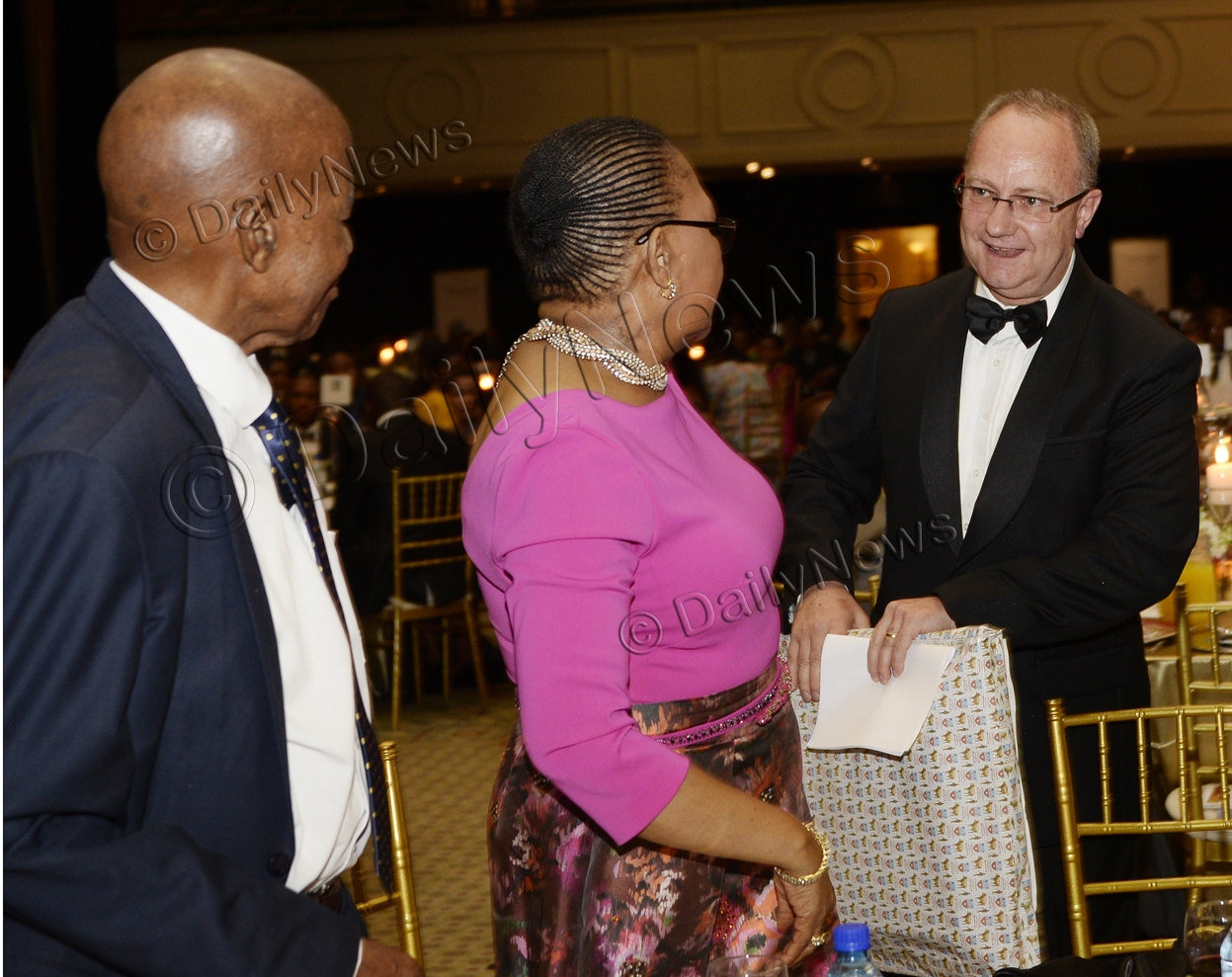
Speaking at the University of Botswana’s 12th Annual UB Foundation Dinner Dance, Mr Cutifani said national infrastructure was virtually non-existent with no electricity generation capacity and only 12 kilometres of tarred roads.
Mr Cutifani said in 1966, there were approximately 40 graduates and about 100 secondary school graduates in a population of 600 000 people. He noted that Botswana was a mature democracy with free and fair elections and a poverty rate that had declined from 50 per cent at independence to less than 20 per cent to date. Mr Cutifani said currently,there is more than 7 000 kilometres of paved roads, more than 300 secondary schools, 95 per cent of the population live within eight kilometres of a health facility while primary education is free and the enrolment rate reached 90 per cent.
“Botswana has been one of the fastest growing economies and has managed to avoid the worst effects of the resource curse by developing and managing its diamond resources with long-term development goals in mind.”
He said, “Its intellectual capital, borne of inherent capacity and nurtured and development through education is a key part of this success story.”
Botswana’s education expenditure had been among the highest in the world averaging eight per cent GDP per annum over several decades and accounting for more than a quarter of total government spending adding that this includes the provision of nearly universal and free primary education, he said.
Mr Cutifani observed that as the economy continued to diversify, the demand for quality education would continue to grow supporting the creation of a virtuous learning, development cycle and economic growth.
“Skills development and continued education are at the core of our approach to developing our workforce and supporting our local communities just as education and targeted training will be fundamentally important in shaping an even more successful future for Botswana,” he said.
For his part, UB Foundation chairperson, Mr Satar Dada noted that “as Batswana celebrates their 50 years of independence, they should reflect on a history that they should stand proud and united.’
Mr Dada said University of Botswana (UB) reflects true Setswana culture of self-reliance (ipelegeng) where Batswana came together in unison to contribute to the establishment of their highest institution of learning. He said UB began as a part of a larger university system known as UBBS (University of Bechuanaland (Botswana), Basotholand (Lesotho) and Swaziland which was founded in 1964 to reduce the three countries’ reliance on South Africa for tertiary education. ENDS
Source : BOPA
Author : Goweditswe Kome
Location : GABORONE
Event : Dinner dance
Date : 11 Sep 2016
Related News

28 Aug 2026
When patriotism meant everything
28 Aug 2026
Teacher registration protects students
28 Aug 2026
