MoA intensifies fight against corruption
22 Aug 2016
The Ministry of Agriculture (MoA) is making inroads in its fight against corruption as part of government's broader plan to combat the scourge; a senior MoA official has revealed.
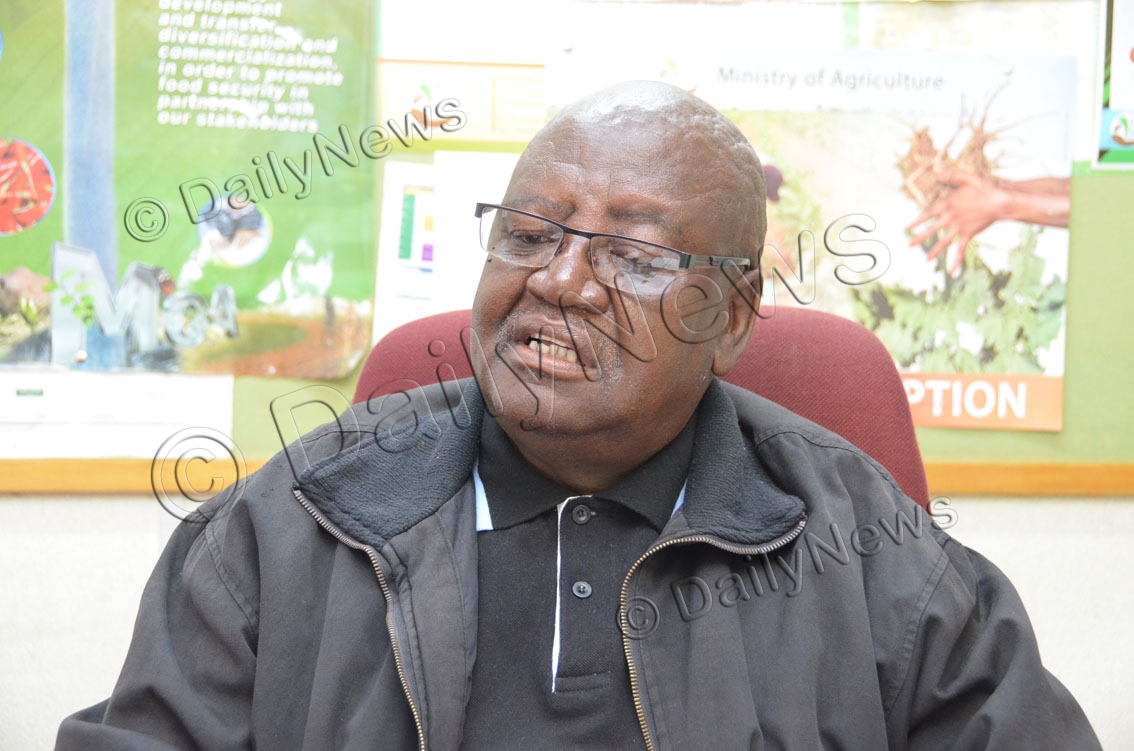
In an interview, the Anti Corruption Unit (ACU) Coordinator in the MoA, Mr Moitaly Thokweng said they haD institutionalised measures to prevent the misuse of government resources within the ministry.
“We have published a Corruption Prevention Policy document with a code of conduct and ethics as well as implementation guidelines, with the minister and senior officials committing themselves to its achievement.
This was subsequent to the government setting out rules and regulations as well as legal statutes to regulate and guide the professional behavior of public servants,” he said.
Mr Thokweng said that the policy document has been rolled out to MoA officials across the country, and the ministry structured to have internal anti-corruption prevention focal persons across Botswana.
“We have the Anti-Corruption Unit, which engages in the investigation of potential corruption, audits, transaction monitoring, releasing relevant documents, looking for potential loopholes within our system and rectifying them as well as referring relevant cases to the Directorate on Corruption and Economic Crime (DCEC),” Mr Thokweng said.
Furthermore, the ministry has a Corruption Prevention Committee (CPC) headed by the permanent secretary, who oversees the departmental CPCs, which exist in all MoA departments led by each director, as well as regional CPCs led by each District Agricultural Coordinator.“Across the country we have focal persons, that is officers designated to spearhead CPCs committees at sub-district level. We are ministry that offers services to the public, and we sensitise our employees, and the public we serve about potential areas of corruption,” Mr Thokwana said.
He said that members of the public who access services from officers such as agricultural demonstrators, and veterinary officers should know that these are government employees who are paid for their duty, and farmers do not need to compensate them for any work done in their farming fields or cattle posts.
Mr Thokwana said that there has been an increased awareness of what corruption is within the ministry.
“Perhaps in the past there was a lot of naïvety about certain aspects of corruption, but after we sensitized our employees, and seen a rise in general awareness.
This has led to a high number of cases being reported after we formed the CPU and CPCs; more a case of greater awareness as opposed to increased corruption. By effectively dealing with these cases they are becoming less,” he said.
Mr Thokwana further revealed that they have introduced pamphlets and customized posters at their offices across the country, and communicate through officers at a farmer's day events and interaction with farmers association across the country.
These MoA initiatives are part of the government's pledge to fight corruption, one of the five key priority areas for which include making job creation a number one priority; taking Batswana out of poverty; increasing education funding; eliminating mother to child transmission of HIV and fighting corruption in all its manifestations. Ends
Source : BOPA
Author : Pako Lebanna
Location : Gaborone
Event : Interview
Date : 22 Aug 2016
Related News