SADC tackles migration challenges
21 Aug 2016
Regional labour exporting guidelines for intra-regional mobility within SADC provides key recommendations in line with regional and international standards and framework to assist SADC member states to develop policy solutions and approaches towards improved migration within the Southern African region.
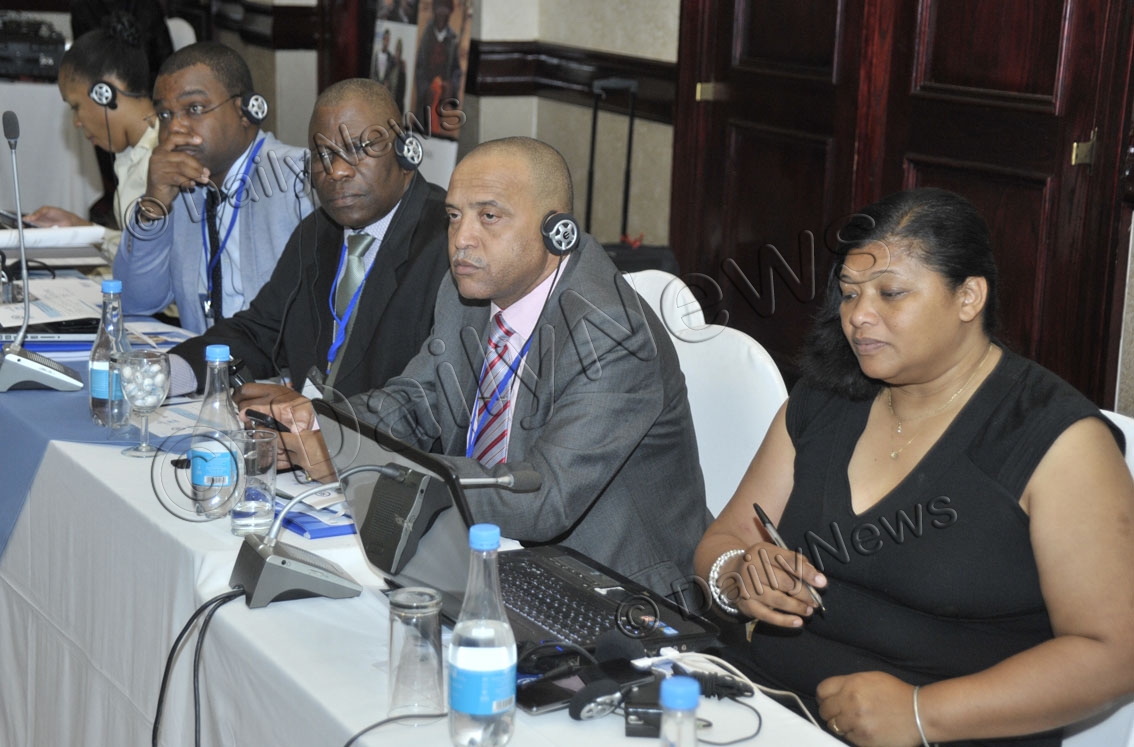
A consultant engaged by the International Organization for Migration (IOM) Mr Joomun Gilles told participants of the Migration Dialogue for Southern Africa conference that the assessment was carried out in Democratic Republic of Congo, Madagascar, Malawi, Mauritius, Mozambique, Namibia, Tanzania, Zambia and Zimbabwe.
Mr Gilles said areas that were covered in the framework include welfare protection framework, policy and regulatory framework, institutional framework and inter institutional coordination.
He said other frameworks were regulation of private employment agencies, role of public employment services and vetting framework for mutual recognition of qualification.
He said most countries within the SADC region have not dedicated a specific and unique structure to regulate and manage inward and outward labour migration.
Mr Gilles noted that several ministries involved in coordination of labour mobility leads to confusion and inefficiency in the management of labour mobility.
“A clear institutional structure is critical for the smooth management and coordination of labour migration,” he said it is proposed that the Ministry of Labour takes the role of the coordinating body with some institutions or bodies having specific roles,” he said.
He said that at regional level, several instruments have been developed by SADC members to promote rights based labour migration yet there is a low level of commitment towards regional protocols.
The consultant said policy and regulatory frameworks on labour migration should aim for three objectives which are to set up a proper management mechanism covering the entire labour migration cycle, to leverage the developmental impact of labour migration and to ensure the well-being of migrant workers and their families.
He observed that national policies on labour migration should align with labour market needs, international, regional migrant trends and standards.
Another consultant Ms Aurelia Segatti said historical SADC Bilateral Labour Agreements (BLAs) calls for stock-taking and lesson-drawing.
Ms Segatti noted that protection of very vulnerable types of workers in sectors known for high decent work deficits are new issues to be addressed.
She said if poorly prepared and managed, BLAs may expose already vulnerable workers to abuses and exploitation adding that this may aggravate brain drain and may create transnational corruption networks at the same time facilitating smuggling and trafficking in persons.
She also said this may trigger new unanticipated sources of instability for already fragile labour markets at the same time exposing governments to scandals, negative public opinion and international exposures. Ends
Source : BOPA
Author : Goweditswe Kome
Location : Gaborone
Event : Conference
Date : 21 Aug 2016
Related News