All must work hard - Kgari
15 Aug 2016
Batswana have been called on to work hard to further national success and to ensure continued peace as well as democratic practices envied by other nations.
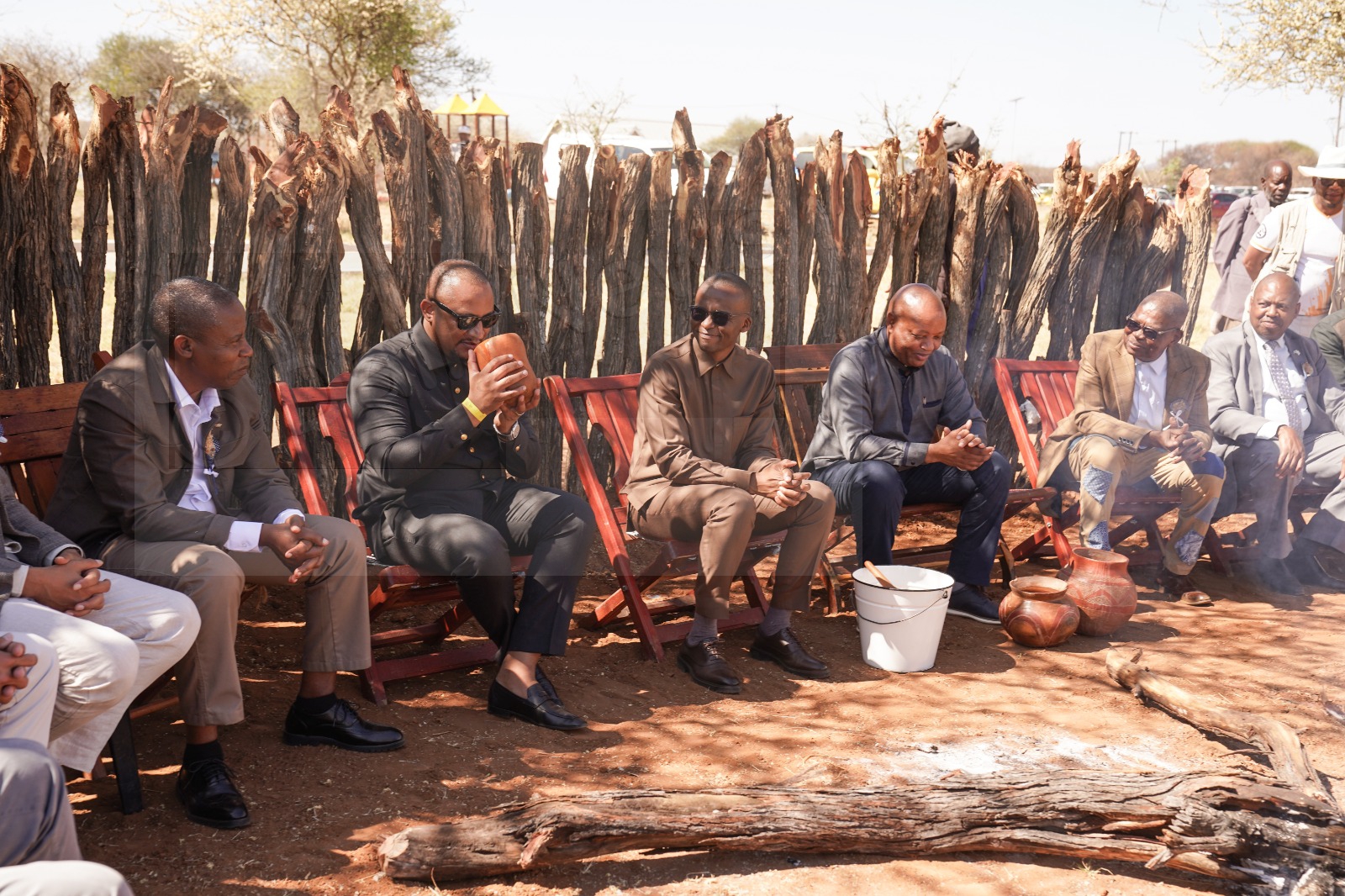
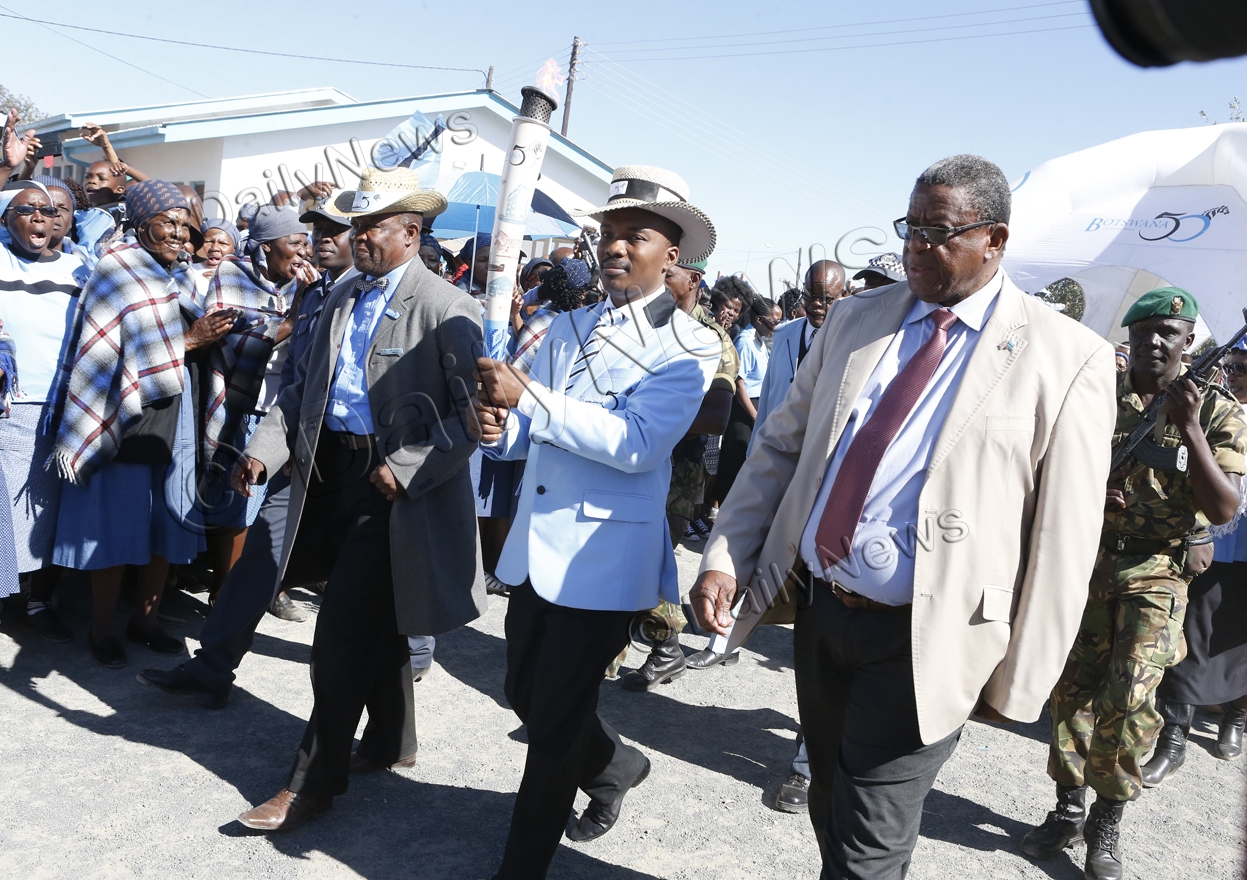
Speaking during the arrival of the roving torch in Molepolole, Kgosi Kgari Sechele III said all wherever employed or rendering service must do it with utter most diligence to fellow mankind to help ensure prosperity and development.
Kgosi Kgari said the celebrations were part of nation’s stock taking and reflection on achievement realised and to map new strategies to achieve even more to improve on the livelihoods of Batswana.
He said the celebrations and the torch were a beacon of hope, unity and continuous strengthening of democratic ideals Botswana has come to be known for; the feat he called on all to nurture and jealously protect, if future generations were to enjoy sovereign rights enjoyed today.
Kgosi Kgari said peace and democratic culture enjoyed in Botswana were foreign in other countries where civil strife was order of the day.
Bakwena who came in droves were taken through their cultural norms and historical origin and the rough patch the tribe went through during the Boer wars and other Tswana speaking tribes, and how such wars were won to earn Bakwena a respect from colonial masters who would later regard them as a principal tribe of Bechuanaland.
Kgosi Keineetse Sebele narrated to the fully packed Kgotla how Sechele shaped not only a formidable Bakwena tribe, but also contributed to future Botswana, by being put at bay by enemies of Bechuanaland, such as the Boers.
He also narrated how Sechele fought at Dimawe (current Manyana) and even during the Mafikeng Siege where his Canon helped to drive out the Boers from Barolong lands at Mafikeng. Sechele’s canon is still housed at the Imperial Museum in Mafikeng, South Africa.
According to oral historian Kgosi Keineetse, Bakwena did offer protection or refuge to smaller tribes persecuted by other tribes whilst always striving to maintain peace with all tribes and colonial rulers.
He said Bakwena were respected across boarders as evidenced by Basotho who entrusted their Kgosi to take with him the King Moshoeshoe who was 16 years to the Queen’s coronation in England.
He said Sechele I was credited to have also been the first Tswana King to have welcomed the missionaries who introduced both Christianity and education, first the Lutheran Church and later London Missionary Society (LMS) of Dr David Livingstone. Apart from playing brotherly love over small tribes, according to Kgosi Keineetse, Molepolole was the centre where the colonial Cape Town based Resident Commissioner will consult all Batswana Chiefs, before proceeding to Francistown to address European national, then Rhodesia and Malawi.
And it was in Molepolole where the trip to England to protest take over by Cecil John Rhodes and Boers was conceived.
To Kgosi Keineetse all areas previously occupied by Bakwena can be identified by foreign plant species brought by whites/missionaries, who lived among Bakwena in Dimawe (GooManyana), Kolobeng, Dithejwane and Old Molepolole site.
Other tribes which lived with Bakwena are Balete, Basotho, Babididi, Bagamollale, Bakhurutshe, and Bakaa and Baphaleng the two will later migrate to Shoshong to settle with Kgosi Sekgoma Khama of Bangwato. ENDS
Source : BOPA
Author : Emmanuel Tlale
Location : MOLEPOLOLE
Event : Roving torch
Date : 15 Aug 2016
Related News