Breastfeeding key to sustainable development
07 Aug 2016
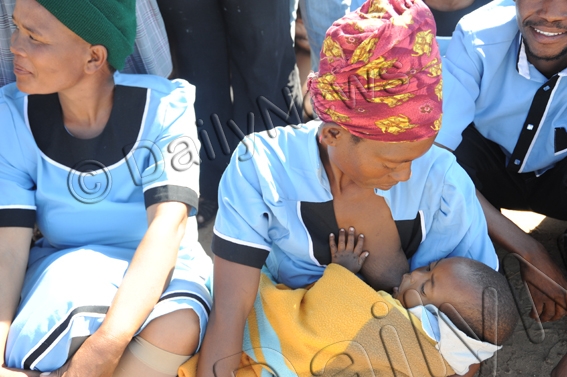
Deputy permanent secretary in the Ministry of Health, Dr Haruna Jibril has emphasised the importance of breastfeeding as an ecological and socially sustainable practice.
Officiating at the breastfeeding week commemoration in Hukuntsi, Dr Jibril indicated that studies had shown that exclusive breastfeeding for six months and continued breastfeeding for two years and beyond, provide high quality nutrients and could help prevent hunger and malnutrition.He said this year’s theme, ‘Breastfeeding; A key to sustainable development’ perfectly links breastfeeding to the newly launched Sustainable Development Goals (SDGs) whose overall aim is to end poverty, protect the planet and ensure prosperity for all citizens.
The theme, he said, connects breastfeeding as a key survival and sustainable element of the SDGs as it significantly improves the development and survival of infants.
“Breastfeeding is interwoven with all SDG goals as a key component of nutrition and food security as well as an environmentally sustainable method of feeding children to hence their healthy development and survival,” he said. Breastfeeding, he said, plays an important role in improved maternal, infant and young child nutrition, and had been globally recognised as a key public health approach that could help prevent infant mortality and lessen inequities.
Optimal breastfeeding practices together with well appropriate home prepared complementary foods are among the most effective interventions to protect children from common causes of death including complications from prematurity, new-born infections and diarrhoea.
Dr Jibril noted that breastfeeding rates had however drastically declined in Botswana over the past years, adding that breastfeeding rates stood at 90 per cent in 1998 as per the Botswana Family Health Survey, but currently only 20 per cent of babies are exclusively breastfed in the first 6 months and only 6 per cent are still breastfeeding at two years.
He said HIV and AIDS had in the past years been identified as major cause for breastfeeding decline since HIV mothers were initially discouraged to breastfeed based on the best available scientific information at that time. Significant research evidence and programmatic experience regarding HIV and infant child feeding, he however said had accumulated in recent times.
“The successful Prevention of Mother-to-Child (PMTCT) Programme in Botswana has reduced mother-to-child transmission significantly and this experience contributed to child survival strategy development globally,” he said.
He further urged men to support their women to breastfeed adding that men influence women decisions hence men’s perceptions of their roles as members of the breastfeeding family are key determinants of a successful breastfeeding experience. ENDS
Source : BOPA
Author : Thato Mosinyi
Location : HUKUNTSI
Event : Breastfeeding week commemoration
Date : 07 Aug 2016
Related News


31 Aug 2026