Electonic voting machine answer to slow process
02 Aug 2016
The Independent Electoral Commission secretary, Mr Gabriel Seeletso says they are planning to introduce an electronic voting machine (EVM).
Speaking during a workshop for local authorities in Frnacistown on Monday, Mr Seeletso said this would solve the outcry of the nation of experiencing slow voting process, being on long queues under harsh weather conditions and the long hours they take to receive the results.
He said the onus was in Parliament to approve the proposed bill to introduce the machine.
He explained that introduction of the machine would not mean that the voting laws would change but the ballot papers will no longer be used.
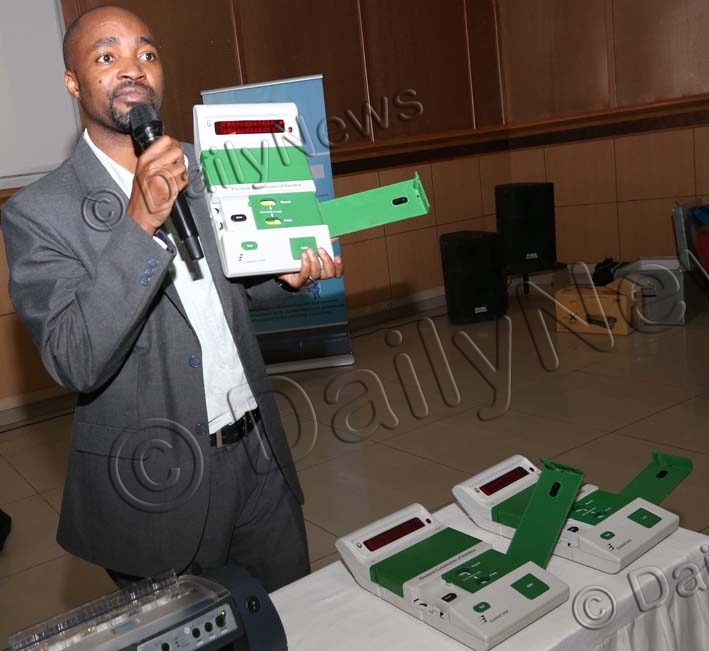
He further explained that the machine would be a stand-alone and would not connect to any network, something which would make it free from evils of technology such as hacking.
Mr Seeletso said following approval of the bill, they would embark on necessary consultations.
A representative of the electoral commission of Namibia, Mr Nico Mingelius said Namibia had been using the machine since 2006.
He said since using the machine, no complaints had been registered and the voting process was made easier and faster with no errors.
He added that the machine came with a lot of advantages such as being user friendly as it could easily be used by the illiterate to cast their vote and only had two buttons to press.
Mr Mingelius said the machine saved time since counting was fast and accurate. It also minimised spoilt votes.
He said the secrecy of votes was maintained and the results were stored on the machine for more than 10 years and could be extracted again if necessary.
He further said the machine was powered by a battery, thus making it possible to operate in remote areas.
Mr Mingelius noted that the machine also had some special features such as an audio signal, which confirmed to the voter and all present that the vote was recorded, the deselecting button which the voter could use to change as many as possible, unique serial numbers which matches the printed results after reading and also catered for visually impaired persons by numbering the candidates or parties on the ballot unit in braille.
Furthermore, he added that the machine consisted of two units being the control unit, which is only used by the polling official, and the ballot unit which is used by the voter and the tabulator which controls counting process and automatically adds the total number to give the result.
He noted that although the machine is good it has some disadvantages such as the beep sound which might irritate some people and that printers do not work on battery which means the electoral body has to provide portable generators to the polling stations. ENDS
Source : BOPA
Author : Kebalepile Phuthego
Location : GABORONE
Event : Workshop
Date : 02 Aug 2016
Related News

31 Aug 2026