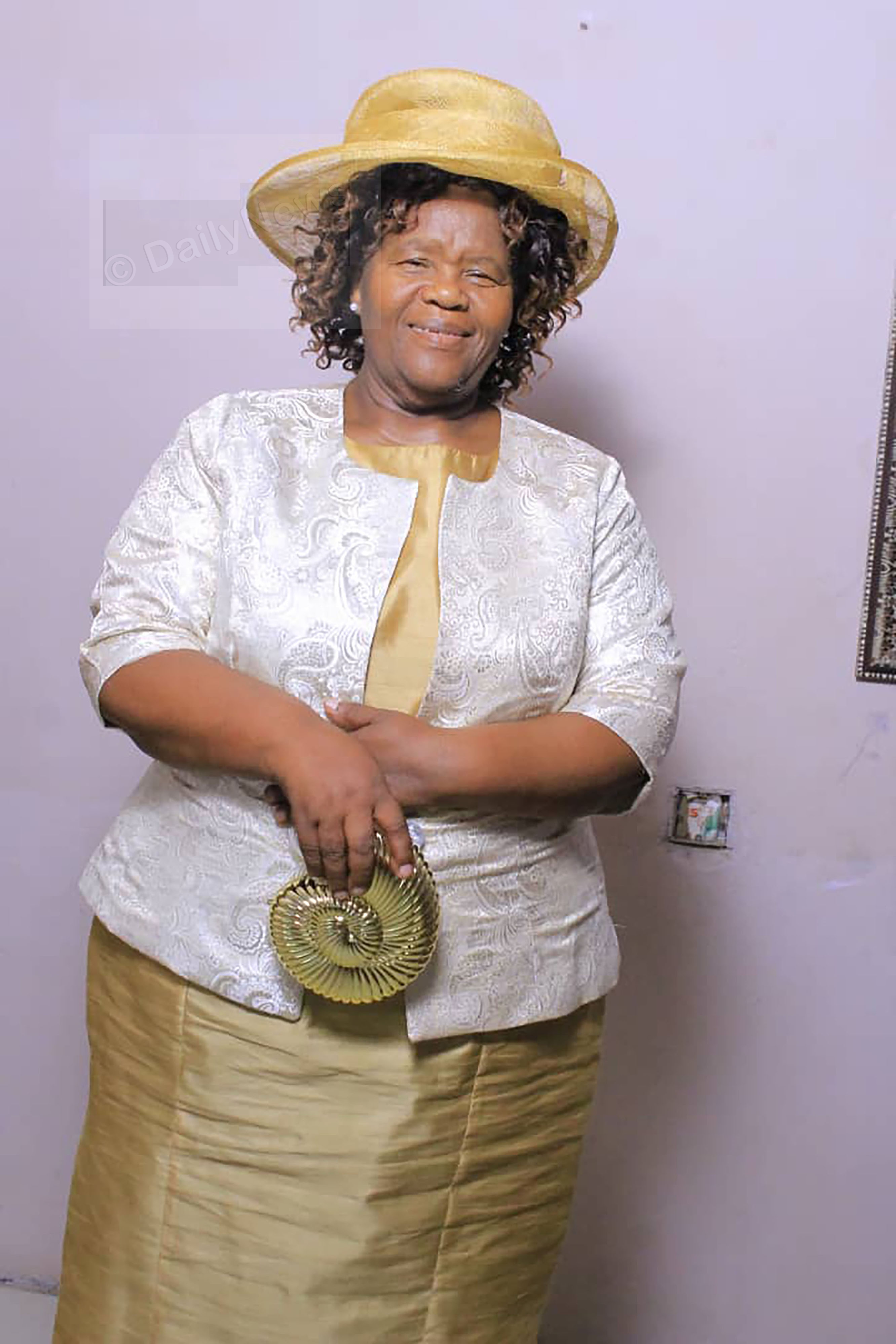
Diphuthi tradtional dance makes mark
21 Sep 2015
Theirs is a story of struggle, hard work and perseverance. Diphuthi traditional dance group’s journey started in 2002. The troupe’s treasurer, Rebangwe Gaopelo says all members were born and bred in Nokaneng, a remote village in north-west Botswana. They started out performing around the village.
The unemployed gifted villagers later realised that they can make a living out of music and dance and officially registered their group. Gaopelo says the eight member ensemble is a hit at weddings, parties and kgotla events. They have tried their luck in the President’s Day performing arts competitions.
‘‘Entering the President’s Day competitions was the best decision we have ever made. Our raw talent and craft was exposed for the world to see. We were duly commended wherever we performed,” says Gaopelo.
Due to public demand, the group decided to record an album in 2012 entitled Tshwarelo. The six track album was recorded at Equamatic Records in Maun. The work has songs such as Dumela Ka Pula, Ao Ntate, Nxisama, Thaba Tsa Kuke and Ke Gopotse Gae. Their songs address social issues such as passion killings, HIV/AIDS and crime. “That is why we decided to name our title track Tshwarelo. We wanted the good Lord to have mercy upon us,” said Gaopelo.
He said members relocated to Thamaga in order to be closer to Gaborone where they could gain recognition countrywide. He said being closer to the capital city favoured them in many ways.
“We formulated a new marketing strategy. We decided to cut 500 CDs and sold them using the door-to-door strategy, and they were all sold out. On top of that, we went to Mokaragana, a Botswana Television Show, and Batswana’s response was indeed overwhelming,” says Gaopelo. He said the show opened doors for them. They performed on roadshows, festivals, weddings and parties. They shot a DVD in Thamaga and Moshupa.
Some shots were made in Nokaneng and surrounding areas.
He said their album is slowly but surely making a mark in the music industry. “The group had to pay for transport, rent and food, which is something they were not accustomed to back in Nokaneng. They had to adapt to a new life, and this alone was a major challenge that also provoked fear and doubt among the members,” he says. Ends
Source : BOPA
Author : Segolame Seidisa
Location : Nokaneng
Event : Interview
Date : 21 Sep 2015
Related News

06 Aug 2026

06 Aug 2026
Mayor implores creatives to be innovative

05 Aug 2026
Batho Ba Metsi honours Okavango Delta custodians

05 Aug 2026