Radio spectrum sharing necessary
15 Sep 2015
The sharing and re-use of the radio-frequency spectrum to accommodate various innovative services has become an absolute necessity.
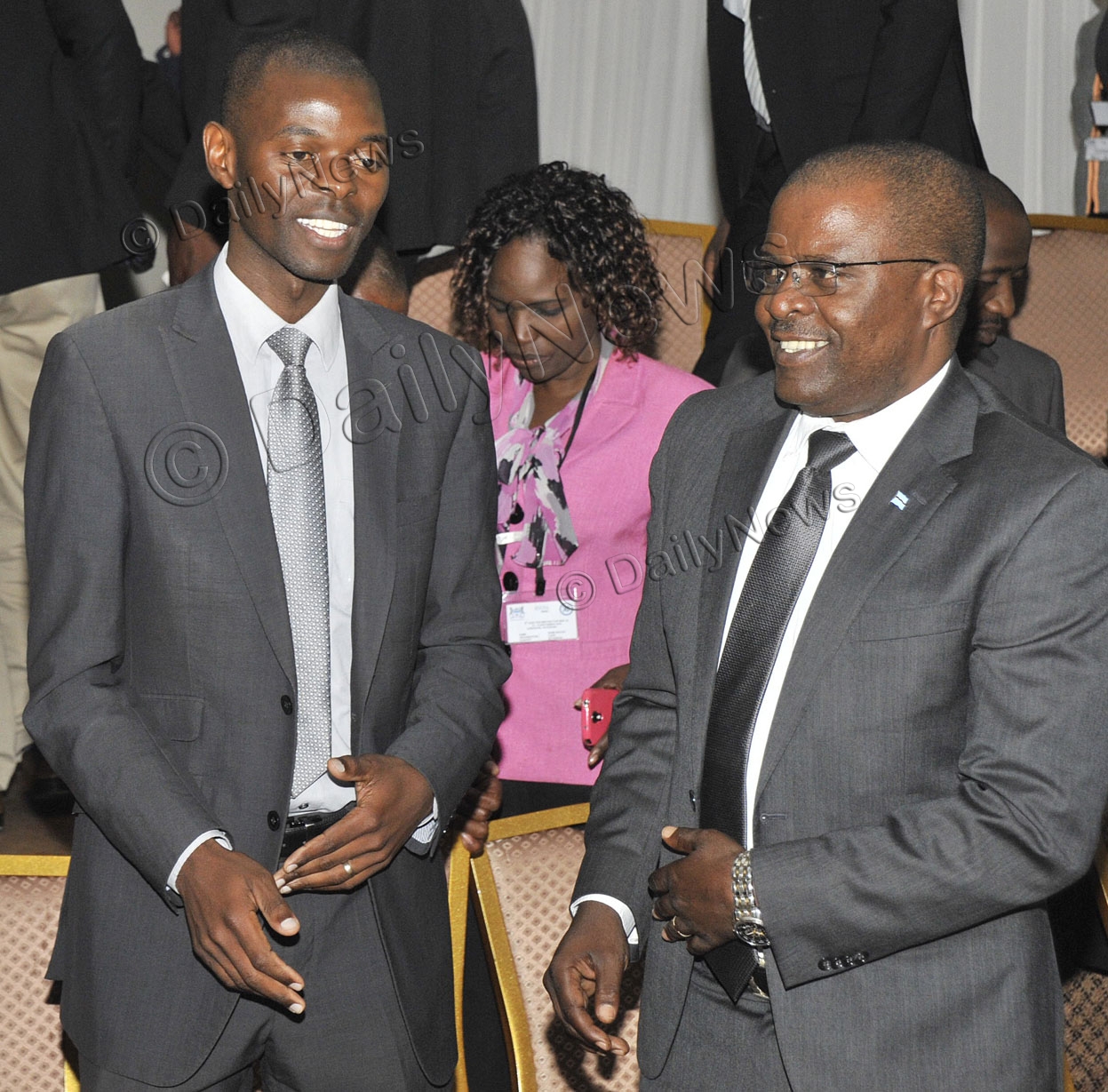
Acting permanent secretary in the Ministry of Transport and Communications, Dr Omponye Kereteletswe has said.
Delivering a keynote address at a five day 5th SADC World Radiocommunication Conference 2015 (WRC-15) preparatory meeting on Monday September 14, Dr Kereteletswe said the radio frequency spectrum was a finite resource, which was critical to the communication- particularly mobile communications.
“Without spectrums, we would need to deploy expensive cables to connect every communicative device. Therefore, it is understandable why preparations for the use of this natural resource, that respects terrestrial boundaries, should be done with so much engagement and thought,” he added.
Due to its finite nature, that makes it scarce, Dr Kereteletswe said most of the spectrum had already been allocated. This, he said had now made sharing and re-use of the resource an absolute necessity, “hence the WRC-15 which will be held by end of November 2015 to discuss the sharing and re-use of the radio frequency.”
As SADC’s vision is to build a region in which there will be a high degree of harmonisation and rationalisation to enable the pulling of resources to achieve collective self-reliance in order to improve the living standards of the people of the region, he said it was critical that “as a region, we harmonise and have a common position on the various WRC-15 agenda items.”
The 5th SADC World Radiocommunication Conference 2015 (WRC-15) preparatory meeting, he said should be a living example of SADC member states’ collective effort to improve the standard of living of their people.
National harmonisation, Dr Kereteletswe said would create a large market with greater economic opportunities. Most importantly, he said, as a block, SADC member states would be able to benefit from one another’s expertise on issues like WRC preparations.
Therefore, he applauded the International Telecommunication Unit (ITU) for its wisdom of holding regular WRC conferences, which provide a platform for countries to discuss the most efficient way of sharing the spectrum.
Latest statistics by the ITU, indicate that there would be more than seven billion mobile cellular subscriptions, 47 per cent mobile broad band penetration by end of 2015, Dr Kereteletswe said.
This phenomenal growth in the mobile subscriptions, he noted pushed the demand for spectrum to unprecedented levels that needed to be addressed, “because the reality is our lives are literally run by the mobile technology.”
Sharing the spectrum, Dr Kereteletswe said would accommodate future innovative services, whilst also affording the necessary protection to the existing services. New technology innovations, such as digital broadcasting and fourth generation LTE networks, Dr Kereteletswe said were made possible by planning, which was done by the various WRC, “therefore, we should not fail the future generations.”
“Many countries in our regions are either developing or have already developed broadband strategies. Botswana has finalised a broadband strategy. Therefore, the power of broadband strategy, particularly to us developing countries, cannot be over emphasised,” he added.
Broadband, Dr Kereteletswe said, played a fundamental role in giving people voice, access to information, knowledge, education and also in supporting development of new skills and employment opportunities.
In most countries, he said broadband services would be delivered through wireless technology hence the spectrum would be key. “As member states, we are counting on the delegates of the WRC-15 to bring us the benefits of this global coordination and harmonisation process. At this final stage, it is critical that the needs of the region are fully understood and implications of the positions that have been taken, we remain focused on them,” he added.
The meeting, which marks the final stage of the WRC-15 preparative process that dates back to almost four years ago, is attended by senior officials and experts from the SADC region.
World Radio-communication Conference is organised by ITU to review and revise the radio regulations, the international treaty governing the use of the radio-frequency spectrum and the geostationary-satellite and non-geostationary-satellite orbits. Revisions are made on the basis of an agenda determined by the ITU Council, which takes into account recommendations made by previous WRCs.
The WRC-15 will be held in Geneva, Switzerland, from November 2 to 27. The conference is held every three to four years. ENDS
Source : BOPA
Author : Lorato Gaofise
Location : GABORONE
Event : SADC World Radiocommunication Conference
Date : 15 Sep 2015
Related News
09 Jun 2026
09 Jun 2026
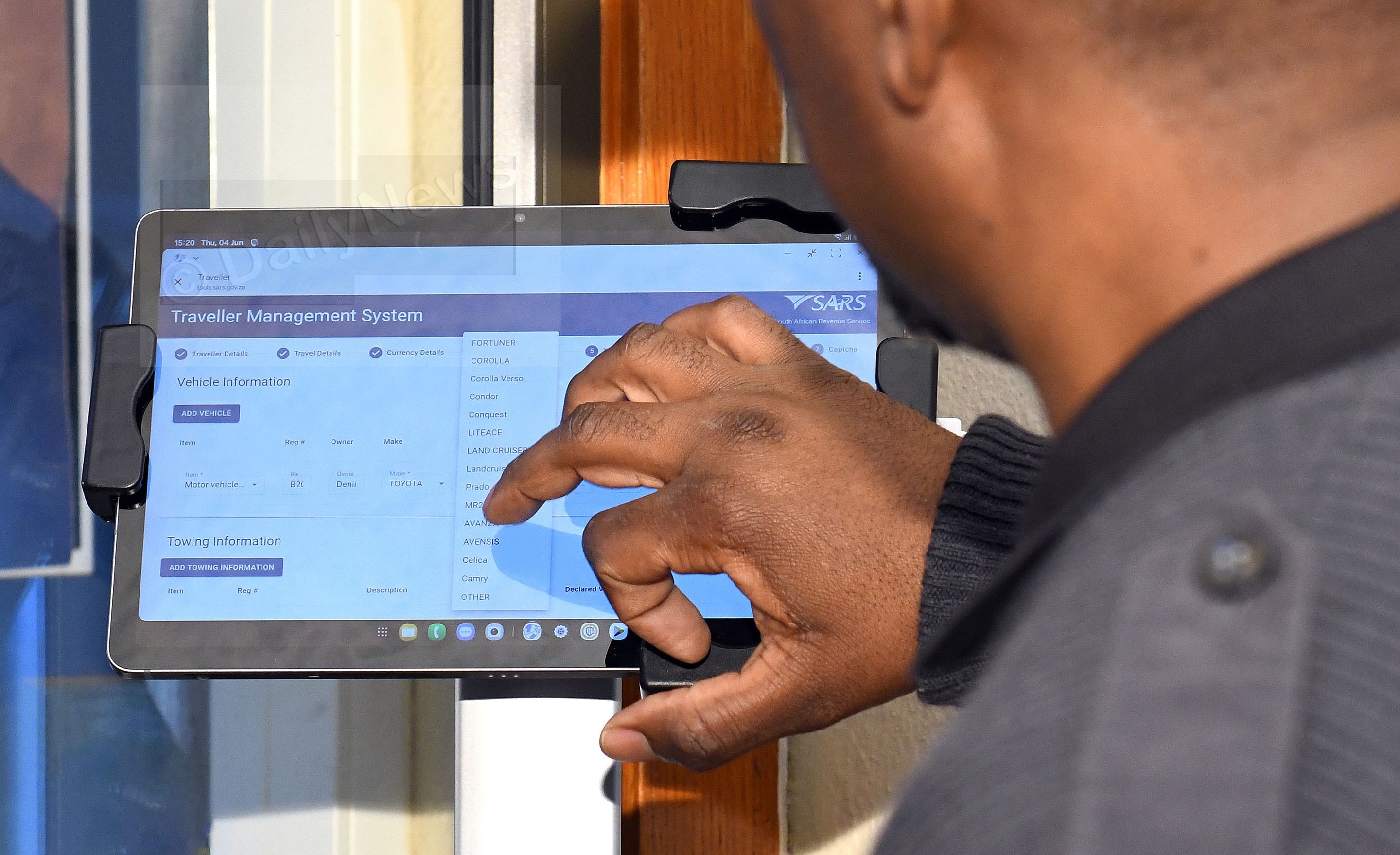
SARS cautions foreign motorists against scammers

09 Jun 2026
Labour agreement to strengthen workplace harmony
09 Jun 2026
Motsamai hails Werda for role in FMD fight
09 Jun 2026