Digital migration on track - Kaboeamodimo
13 Sep 2015
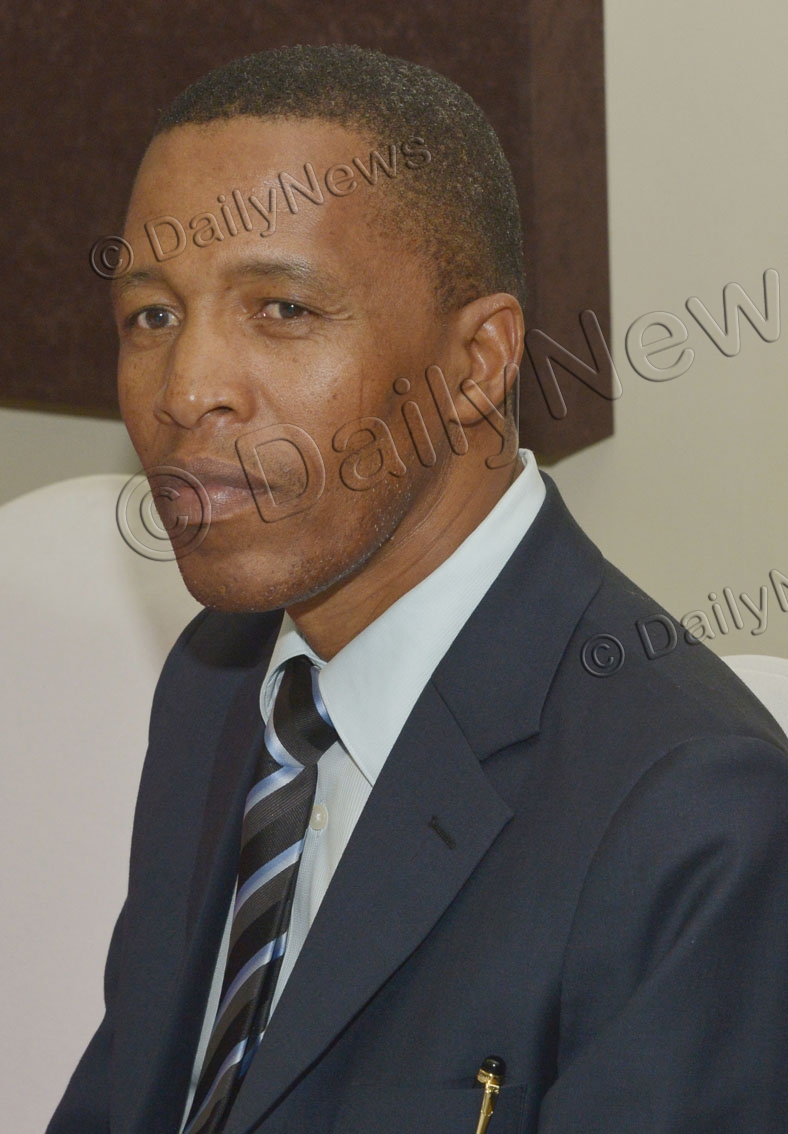
The deputy permanent secretary for Information and Broadcasting Services, Mr Mogomotsi Kaboeamodimo says migration to Digital Terrestrial Television (DTT) from analogue is on track.
Briefing Ngamiland leadership about the project during a seminar recently, Mr Kaboeamodimo said they have set March 2016 as the new deadline for migration from analogue to digital.
The country missed the analogue switch off deadline that was set for June this year.
He said the project would soon be a reality following the successful installation of transmitters in many villages around the country.
“The project management in collaboration with the Japanese team and some experts from Botswana Communication Regulatory Authority (BOCRA) are working tirelessly to ensure successful implementation,” he said.
He said the project, which is expected to improve the quality of broadcasting in the country, would be implemented in phases because of an inadequate budget.
Mr Kaboeamodimo said digital migration was a must for Botswana hence the government’s efforts to realise it. He noted that the government had committed P260 million towards the project for 2014-2016, adding that funds would be channeled towards acquiring production and transmission equipment, content, training and skills development, infrastructure upgrading including gap filling, integrated services and the second BTV channel.
He said studio equipment has already been upgraded, and that preparations for a second channel were at an advanced stage.
He added that the public would be expected to buy a set top box for their televisions, and to ensure that aerials were ready in order to access the new technology. Furthermore, he said the government had engaged business entities who had shown interest to supply the set top boxes which met the required standards.
He said most Batswana using satellite dishes would be affected by the terrestrial switch over.
However, he said public education was ongoing to appraise Batswana about the project.
On the digital migration benefits, Mr Kaboeamodimo said the country would enjoy spectrum efficiency, content creation, flexibility and choice, integrated services, high audio and picture quality coupled with new business opportunities. An expert from BOCRA, Mr Itumeleng Batsalelwang said the authority was supporting the project to ensure smooth implementation.
Mr Batsalelwang also reiterated that the project had a lot of benefits, and that it could be viewed as a new revenue stream for the government depending on policies adopted along with digital migration.
He stated that the government would be able to generate income through licensing of new operators. He also said there would be employment creation derived from new licensed operators as well as revenue from infrastructure sharing.
He added that the project would also offer opportunities to allocate part of the broadcasting band to other users such as mobile telecommunication, Internet and other applications
On the role of BOCRA in the digital migration process, Mr Batsalelwang explained that the authority had coordinated digital terrestrial television frequencies for ISDB-T with neighbouring countries. He added that they had already allocated the DTT frequencies to the broadcasting services department. The authority has also developed specifications used to define the national preference and make up standards.
“It is the duty of the regulator to ensure that there are technical standards and technical specifications that are set and put in place for new technologies. BOCRA has composed and approved technical specifications for terrestrial set top boxes,” said. Ends
Source : BOPA
Author : Esther Mmolai
Location : Maun
Event : Seminar
Date : 13 Sep 2015
Related News
09 Jun 2026
09 Jun 2026
SARS cautions foreign motorists against scammers

09 Jun 2026
Labour agreement to strengthen workplace harmony
09 Jun 2026
Motsamai hails Werda for role in FMD fight
09 Jun 2026