DEA seeks increased awareness of NEESAP

08 Sep 2015
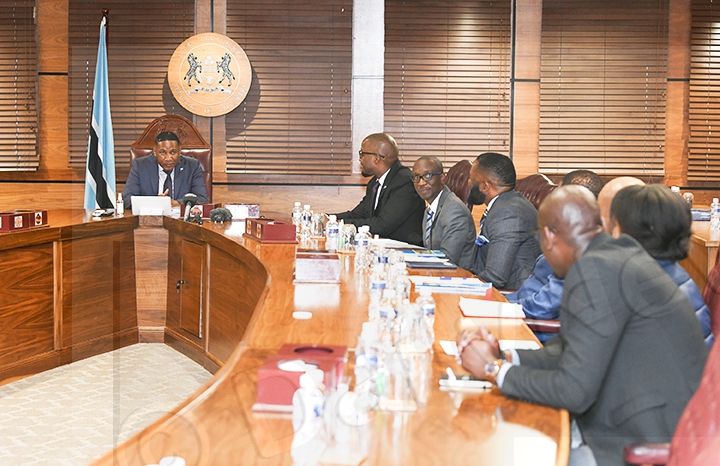
The deputy director of the Department of Environmental Affairs (DEA), Ms Dorothy Kgathinthite says the challenge identified during the implementation of the National Environmental Education Strategy Action Plan (NEESAP) has been the need to increase awareness about the strategy document.She said this recently at a breakfast meeting for the media and financial institutions. She said the press was a vehicle that could help disseminate information on the environment to the public.
She urged financial institutions to use their corporate social responsibility programmes to ensure that projects they fund were environmentally sustainable.
“The DEA coordinates the implementation of the NEESAP and is the secretariat for the national environmental education committee,” she said.
Ms Kgathinthite explained that NEESAP exists to put the national conservation strategy objectives into action, as its formulation and implementation were instrumental in guiding national development planning.
She explained that the global community has shifted towards sustainable development, as sustainable planning balances social, economic and environmental dynamics. She lamented that the environmental impact assessment tool was being fingered for causing project delays.
She argued that the tool was useful in the assessment of the impact of major projects on the environment.
She said it also establishes the best practices to mitigate such impact.
The DEA natural resources officer, Ms Linnef Nyandoro said some of the objectives of NEESAP were to integrate environmental education into the formal education system, to strengthen the monitoring and evaluation revision and to build capacity for environmental education.
She said the success of NEESAP depended on the implementation capacity and commitment of all environmental practitioners and general practitioners.
For his part, Mr Kadawashe Mpolokang spoke about the National Environmental Fund (NEF). He said the fund was established through a statutory instrument, and that its primary mandate was to provide long term financing for sustainable environment and natural resource management.
He stated that the NEF provides the necessary resources for Botswana to fulfill the national sustainable agenda and international commitments.
He added that it provides financing assistance in the form of grants towards activities that provide for sustainable development and the implementation of community based natural resource management activities. He said it also offers support to the eco-tourism sector, rehabilitation of degraded ecosystems and promotion of activities related to protection of the urban environment, climate change mitigation and adaptation. Ends
Source : BOPA
Author : Thuso Kgakatsi
Location : Gaborone
Event : Meeting
Date : 08 Sep 2015
Related News
09 Jun 2026

09 Jun 2026
SARS cautions foreign motorists against scammers

09 Jun 2026
Labour agreement to strengthen workplace harmony
09 Jun 2026
Motsamai hails Werda for role in FMD fight
09 Jun 2026