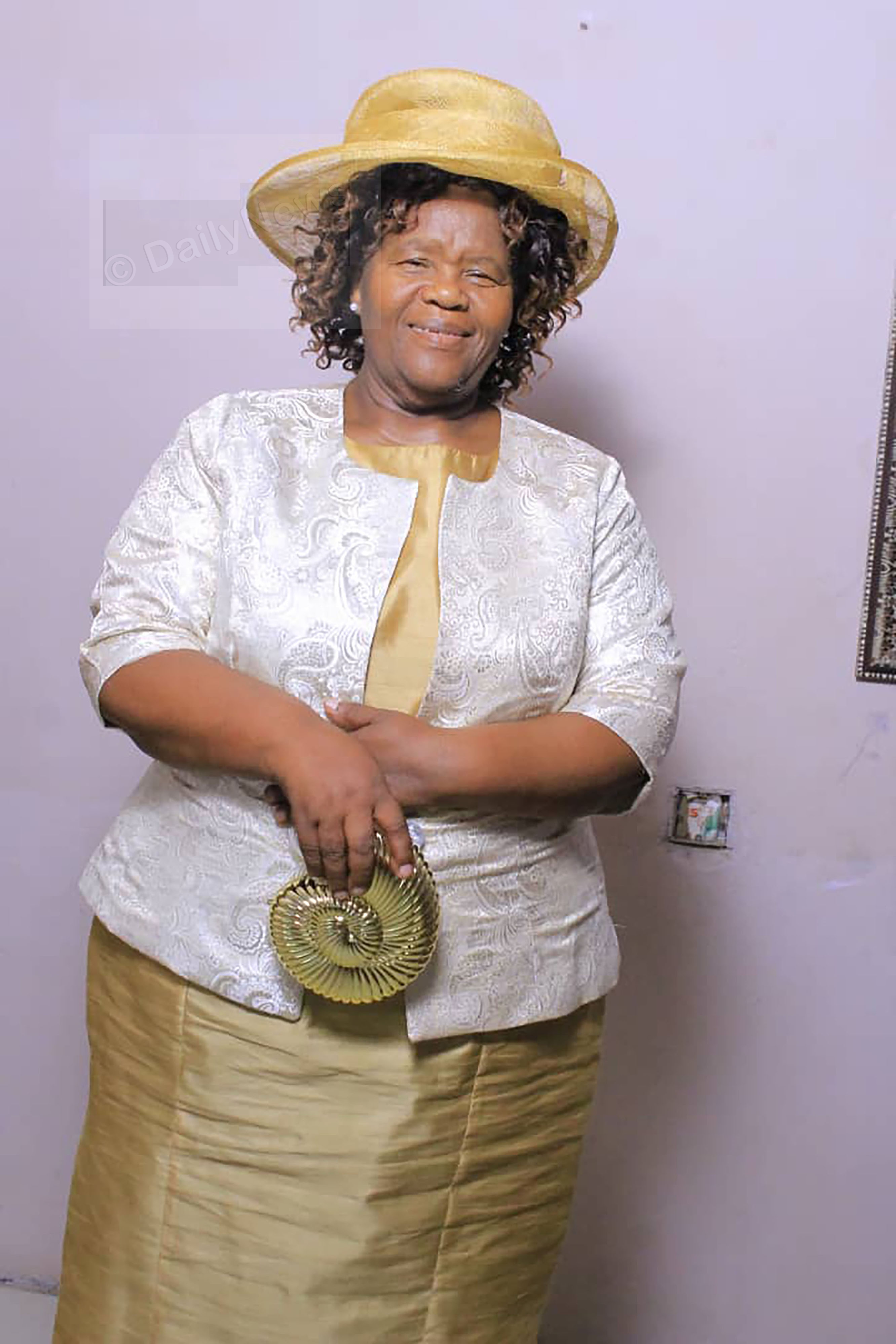
Modise Poetry connoisseur
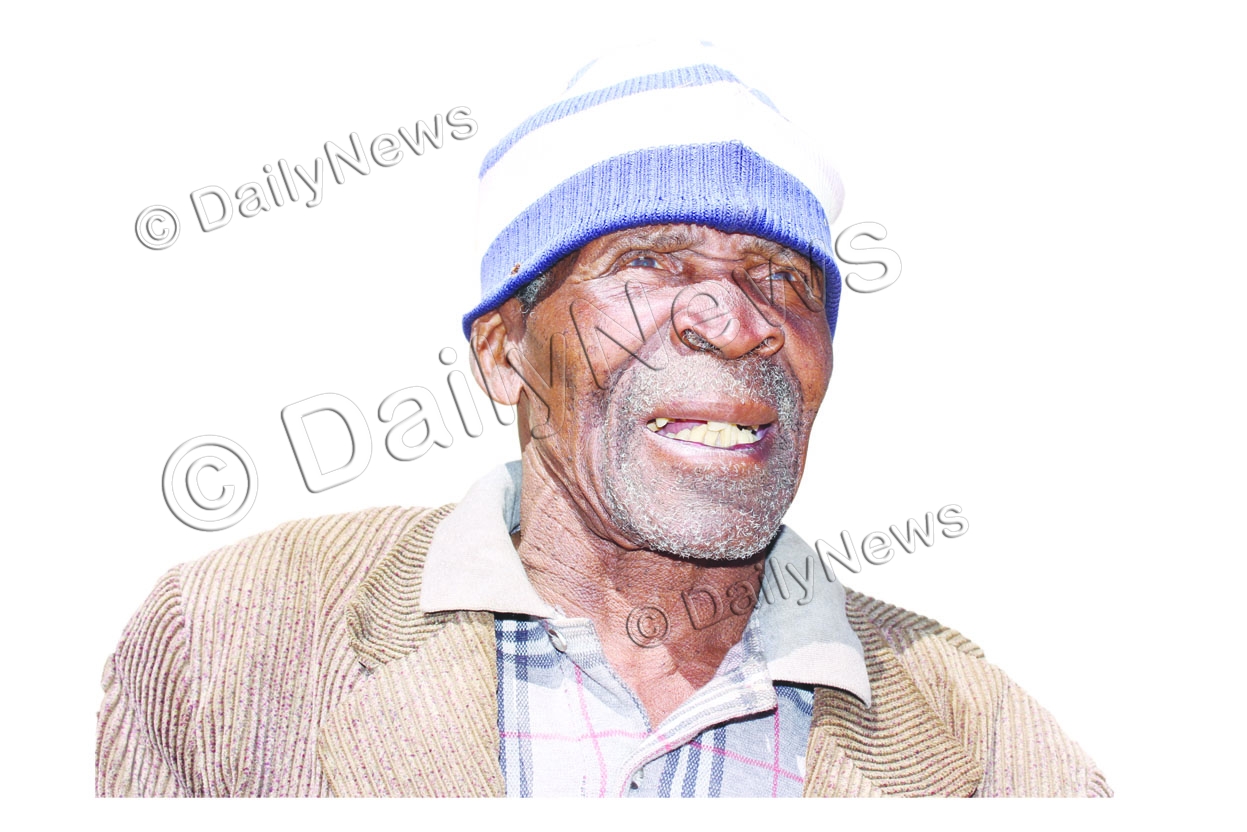
11 Aug 2015
The tiny settlement of Maratswane sits just about five km from Malwelwe in the Letlhakeng Sub-district.
Having just attained its status of a settlement from a traditional masimo, Maratswane would take advantage of anything that can help uplift its status and name.
It is in this tiny settlement that a man many residents fondly refer to as “The lion of traditional poetry” resides. So rightly described because the man has been one of the recognised voices in Radio Botswana’s popular Sunday programme, Dipina le Maboko.
For a settlement thirsty for recognition, Ralekowe Modise is just what the residents need. Born and bred in Letlhakeng in 1937 before relocating to Maratswane when it was still a ploughing area in 1971, Modise is one of the few remnants of traditional poetry of his generation.
He falls in the same generation as the likes of Ponatshego Mokane, Sekokotla Kaboeamodimo and Speech Madimabe. Infact, Madimabe mentions him in some of his songs.
“Creativity was no problem in our generation. Poetry was just a form of pastime especially when we were out herding cattle,” he said.
Modise said it was only natural for him to become a poet as he grew up in a family that held poetry high as a social status.
“My grandparents were great poets and so was my father, Modise Mokgweba. So it was only natural for me to fill their boots in society. Reminiscing the old times, Modise said as young boys herding cattle, they would often praise the beasts at the watering pond at Kgesakwe near Khumumelapye.
“Ke gone ko banna ba neng ba ithaola mo basimaneng teng. Re ne re itse kaha dikgomo tsa rona di lelang ka teng, e re kgomo e lela mo lenganeng obo oe bitsa oe boka ka leina le go lela ga yone,” he recalled the good old times.
Modise said after his right of passage, he left cattle herding to look for jobs at the South African mines as it was the norm with most Batswana men in those times, and while in South Africa he continued to entertain his fellow miners with his poetry to pass time.
“There were many Batswana that side, so in the evening I would entertain them with my poetry. I never actually stopped reciting poems until I came back home, and even today I still do poetry,” he said.
He said nowadays he recite during events around his settlement, and mostly, during competitions such as the constituency arts as well as the President’s Day. The challenge for old folks like him, he said is that the competitions come with a theme that they have to coin their poems around.
“Such are modern things and we the old forks find it tough against the youngster because we cannot read and write. I wish there was a way they could make separate categories for us and the youngsters, for we are two different breeds,” he said.
He speaks with a sombre look when queried on whether he sees any potential among his children to continue his legacy.
“Owai bo ngwanake go lebega ba sena kgatlhego ee kalo, ke a ba rotloetsa ba a leka mme ga ke bone,” he said.
Monica Modise, his 35-year old last born child, also sings praises of her father. She describes him as “someone with poetry in his blood”. “It is not that we are necessarily reluctant to take after him, maybe it’s just that he has set the standard so high that we feel we can’t match him,” she said.
She said his father still entertains them during pastimes. “E kgona gore phakela hela re santse re robetse o bo o utlwa a thunya ka leboko kwa ntle a re tsosa. Fa gongwe le fa a goroga mo lwapeng ka kara ya ditonki o tla ne o mo utwlile a thunya ka leboko a santse a le kgakala o ise o mmone ka matlho, o tla itse go re wa goroga,” she said.
She said the old man’s easy going nature makes it enjoyable to sit around him. Monica, a hawker in Gaborone says she is so proud of her father that sometimes when she hears him on radio she calls her friends to listen to him.
“He has made a name for our family which is recognised even in Gaborone. When people hear my surname and where I come from they normally ask if am related to him” she said with an air of pride.
Her main concern is that most people exploit him as they hardly pay him for his services. She said during competitions, she usually wishes she could ululate for him, but that most of the time she would be held up at work. However, that’s not a big problem as Modise has his longtime partner in Mmanthajane Gobusang as his ululator. “Sekwakwalla sa me” as he refers to her, Gobusang says she started “volunteering her tongue” to Modise when he recited poems during events such as kgotla meeting around the area.
“The first time I heard him I was so taken by his poetry skills that I just stood up and ululated for him, and there was no looking back. Ever since then I accompany him at most events. He is a very gifted poet,” she said.
Having worked with him for so long, Gobusang however, said she has no intention of trying a hand in poetry. “Heela rra, golo moo go thata gona le beng ba gone. Rona le ba re duduetsang hela,” she said with a burst of laughter.
“Yona rra ke tau ya poko,” she adds. Modise’s poems are mostly on political leadership such as the then area Member of Parliament and former Minister of Minerals and Water Resources, Boometswe Mokgothu as well as former President, Sir Ketumile Masire.
During the interview, the nagging feeling to ask him to sample one of his poems gets the better of yours truly.
He excitedly obliged, as if he has been waiting for the moment.
He sampled an expression of his concerns at the way his tribe, Bakgalagadi, lacked respect for the Bakwena chieftaincy, and it goes:
“Masire gaa hitha mo Maratswane, O re hithetse batho bane ba phuthehile Motshwanaesi a ne a ba phuthile a ba katetse mo sakeng La kgosi lesaka la dikwata le setse le tetse. ENDS
Source : BOPA
Author : Olekantse Sennamose
Location : MARATSWANE
Event : Interview
Date : 11 Aug 2015
Related News
06 Aug 2026
06 Aug 2026
Mayor implores creatives to be innovative
05 Aug 2026
Batho Ba Metsi honours Okavango Delta custodians
05 Aug 2026