Artists cherish working with ivory
27 Jul 2015
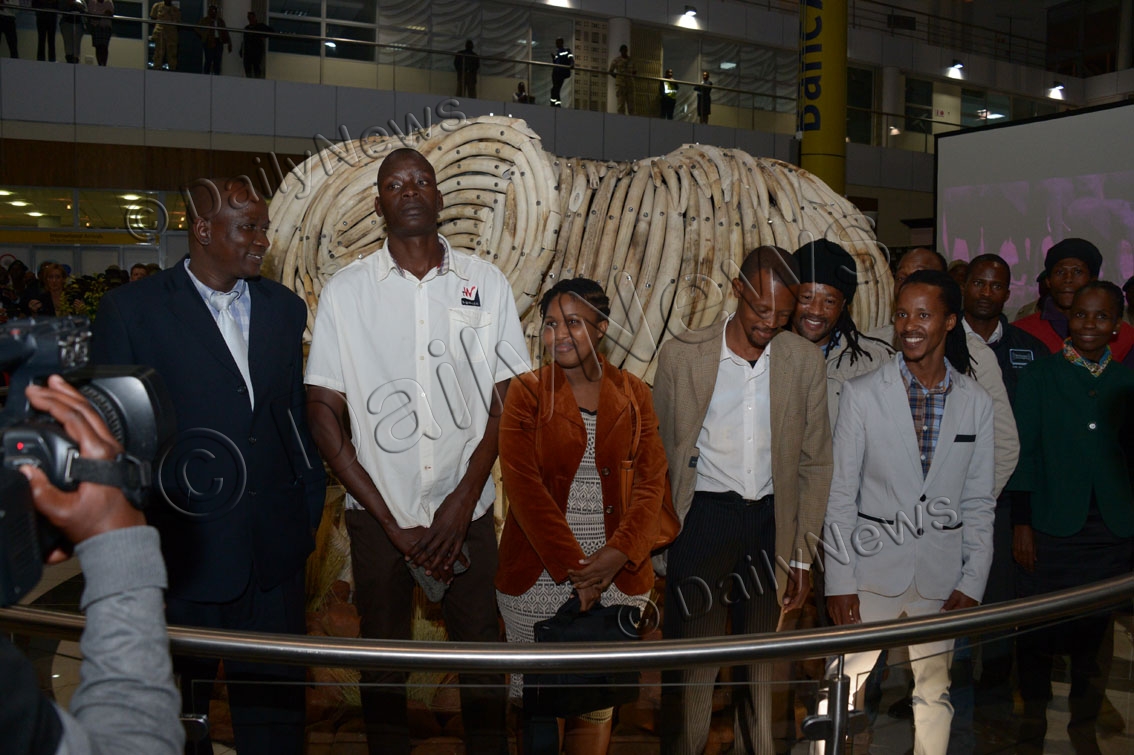
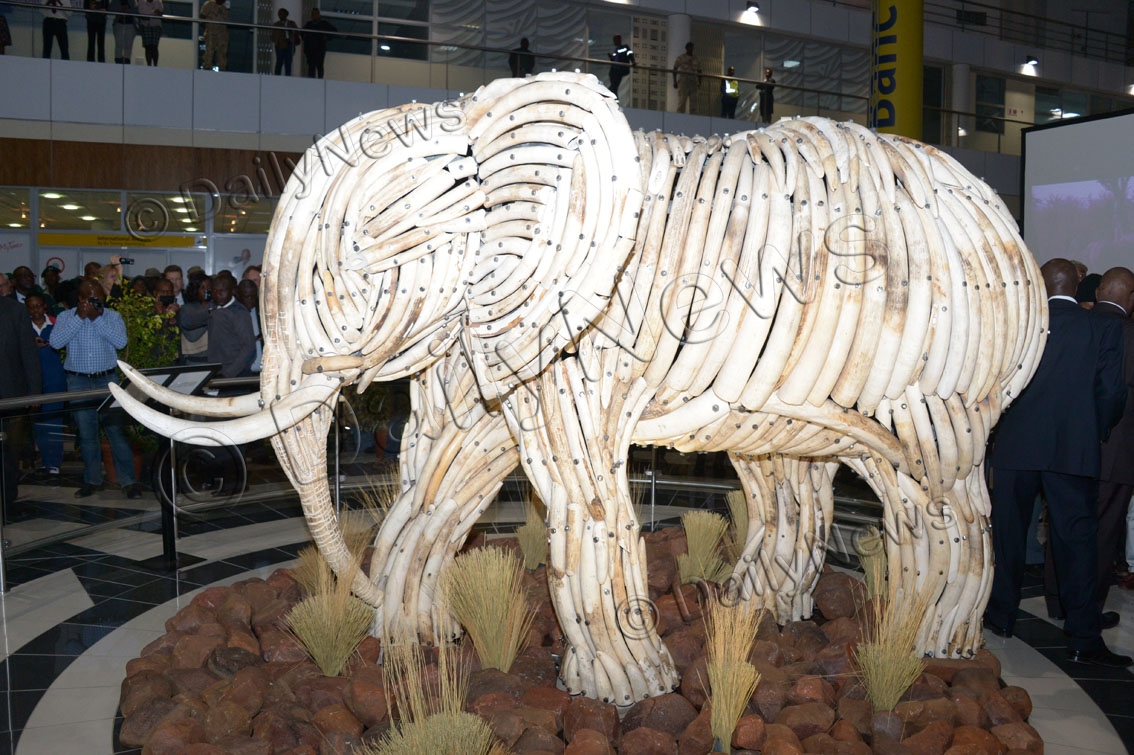
It took a good month and a team of seven fine artists, stone and wood sculptors to turn a stockpile of elephant tusks into arguably the most expensive and symbolic work of art in the country.
Led by Joseph Piet, the team started the delicate assignment of sculpting an elephant out of ivory in February to raise awareness on the plight facing the African elephant today and to make a strong statement against the illicit ivory trade.
“We trusted that we could do it. I saw an elephant tusk for the first time, and it was a thrilling experience to work with this rare and protected material. It was a challenge to do this job because none of us had worked with tusks before,” says Piet.
Their work began with a series of sketches of the gigantic mammal. They then made a giant elephant skeleton.
“We wanted to make it look as natural as possible,” he says. He recalls the emotional trauma he went through when he saw some of the elephant tusks on the other stockpiles which they were not using, marked ‘poached’.
“One could see the cruel marks on the elephant tusks that showed that the animal was struggling when it was killed by poachers.
How can they be so cruel?” he says, looking into space as if he would shed a tear. A stone sculptor renowned for his carvings of the national Coat of Arms at the Office of the President and a stone portrait of President Lt Gen. Seretse Khama Ian Khama, Kealeboga Ramogotsi says: “I was scared to touch the ivory. My hands were shaky.
While we were working, armed wildlife security officers were present all the time.
After three days I got used to them and started to freely work with the elephant tusk with confidence,” he reminisces. The experience taught him that he was working with a highly priced and protected material. Gosego Motlogelwa says the natural curvy shape of the elephant tusk presented a challenge.
“Cutting the tusks and coming up with the right sizes proved to be a challenge,” he recalls. The only woman in the team, Kelebogile Marope, has a Masters in Fine Arts from Rhodes University. She reiterates how the task was challenging at first but rewarding in the end.
“I learnt a lot from working with a team of men. The guys were careful around me. This has taught me a lot about anti-elephant poaching,” she says.
Other brains and talented hands behind the historical three dimensional 2.7 tonnes pure ivory elephant sculpture, which measures 3.8 metres in length, 2.1 metres in height and 2.8 metres in width, are Isaac Chibua, Wailer Motsu and Galoseitse Metlhaleng.
The sculpture is displayed at the Sir Seretse Khama International Airport.
The director of the Botswana National Museum Gaogakwe Phorano says the pure ivory sculpture, which is secured with nuts and bolts, would be installed with sensors to avert any criminal activities.
He says the artists were commissioned by the Government of Botswana with the aim of protecting the endangered elephant species.
“This sculpture was created to show that a live elephant is much more valuable than its ivory,” he says. Ends
Source : BOPA
Author : Calviniah Kgautlhe
Location : Gaborone
Event : Interview
Date : 27 Jul 2015
Related News
06 Aug 2026
06 Aug 2026
Mayor implores creatives to be innovative
05 Aug 2026
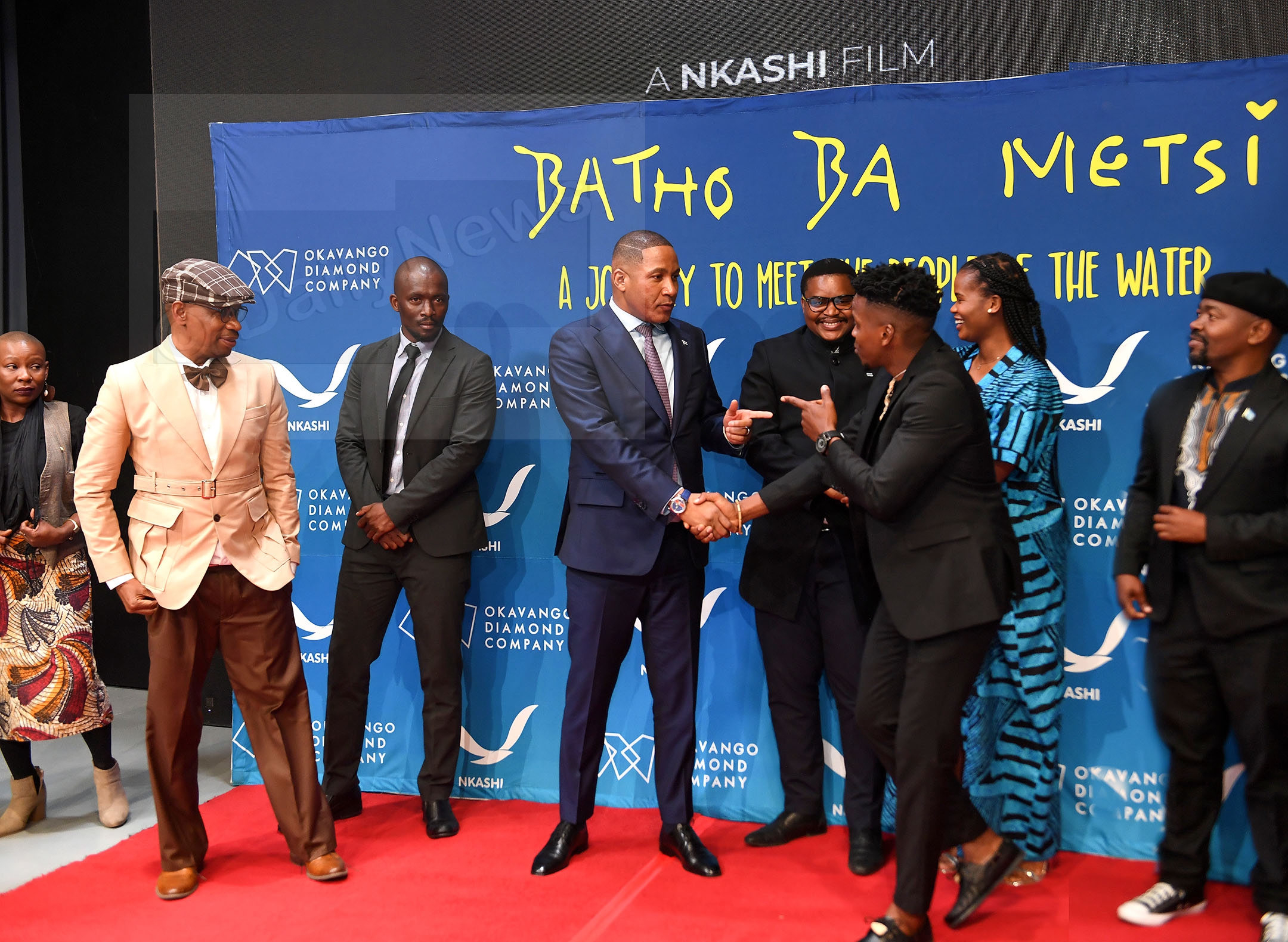
Batho Ba Metsi honours Okavango Delta custodians
05 Aug 2026