


UNICEF averse to child marriages
22 Jun 2015
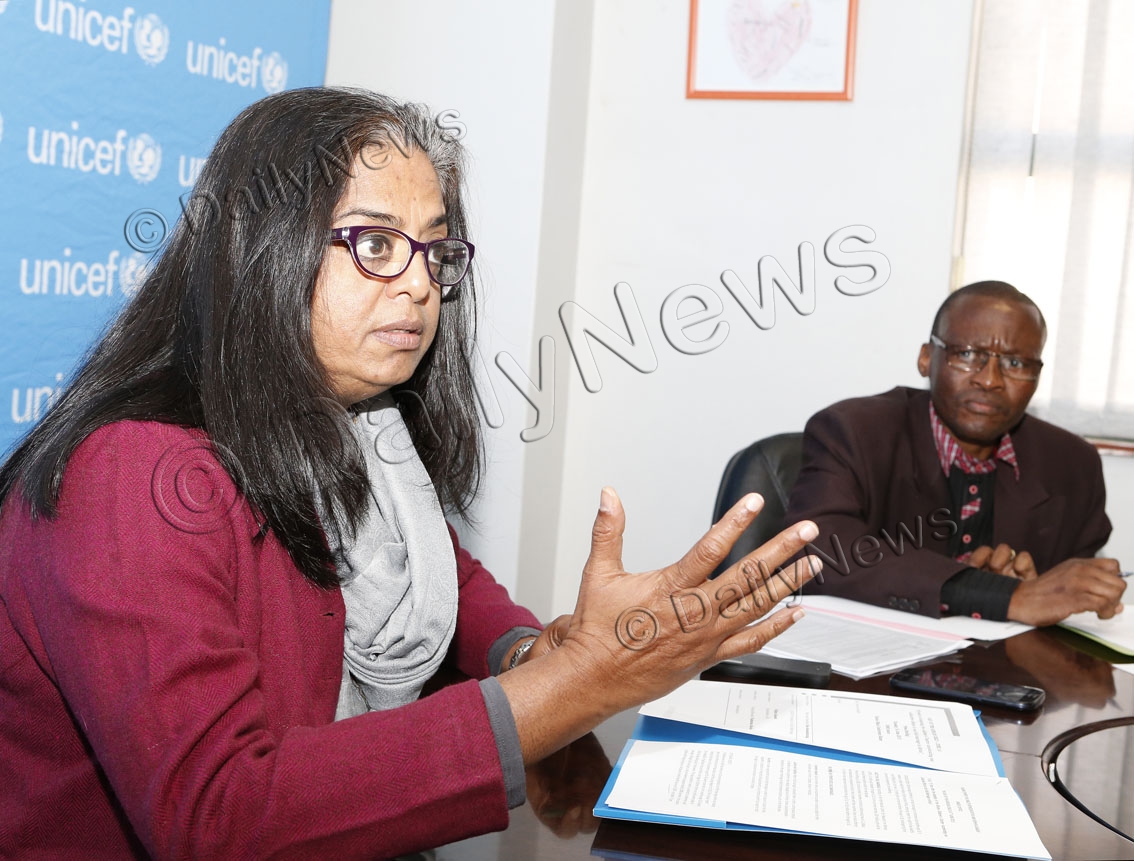
UNICEF representative to Botswana, Ms Vidhya Ganesh says there are still some cases of child marriage taking place in Botswana.
Briefing the press during the commemoration of the Day of the African Child, she said the census report indicated that there was one per cent of women aged 20-24 who were married by age 18. June 16 this year was under the theme: 25 years of adopting the children’s charter: accelerating our collective efforts to end child marriage in Africa.
Ms Ganesh said child brides and teenage mothers often faced numerous challenges in health and access to education.
“When a girl child gets married she is expected to bear children and drop out of school and hence missing out on opportunities and the right to exercise her child right of interacting with other children.” She noted that the majority of young brides have limited access to contraception and reproductive health services and were also exposed to childbirth before they were physically mature and psychologically ready.
The UNICEF representative said studies have shown that child marriage often leads to gender based violence, physical and sexual violence. She highlighted that 2.1 million adolescents were living with HIV globally and 82 per cent of them were in Sub Saharan Africa with Botswana among countries adversely affected by the scourge.
Ms Ganesh stated that UNICEF emphasised that the minimum age for marriage with and without parental consent be set to 18 years both for boys and girls. BOPA also visited Sir Seretse Khama Junior Secondary School to get views from children on the significance of June 16 in their lives.
Ms Hazel Gaelebalea a Form 3 student said the day meant a lot to her as an African child because of the lives sacrificed by young South Africans who were massacred by the apartheid regime in 1976.
She said the theme was very relevant in that a girl child no longer feels safe due to the afflictions of abuse and violence.
Young Ms Gaelebale called on parents to actively partake in the upbringing of their children so that young girls and boys do not end up being victims of social ills. She, however, said it should start with a girl child by exercising self-respect which she would in return receive from others.
“Know what you want as a girl, do not be deceived and fall into traps of peer pressure and end up making bad decisions,” she advised. Ends
Source : BOPA
Author : Portia Keetile
Location : Gaborone
Event : Press brief
Date : 22 Jun 2015
Related News

15 Jun 2026

15 Jun 2026
Twenty minutes that shook Gaborone

15 Jun 2026
Botswana considers diplomatic mission in Russia

15 Jun 2026
Leverage neurodiversity for innovation gains

15 Jun 2026