


Internal governance commemorations kick start
04 Mar 2015
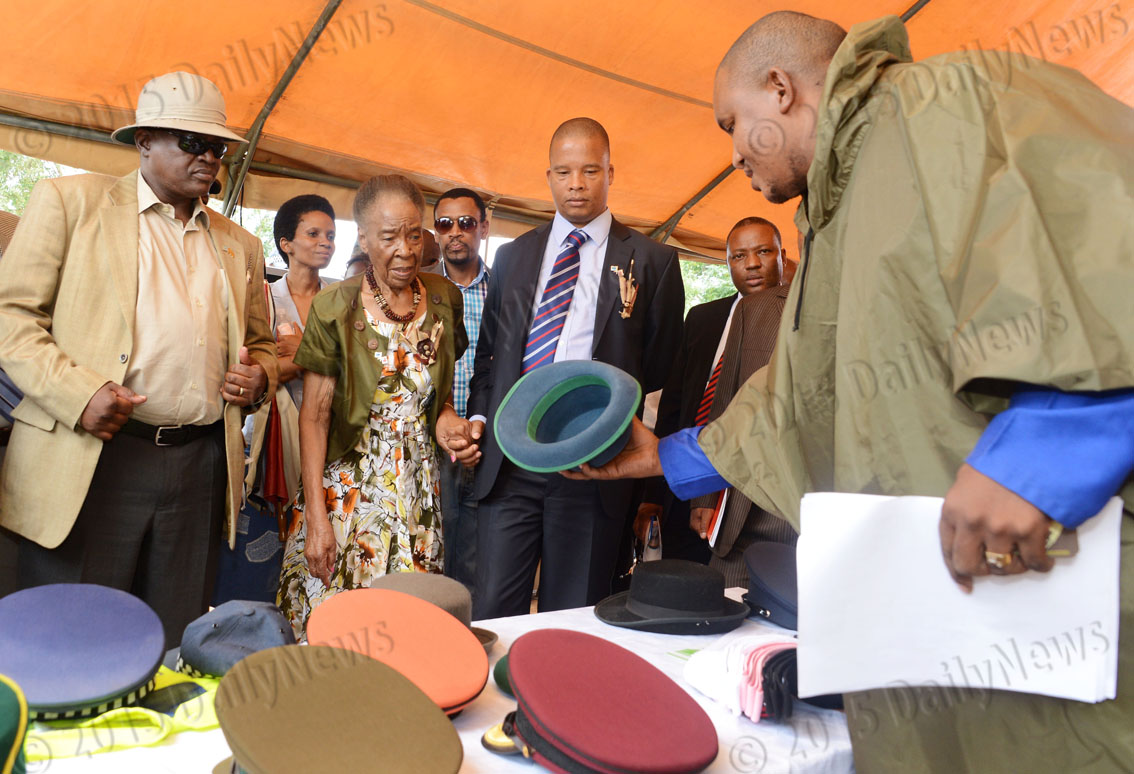
Botswana came a long way after independence and it is important to reflect back and appreciate the formation of a united people, former minister, Dr Chiepe has said.
Dr Chiepe was a guest speaker in Lobatse at an occasion held to kick-start the commemorations of Botswana’s path to internal governance.
Also among the dignitaries that graced the occasion were the Vice President Mr Mokgweetsi Masisi and the Minister of Youth Sport and Culture, Mr Thapelo Olopeng.
She said in the past, Batswana existed as different merafhe and ruled as such by the British colony, but always longed to be united people with one advisory council.
This, she said was the basis of negotiations towards Botswana’s independence which was finally acclaimed and realised in 1966.
She said at the time, Bechaunaland as the country was faced with adversities such as famine and lack of skill, but with the right attitude they knew that they could transform the country to be a better place for all.
Dr Chiepe said the discovery of diamonds came as a salvaging situation to the then leaders who made sure that its mining contributed and benefitted all Batswana.
She therefore encouraged Batswana to soldier on and continue with the fighting spirit to sustain all that had been gained by the country since then.
For his part, Minister Olopeng said the day was set aside to recognise and appreciate the milestone that the country has gone so far, since it created its path towards internal self-governance.
The day, he said, was also set aside to celebrate the forefathers who played an important role in negotiations for protection as well as those who negotiated the path to internal self -governance.
“We should feel proud of these men and women’s deeds and achievements.
While other African countries, had to shed blood to gain their independence from colonisers, Botswana only had the Legislative Council building in Lobatse to sit in and negotiate progress towards independence”, he said
Mr Olopeng said it was very important for such kind of deeds to be documented for the upcoming generation so that they would know where Botswana came from.Meanwhile, the celebrations recognised.
Lobatse as a town which has played a significant role in Botswana’s realization of the country’s independence as it moves towards celebrating its 50th anniversary.Lobatse has a rich history of where Botswana comes from, particularly that the country was born in Lobatse.
Situated some 75 kilometers from the capital city Gaborone and sharing the border line with South Africa, the town served as an administration centre for the country before the capital city was relocated to Gaborone.
With a population of about 30 000 people, the town has a potential for growth if given the attention it deserves as the first capital of the country.
The first international diplomatic visit to Botswana by King George and Queen Elizabeth II was held in Lobatse in the early 1960’s.
This saw the first tarmac road being constructed in the town, which stretched for only 5 kilometers from the Railway line up to the Legislative Council.
This is where all legislative issues concerning the path to the country’s independence were discussed and a conclusion to grant Botswana Independence was taken.
The first Legislative Council meeting was held in Lobatse in June 1961 aimed to improve administration and a path towards Botswana’s Independence.
It was also in 1963 that the constitutional review conference was also held in Botswana when political activity was developing leading to the country’s independence.
The town also boasts of having a number of institutions such as the Botswana Railways, Geological Surveys, Botswana Post, Radio Botswana, Athlone Hospital and the Teachers College built there before Independence.
It is on this note that the Ministry of Youth Sport and Culture marked the events leading to Botswana’s independence with the first commemoration of all activities held in Lobatse.
In his vote of thanks, area Member of Parliament, Mr Sadique Kebonang stressed on the need for the documentation of the first institutions which form part of Lobatse’s history.
This, he said, would not create a gap in the knowledge of “where we come from between the young and the old.”He concurred that the town has a rich history that could be used to create its better future when documented and preserved.
The Assistant Minister of Trade and Industry also thanked the British, who did not dump the country after independence, but continued to be true friends and partners in development. ENDS
Source : BOPA
Author : Segametsi Kebonang
Location : Location
Event : Commemorations
Date : 04 Mar 2015
Related News
16 Jun 2026
First Lady courts Bahumagadi for support Mpepu

15 Jun 2026