NACA coordinator mobilises community leaders
25 Feb 2015
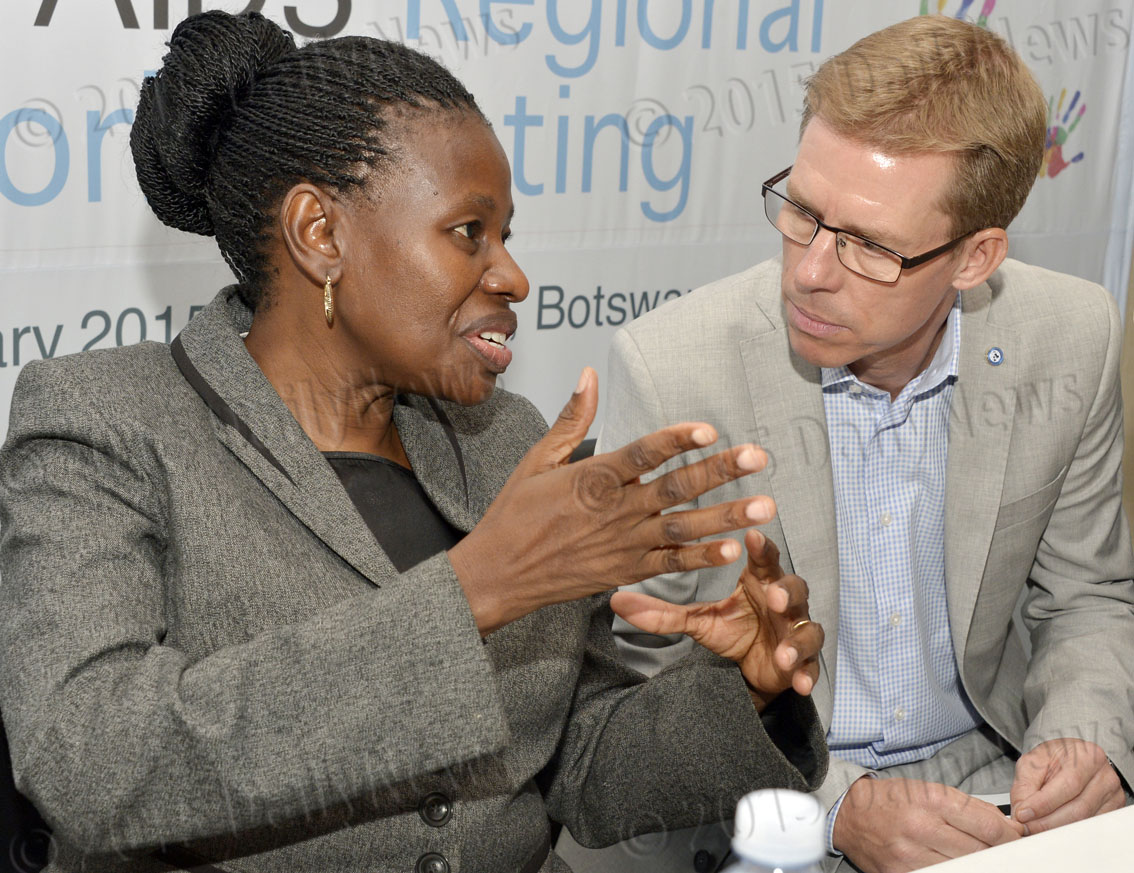
NACA coordinator, Ms Grace Muzila, says there is need for community leadership to take part in the fight against the HIV/AIDS scourge so as to address HIV prevention from grassroots.
Speaking at the UNICEF Eastern and Southern Africa HIV/AIDS network meeting in Gaborone on February 23, Ms Muzila stated that this latest intervention would not require much of the resources as structures were already in place in all communities.
The coordinator said it was imperative to engage the leaders in planning and execution of preventative measures which would be cheaper since resources were already there in villages towns and cities.
She said there was need for the region to come up with resolutions that would lead to an HIV free generation in this region which is the mostly affected. Ms Muzila highlighted that the HIV epidemic was not only threatening the physical health and survival of millions of children across the globe but it also destroys their families and hence depriving them of parental love care and protection.
She stated that in 2013, about 2.1 million adolescents between the ages of 10 and 19 were living with HIV worldwide. “Botswana has made significant strides in addressing HIV particularly in the area of biomedical prevention where both PMTCT and Anti-Retroviral Treatment (ART) continue with strong implementation exceeding the targets of the 2011 UN political Declaration on HIV/ AIDS,” she said.
She said PMTC transmission of HIV is amongst government’s priorities with HIV infected infants estimated at 2.2 per cent with about 10 000 children, nearly 100 per cent of those eligible receiving ART.
Ms Muzila said to prevent the spread of new infections adolescents and young people need accurate and relevant information about HIV along with a safe environment in which they could talk openly about risk behaviour. The coordinator stated that the region needs to work on curbing stigma among children and their families adding that too often many HIV infected children and their families live in conspiracy of silence and shame associated with the virus.
She noted that there was need to develop culturally and developmentally appropriate clear cut frameworks to handle the post HIV disclosure psychological impact on HIV affected children. Ms Muzila said as NACA they have support from UN every week to strategise on interventions to achieve zero infections adding that they also have civil society as a major stakeholder as they are everywhere. She said the multi sectorial approach has worked as more people used to die from the scourge but numbers had now gone down.
UNICEF HIV/AIDS regional advisor, Ms Anurita Bains said half of new infections in children in 2013 were in Eastern and Southern Africa adding that almost two thirds of adolescents living with HIV were from this region. She said HIV/AIDS was the leading death for women in Sub Saharan Africa with war and poverty exposing them to the scourge. Ms Bains said there was need for home grown responses and innovations like citizen engagements and technology to expedite early infant diagnosis.
Program delivery through mobile phones should be improved to reach adolescents and close gaps to allow children to benefit ART coverage as much as adults, she said. ENDS
Source : BOPA
Author : BOPA
Location : Gaborone
Event : Workshop
Date : 25 Feb 2015
Related News

18 Jun 2026
18 Jun 2026
Learners commemorate Day of the African Child
18 Jun 2026
LESABO project to address water scarcity

18 Jun 2026