Yield not promising
22 Feb 2015
This year’s ploughing and planting hectorage is likely to be far below half of the 2013/14 cropping season due to inadequate rains, according an official of the Ministry of Agriculture.
A total of 115 000 hectares that has been ploughed and planted by 44 000 farmers during the current cropping season has been measured country wide and the results are far below half of what was ploughed and planted in the 2013/2014 cropping season.
Though measurements of fields is still on-going the figures are far too low of the previous year which saw a huge 417 000 hectares ploughed and planted by 127 511 farmers.
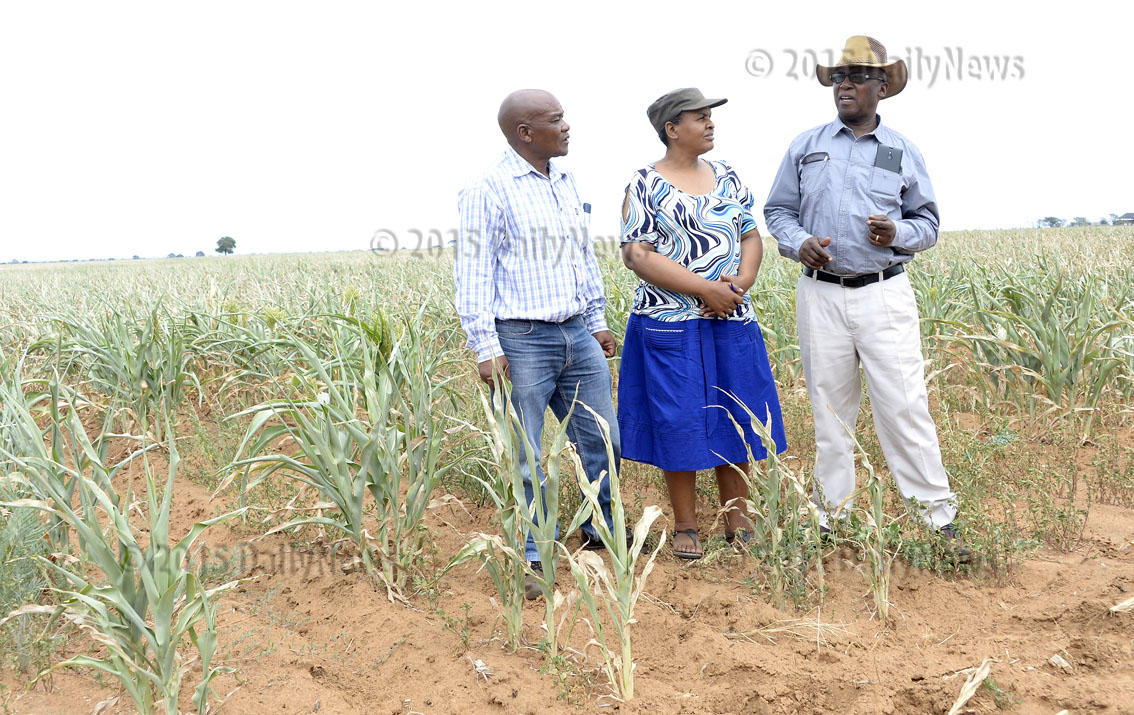
Currently some field are already showing signs of stunted growth of crops due to the scotching heat while some are already wilting due to low rainfall.
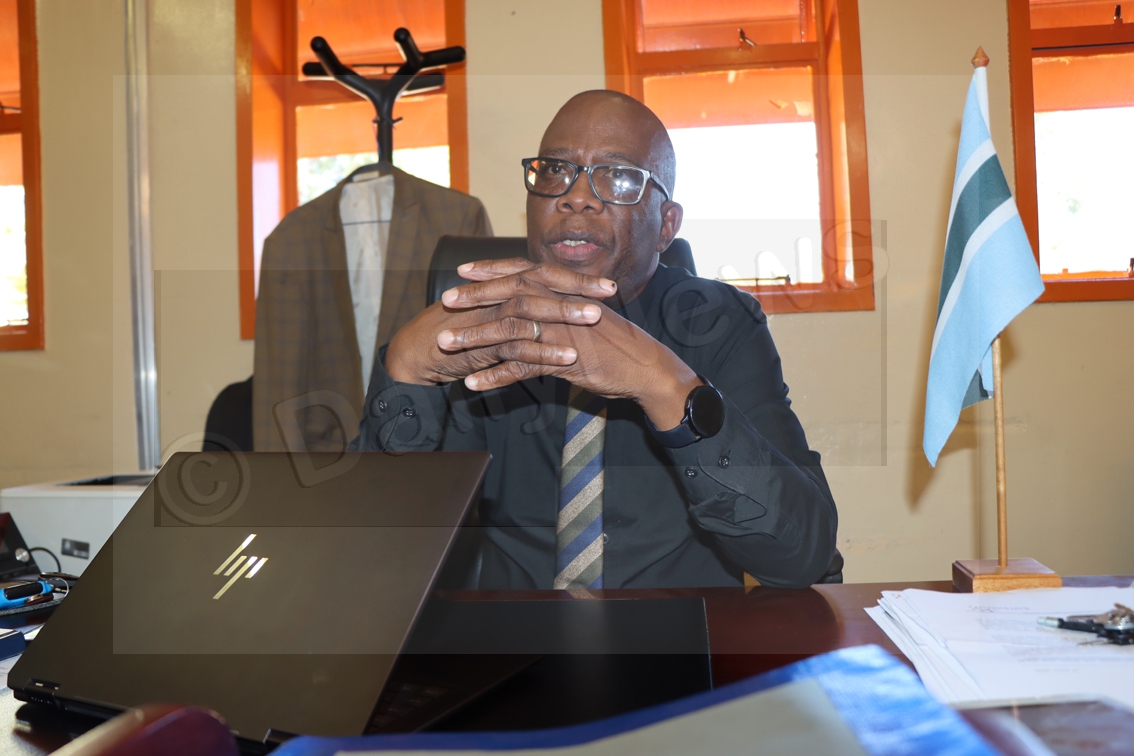
In an interview with the Integrated Support Programme for Arable Agriculture Development (ISPAAD) coordinator, Mr Lepodisi Telekelo said the figures were expected to increase as field measuring was on process but was of the view that the figures would not reach that of the previous cropping season.
Mr Telekelo said in the last cropping season the country experienced some good showers which resulted in a bumper harvest and said the present season has been characterised by prolonged dry spells and heat waves, noting that during the last cropping season 395 418 metric tonnes of which 54 per cent represented 215 000 metric tonnes of cereals whereas 180 418 metric tonnes was other crops.
The ISPAAD coordinator, said regarding the programme going forward his ministry was engaged in paying contractors, individual farmers and inputs suppliers who participated in the ploughing/planting season and farmers were as well advised to register with the extension officers in preparations for the coming cropping season.
He said tractor owners were also urged to secure proper farming implements like planters and service their tractors and said the ministry would also be organising training sessions for tractor owners and operators and all concerned were advised to participate in their respective areas.
On the regional comparison, that is north and south, Mr Telekelo said for the past years, the northern part of the country produced more as compared to the south and said this was mainly due to the good average rains received in the north as compared to the south.
Mr Telekelo said the good soils also contributed to the good yield in the north as well as the aspect of good management practices and the use of proper farming technologies.
The ISPAAD coordinator singled out Pandamatenga commercial farms which he said contributed significantly in terms of cereals needed by the country. ENDS
Source : BOPA
Author : Aubrey Maswabi
Location : GABORONE
Event : Interview
Date : 22 Feb 2015
Related News


06 May 2026
Countries forge diplomatic relations

06 May 2026
Botswana responds to Polio threat

06 May 2026
Kanye Brigade attracts more students
06 May 2026