


Council calls for payment of clinic registration fees
06 May 2026
Amid ongoing challenges in medicine availability at public health facilities, Kanye District Council is urging patients to pay registration fees during consultations to help supplement government efforts in procuring essential drugs and improving service delivery.
At the height of Botswana’s recent economic crisis, medicine availability at public facilities dropped as low as 17 per cent, triggering widespread shortages of essential medicines and medical supplies.
The situation worsened following a sharp decline in diamond revenues, which strained public finances, leading President Duma Boko to declare a national public health emergency on August 25, 2025.
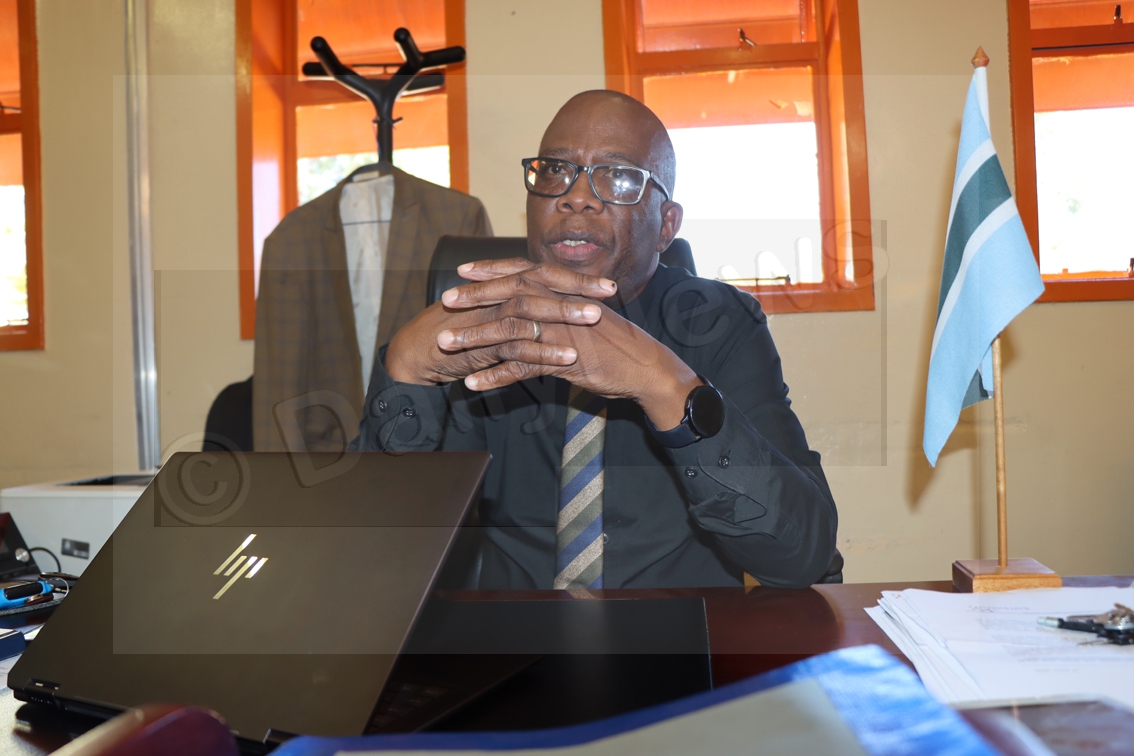
In a recent interview with BOPA, Deputy Council Secretary for Primary Health Care Services, Mr Conrad Ntsuape said medicine availability at local facilities has improved slightly in current quarter, ranging between 50 and 70 per cent. He noted that the previous quarter recorded a supply level of 64 per cent.
Mr Ntsuape explained that the shortage has severely affected treatment for common conditions, particularly the unavailability of paediatric syrups, leaving many parents struggling to manage childhood illnesses such as fever, infections, diarrhoea, and respiratory conditions.
He highlighted that non-communicable diseases (NCDs), including hypertension, diabetes, cancer, heart disease, and chronic respiratory conditions, account for one of the largest portions of government health expenditure.
“Patients with these conditions often require uninterrupted medication, as even short interruptions can lead to severe complications, hospital admissions, or life-threatening emergencies. Medicinal prices have surged dramatically, with procurement costs frequently five to ten times higher than normal due to global market pressures, supply chain disruptions, and emergency purchasing,” said Mr Ntsuape.
He added that district councils, including Kanye, were responsible for small-scale procurement of medicines and supplies below the P100 000 micro-procurement threshold.
However, he said many essential items; especially paediatric formulations, antibiotics, and NCD drugs exceed the limit in cost, forcing greater reliance on Central Medical Stores (CMS).
Mr Ntsuape noted that while some non-drug consumables such as syringes, bandages, and cotton wool have recently become more available, the shortage of actual medicines remains the core challenge.
As part of the transition to the new local government structure, the Council is gradually introducing revenue collection systems at health facilities.
Mr Ntsuape revealed that registration fees, which once contributed up to seven per cent of the health budget in 2007, have fallen to just one per cent in recent years.
To address this decline, Kanye District Council has set a target of collecting at least P20 000 annually from registration fees at health facilities.
Revenue offices have already been established at the Main Clinic, Sebego, Dada, Losabanyane and Kgwatlheng, with plans to extend the service to other facilities.
He reassured the public that exemptions and waivers were available for vulnerable groups, including children under five, pregnant women, the elderly, registered indigent persons, and other vulnerable individuals identified through social welfare assessments.
Mr Ntsuape said emergency cases will continue to receive immediate attention without prior payment, in line with national health policy.
Regarding fee structures, he said citizens were required to pay a nominal P5 registration fee, after which general consultations remain free.
He said referrals from private doctors attract a charge of P50. For non-citizens, consultation fees range from P15 to P80 depending on the cadre of health worker (nurse, doctor or specialist).
Mr Ntsuape said additional charges apply for services such as pap smears (P80), ANC registration (P86.20), scans (P256.20), deliveries, admissions and post-natal check-ups.
He encouraged patients to cooperate by paying promptly to avoid delays in non-emergency services.
Mr Ntsuape said the initiative forms part of broader national efforts to promote financial sustainability and accountability in Botswana’s public health system without compromising equitable access to care. ENDS
Source : BOPA
Author : Marvin Motlhabane
Location : Kanye
Event : Full Council Session
Date : 06 May 2026
Related News


09 Oct 2026
Duma Boko School prepares for January intake

09 Oct 2026
Botswana and Zimbabwe seal waste management deal

08 Oct 2026