CBNRM ideal for managing human-wildlife conflict
22 Feb 2015
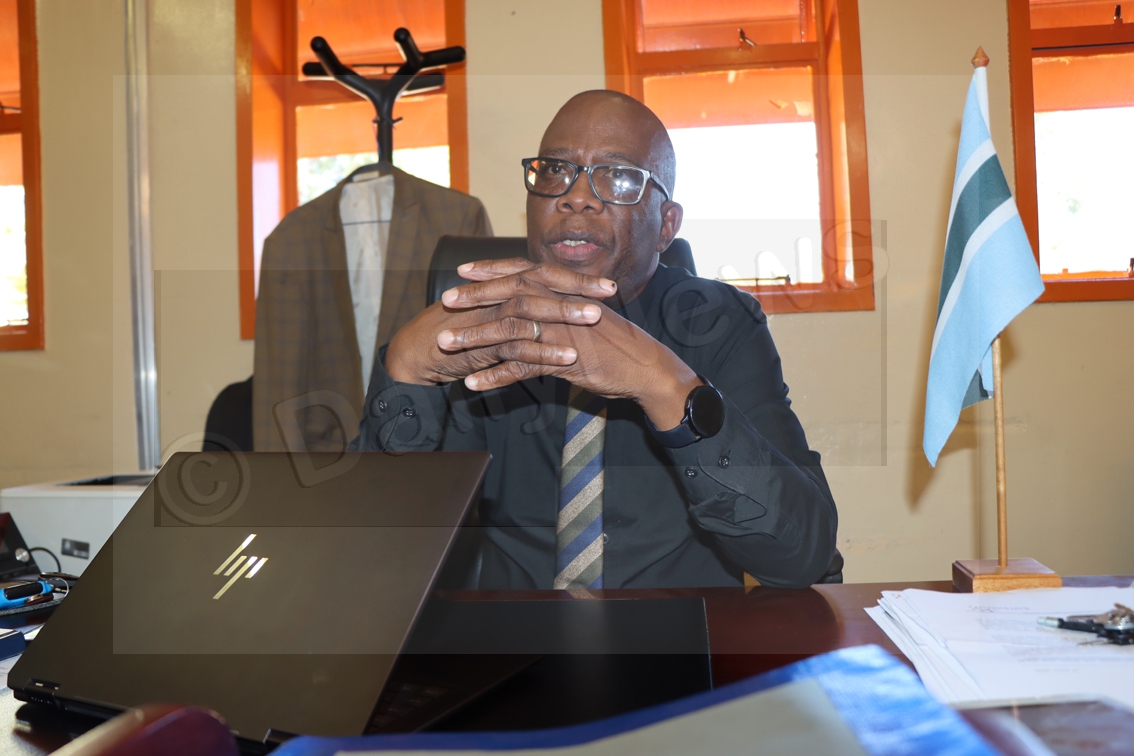
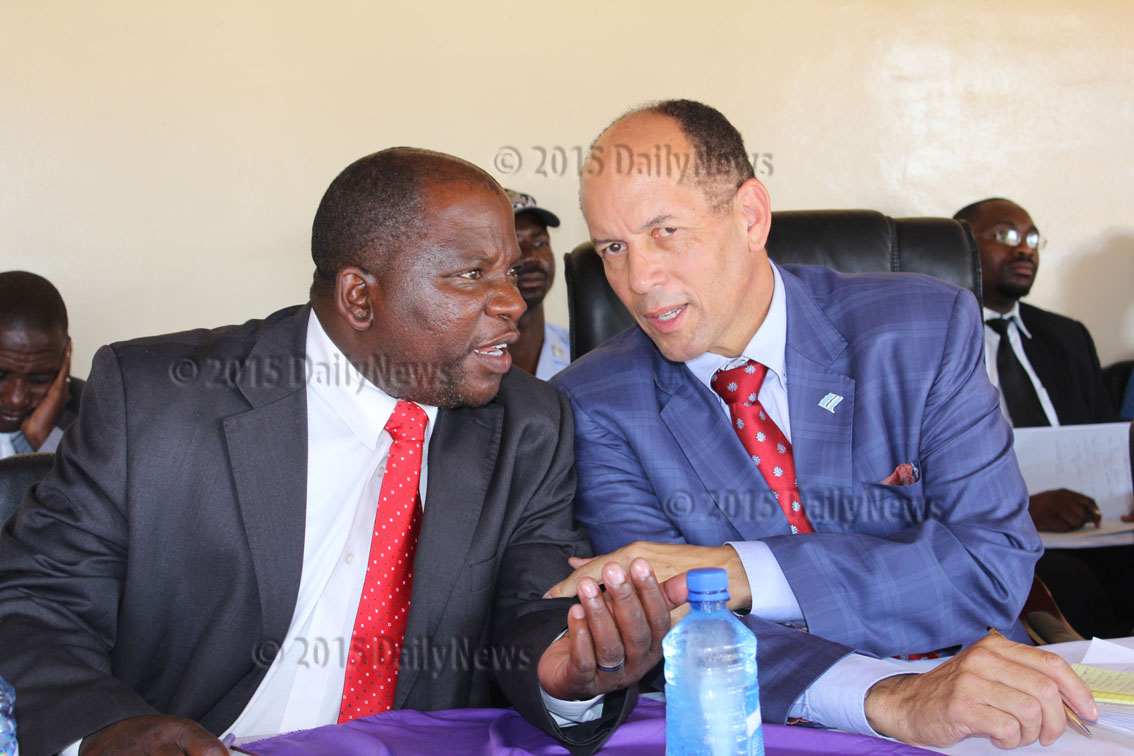
Minister of Environment, Wildlife and Tourism, Mr Tshekedi Khama has informed residents of Tshwaane and Takatokwane in the Letlhakeng sub-District to learn to co-exist with wild animals as the human-wildlife conflict can never be totally eliminated.
Addressing kgotla meetings in the two villages on Friday, February 20, Mr Khama said initiatives such as Community Based Natural Resource Management (CBNRM) have proved to be more effective in dealing with the conflict than eliminating animals.
He said because of the climate change, the environment has drastically changed and grazing areas have deteriorated, which then results in wild animals such as elephants migrating to otherwise unfamiliar territories, thereby increasing human-wildlife conflict.
He also said the Anti-Poaching Unit, which encompasses the problem animal control division has only about 160 officers countrywide. As a result, he said it was it was overwhelmed and may not always respond to reports fast as people would wish.
“We have however, been lucky as of recent the Ministry of Finance and Development Planning has approved some funds to employ around 100 more officers. Despite this shortage however, the Department of Wildlife and National Parks has proved to be the best performing in the region,” he said.
Mr Tshekedi also informed the residents that the population of wild animals such as wildebeest and springbok has shown a decline in recent years, which he said was one of the reasons that led government to impose a hunting ban.
He said such a decline in the population of wild animals has led to predators like lions feeding on domestic animals.
Mr Tshekedi also told residents that plans were underway to establish a trust in the area, which would hopefully assist in curbing the human-animal conflict.
The minister said in the past, government lost a lot of money putting in place fences to separate wildlife and farmers, as farmers normally cut the fences to allow their cattle free movement across grazing zones.
In his welcome remarks, Kgosi Othusitse Sengawane of Tshwaane said trouble animals such as lions were causing more havoc in his area than other villages.
He said the problem was exacerbated by lack of a fence between the Kutse Game Reserve and the cattle posts in the area.
Kgosi Sengawane therefore called on the minister to consider putting a fence to separate the two; something that he said would make it easier to trace such animals when the need arises. ENDS
Source : BOPA
Author : Olekantse Sennamose
Location : LETLHAKENG
Event : Kgotla meeting
Date : 22 Feb 2015
Related News

06 May 2026
Countries forge diplomatic relations

06 May 2026
Botswana responds to Polio threat

06 May 2026
Kanye Brigade attracts more students
06 May 2026