


Dept Culls Pets to Prevent Rabiess Spread
08 Apr 2026
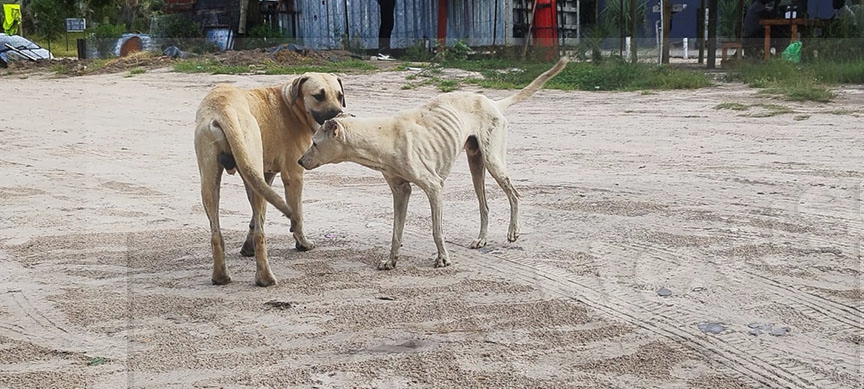
Following three recorded deaths linked to rabies disease, the Department of Veterinary Services has taken a decision to interrupt the rabies transmission chain by culling all pets roaming the streets in the North West district.
The department had been authorised by the North West District Council to carry out humane destruction of dogs and pigs roaming the streets. Authorisation has been granted for a period of a year subject to review as the exercise is intended to be carried out annually to manage pet population, eliminate human rabies and to promote responsible pet ownership among the general public.
Currently, the department has issued a public seven-day notice as the culling exercise is scheduled to commence on April 14.
Principal veterinary officer, Dr Bruce Mafonko reiterated that three deaths involving children had been recorded last month, adding that the decision to put down roaming dogs to manage public health risks and improve safety was meant to avert a repeat of the incidents.
Dr Mafonko said from January to date, about 16 positive rabies cases in dogs and seven incidents of dog bites had been recorded.
“We have been authorised by the local council to embark on the exercise following the rabies outbreak. The district has a high number of pets estimated at around 20 000 as compared to 15 000 recorded during the 2020 outbreak,” he explained, and added that pigs would be kept at Matimela kraals.
While the collaborative vaccination campaign continues with the support of private organisations, Dr Mafonko said so far, 6 937 dogs had been vaccinated, and he encouraged members of the community to bring their pets for vaccination at veterinary offices from Monday to Friday.
He said rabies was a concern that required all stakeholders to put more resources to control and contain it.
Community health nurse, Ms Cindrella Gaebowe from the North West District Council concurred that they anticipated more positive cases of rabies looking at the number of incidents of dogs biting people in the past months.
She said they had recorded 87 cases and three deaths, all linked to incidents of dog bites that occurred in February and March.
Ms Gaebowe said if a patient was symptomatic and diagnostic testing confirmed rabies, the disease was nearly always fatal, explaining that treatment was typically supportive, with the only effective treatment being post exposure prophylaxis within 24 hours and immediate wound cleaning with soap and water.
“This disease is spread by contact with infected saliva from a bite, and scratches of infested animals and dogs also carry rabies and are responsible for 97 per cent of human rabies and deaths worldwide,” she said.
To mitigate the situation locally, Ms Gaebowe said community mobilisation continued at health facilities citing that members of the community were advised to tether their dogs until veterinary officers come for assessment.
For his part, North West District Council chairperson, Mr Itumeleng Kelebetseng also expressed displeasure with the recorded deaths linked to rabies and attested that they had authorised the relevant authority to carry out humane destruction of dogs and pigs roaming the streets as they posed a danger to community members’ lives.
He said the authorisation was in accordance with Bye-Law 5 (3) and 7(2) of the North West District Council.
With respect to pigs, he said the operation would be conducted in line with the 2014 byelaw on the control of livestock and other animals, which requires that pigs be detained prior to destruction.
Mr Kelebetseng warned members of the public to vaccinate their pets and keep pigs outside the village as reports had indicated that the rabies outbreak was believed to threaten hundreds more due to close human-animal interaction and lack of awareness about rabies. ENDS
Source : BOPA
Author : Esther Mmolai
Location : Maun
Event : Interview
Date : 08 Apr 2026
Related News


10 Oct 2026
Feature Reliving the Long March 90 years on



09 Oct 2026