


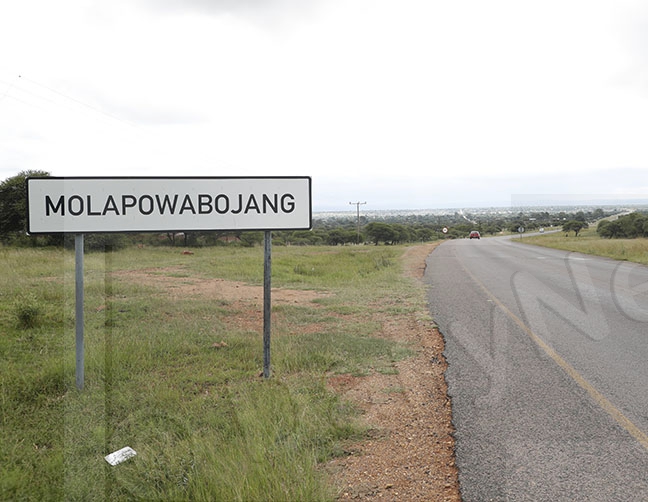
Molapowabojang Grounded In History And Culture
07 Apr 2026
Nestled along the banks of a quiet river, the Molapowabojang stands as a place where history, culture, and resilience meet.
Its name reflects a landscape once rich with lush motshikhiri grass that lined the riverbanks, an image that continues to define the village’s identity.
The story of this village stretches back over a century, with its origins dating back to 1914, when it was first established by the Letshabo family from Kanye.
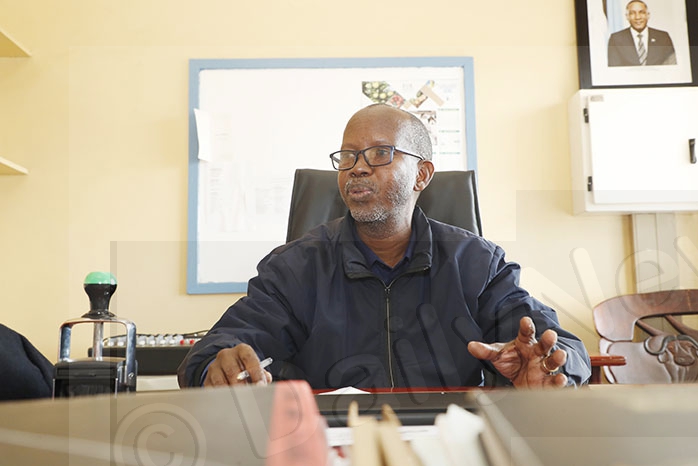
According to Kgosi Kedirile Letshabo of Molapowabojang, the village came into being when Kgosi Seepapitso III sent a delegation led by Pitso Letshabo to oversee the border between Lobatse and GaNgwaketse, marking the beginning of what would become a vibrant community.
Letshabo was accompanied by his young son, Mpapalela, as age had begun to take its toll on him.
A small group, including Pitsonyane, Ratsoma, Kekopakgomo, and Kebakuile, joined the initial party, each contributing to the foundation of this emerging settlement. Mpapalela and Kebakuile would later retrace their steps to Kanye.
The village was later officially gazetted in 1950 by Kgosi Bathoen II, marking a key milestone in its development.
Today, Molapowabojang is home to about 8 772 residents, with the population rising to over 10 000 when surrounding settlements are included.
At the centre of village life remains the kgotla, a symbol of tradition and community dialogue.
Over the years, the village has seen significant progress.
It boasts two primary schools, a junior secondary school, a clinic, a police post, and social and community development office, key institutions that support daily life.
However, beneath these achievements lies a growing call for development.
Kgosi Letshabo highlighted mounting pressure on infrastructure due to the increasing population.
He stressed the urgent need to upgrade the local clinic into a fully equipped maternity facility to better serve expectant mothers.
He also raised concern over rising petty crime, including burglaries and purse snatching, linking the trend to youth unemployment and limited opportunities for those who struggle academically.
He emphasised the need to upgrade the police post to improve security.
Another challenge, he noted, is the shifting of constituencies, from Mmathethe/Molapowabojang to Kanye East, which he likened to a ‘game of jump rope’.
This instability, he said, has slowed development efforts and made it difficult for the village to receive consistent support.
Despite these challenges, Molapowabojang remains a village rich in cultural heritage.
It once hosted the iconic Splash Music Festival, an event that drew crowds from across the country and cemented its place in Botswana’s entertainment history.
The village is also remembered for figures such as Mma Enoch, a renowned traditional paediatrician whose services in the 1980s attracted people nationwide.
As Molapowabojang marks over 112 years of existence, its story is one of endurance and hope. While development gaps remain, the community continues to look ahead with determination, calling for the investment and support needed to unlock its full potential. ENDS
Source : BOPA
Author : Nindililo Gaoswediwe
Location : Gaborone
Event : Interview
Date : 07 Apr 2026
Related News

10 Oct 2026
Feature Reliving the Long March 90 years on
09 Oct 2026