Childrens Parliament helps promote rights democracy
20 Nov 2022
Government should enact the establishment of children’s parliament in an effort to promote children’s rights and equip them with the concept of democracy, civilisation and parliamentary processes.
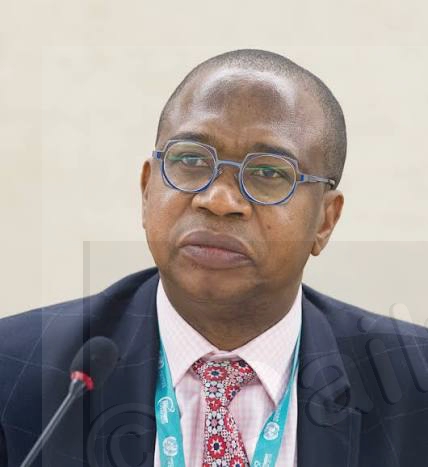
Chairperson of Botswana National Children Consultative Forum, Ms Unaludo Isaacs said in an interview prior to the resumption of the UNICEF World Children’s Day commemoration in Zambia on Saturday.
“The time is ripe for government to upgrade from the current children consultative forum and supplant it with the children’s parliament to provide the right platform for advocacy of among other things, children’s rights, health and education as well as children’s inclusivity in governance,” she said.
The children’s parliament, she said, would provide children with a platform to actualise their potentials, realise their rights and actively contribute in the country’s democratic process.
She said it had been noticed over time that children themselves rarely got the opportunity to share their views, thoughts, desires, likes, dislikes, and their opinions on things they believed to be pivotal to their development.
“A lack of communication between adults and children and a lack of acceptance of children in the decision-making processes have hindered the development of their health, their education, and their ability to make their own choices,” she said.
The children’s parliament, she said, through its many activities, would equip children with multiple skills and platform through which they could make their voices heard.
As a result, she said children would be freer in their opinions, and their thoughts since they would as a group share their common concerns, debate over them and arrive at plausible solutions which could be shared with the legislators to make a difference on issue relating to Children’s Act of 2009.
She cautioned that children often experienced peer difficulties that could result in the need for additional, systematic and intensive social skill coaching.
Ms Isaacs thus encouraged schools to establish peer groups in the absence of Children’s parliament.
The peer groups, she said, could establish positive peer relationships that would make critical contributions to healthy social and emotional development.
She noted that being part of a peer group would enable children to build their confidence and approach other children and adults with suggestions on how to better their conditions and prospects.
With regard to the Children’s Act of 2009, Ms Isaacs said there was need for legislators to review the Act and transform it to be more child friendly and appealing to children to read and relate to.
“It is equally of great importance for the Children’s Act to be amended not only context wise, but also, the layout and design should be more child friendly and colourful with pictorial illustration to attract children to read it,” she said.
The Act, she said should also be translated to different languages spoken in Botswana to cater for all children.
World Children’s Day is a global day of action for children, by children, marking the adoption of the UN Convention on the Rights of the Child (UNCRC) on 20 November 1989.
Every day UNICEF is working globally to reimagine a future for children where every child’s right to health, education and protection is upheld.
This year’s sub regional commemoration was attended by over 500 children from Botswana, Zimbabwe and Zambia under the theme ‘A Better Future for Every Child.’ Ends
Source : BOPA
Author : Thato Mosinyi
Location : LUSAKA
Event : Interview
Date : 20 Nov 2022
Related News
01 Aug 2026