


Boro residents welcome arrival of floods
13 Jun 2022
Residents of Boro and nearby settlements situated in the Okavango Delta will today converge at the boat station commonly known as ‘DRC station’ to witness the arrival of the flood water as it passes the area to feed Thamalakane River in Maun.
The event organised by Okavango Kopano Mokoro Community Trust (OKMCT) is expected to attract polers, elders and other stakeholders who will have an opportunity to share indigenous knowledge about the river floods, river channels, heritage and the significance of the floods on the livelihood of the local communities.
The floods originate from Angola highlands and enter Botswana at Mohembo and normally reach Boro and Maun mid-June.
OKMCT manager, Mr Seikaneng Moepedi told BOPA that they organised the event because the floods brought life to the communities.
The delta and the river, he said were a lifeline for communities living in areas along its water channels and a source of food and employment hence the excitement when the water made it there.
He said the trust was committed to promoting heritage and propel the story of the local communities hence the event.
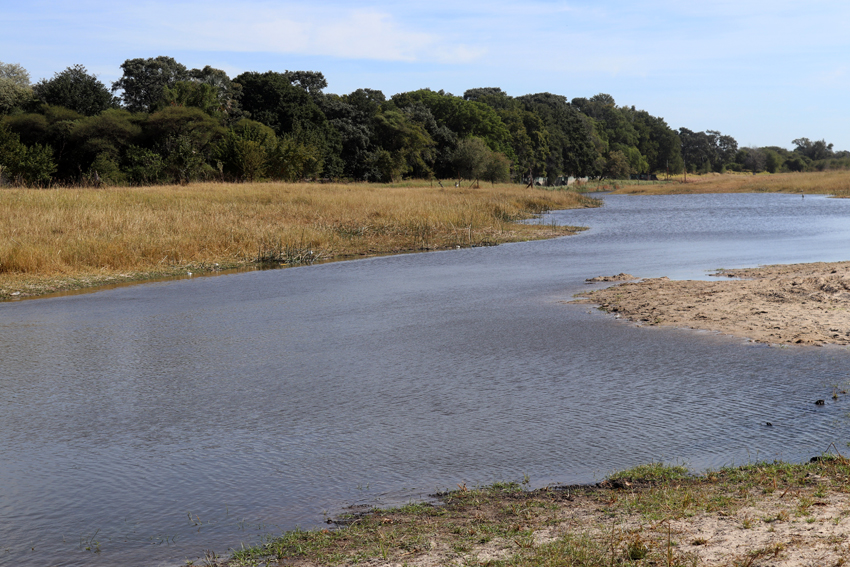
Currently the floods have been spotted some few kilometres before Boro and it is believed would reach the area today.
Although, large levels are not expected, the arrival of the floods are a cause for celebrations and signify life for those who depend of the floods to earn a living.
“For the trust, the arrival of the floods means a lot as we run a business of transporting tourists who want to explore the delta using traditional canoe,” he said.
The trust operates five mokoro stations, one in Boro 2 and when they dry up, life becomes a challenge for the community.
What is unique about the floods is that as the water fills through to the lagoons, rivers and grassy plains, the delta becomes a hive of activity.
Herds of difference species of wildlife gather, multitudes of birds and insects fill the skies as the plains come to life while hippos battle over prime breeding territories.The floods also create a beautiful wetland, making the period the best time to visit the delta.
Meanwhile, Thamalakane River has already received water flows from Gomoti River along the Shorobe channel before Boro flows. Gomoti River is a major outflow channel of the eastern Okavango Delta and reports indicate that it rarely flows these days.
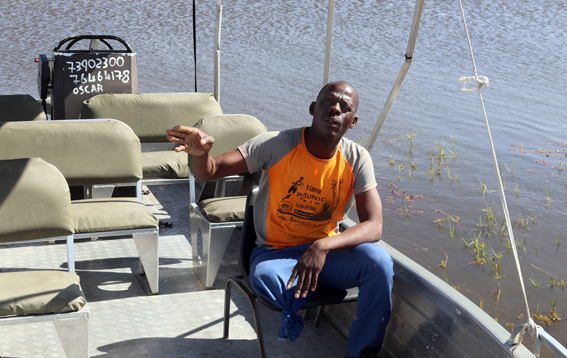
Those familiar with the history of the river were actually shocked, saying normally Boro water floods arrived first and the Gomoti flows would push the water forward to other channels.One of the seasoned boat operators who is also a professional guide, Mr Oscar Boleme explained that the flows from Gomiti arrived beginning of April, something he said shocked some members of the community as they normally received the inflows from Boro channel first.
Although the inflows received are not heavy, they have brought life to those who make a living out of the river. “We are expecting business to boom as most of us depend on activities such as boat cruising, and fishing among others to earn a living,” he added.
Mr Boleme operates a boat at an area commonly known as ‘Matlapana beach’ but because the river had dried up, he relocated to a place where Boro and Gomoti rivers confluence before feeding the Thamalakane River.
Matlapana deputy chief, Kgosi Kebatho Kesekile confirmed the arrival of some inflows from Gomoti River which he said was a result of the heavy rains experienced in the delta.
With better water volumes expected this time compared to last year and especially that the river had already received some inflows from Gomiti, Kgosi Kesekile was uncertainty on whether the flows would last long and reach Lake Ngami considering that water from Mohembo was moving at a snail’s pace into Boro and Thamalakane rivers.
Normally, he said, the floods reached Maun around May.
In a recent interview an expert from Okavango Research Institute, Dr Mike Murray-Hudson explained that floods were highly dynamic as no flood was the same as the other.
Change in flooding in the delta, he said resulted from either variation in hydrological inputs or change in distribution of water within the system. He said with this year’s floods, they anticipated the inflows to last longer as good rains were experienced in the eastern side of the delta.
Comparing this year’s floods to the previous year, he said the difference was slim and there was uncertainty on whether they would reach Lake Ngami.
The lake depends mostly on spills from Kunyere River and rarely from Thamalakane River which joins at Toteng but, Dr Murray-Hudson appreciated that inflows would not be disastrous as compared to the one experienced in 2019. ENDS
Source : BOPA
Author : Esther Mmolai
Location : Esther Mmolai
Event : MAUN
Date : 13 Jun 2022
Related News

16 Oct 2026
Documentary Iowa Across the Pacific

16 Oct 2026
The lensman takes final breath

15 Oct 2026
Rev. Ramaribana breaks glass ceiling

15 Oct 2026
Botswana open for business
15 Oct 2026